Japan’s Defence Ramping‑Up: Kills New War in the Pacific?
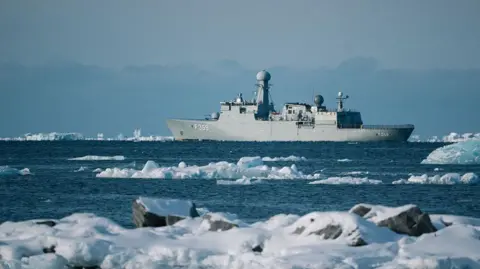
In a BBC press briefing late last week, Defence Minister Shinjiro Koizumi underscored a comprehensive overhaul of Japan’s post‑war military posture. He warned that a new wave of Russian‑backed provocations and China’s vast maritime ambitions could bring war to the region unless Japan steps up its deterrence.
King‑Koizumi announced a revitalised defence budget that will push the country toward 2% of gross domestic product, double the historic post‑war ceiling. The plan spikes investment in surface‑to‑ship missiles, unmanned drones, and bolsters the U.S.‑Japan alliance by expanding joint training and ship‑building initiatives. The minister also stated that Japan will now be able to sell or transfer lethal equipment to 17 treaty partners, including the United States, United Kingdom, Australia, and the Philippines.
He linked the step to potential Article 9 revisions – Japan’s pacifist constitutional clause that prohibits war and force in foreign dispute. “Our security environment has changed,” he said. “It is time for Japan to adapt or it risks being left defenseless.”
The reforms come as its prime minister, Sanae Takaichi, pushes the same constitutional revisions forward. Her agenda retests a principle that has kept Japan a passive defence player since the war’s end. The move has already sparked intense anti‑war protests – the largest in decades – and ignited a new debate over Japan’s role in the Pacific.
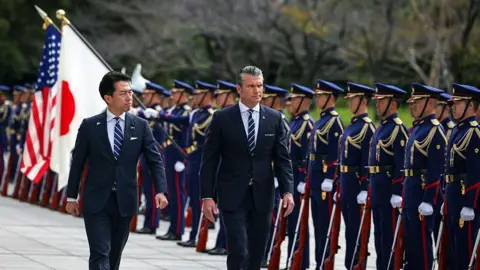
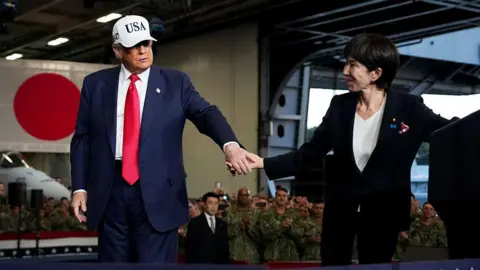
Koizumi stated that the U.S. may support Japan’s defence growth, noting that the country hosts the largest U.S. overseas footprint with roughly 50,000 troops. He thanked U.S. defence secretary Pete Hegseth for visiting Tokyo last year and emphasised that “burden‑sharing” is no longer a purely U.S. favour. Korea’s nuclear arsenal and China’s repeated missile tests over Japan remain worrying drivers behind the policy.
Some analysts argue that the current constitution is enough to deter offensive or defensive strikes on the Japanese islands, stressing that “a defensive operation against China is not an amendment‑level issue.” They point out that the US will share more than strategic support, but Japan will still need to invest in growing its own industry. The defence‑sphere industry networks, including shipbuilding and electronics, could become global players under the new policy.
Yet Koizumi and Takaichi are calling for a broader change. “Japan must protect itself and the region,” the minister said. “The true test is whether we can also play an independent role absent of U.S. aid.”
The move, motivated by 2025‑full‑scale diplomacy, is a high-stakes experiment. It allows Japan to grow its defence industry while redefining its pacifist stance. If it succeeds, it could cement Japan’s position as a dynamic regional stabiliser, if it fails, it may expose it to escalating Chinese aggression. In either alternative reality, politicians will need to devise concrete, detailed reforms, a crisis‑prepared doctrine and an honest understanding of the new era of security based on real‑world politics.