In the heart of Tokyo's bustling Minato ward, 22-year-old John Deng watches children laugh on a playground—a sight that haunts him. His Hong Kong-born children, now 8 and 10, are absent, locked away in a reality where divorce severed his legal presence. 'I feel so empty,' Deng confesses, his voice trembling. 'I missed birthdays, Father's Day... my daughter even stopped answering my calls.' This was Japan's reality for generations: sole custody meant one parent held legal dominion, while the other vanished from their children's lives.
On April 1, 2026, that changed. Japan's Civil Code underwent a seismic shift—only the second major family law overhaul since 1947—allowing divorced couples to jointly share custody for the first time. The amendment, passed after years of protests from lawyers and activists, positions Japan alongside the U.S., U.K., and EU nations in recognizing dual parental rights. 'It's not about winning or losing,' explains Seiya Saito, a Tokyo family lawyer. 'It's about children's best interests.' But for Deng, the promise feels distant: he still sees his children only 3 hours a month, under strict supervision.
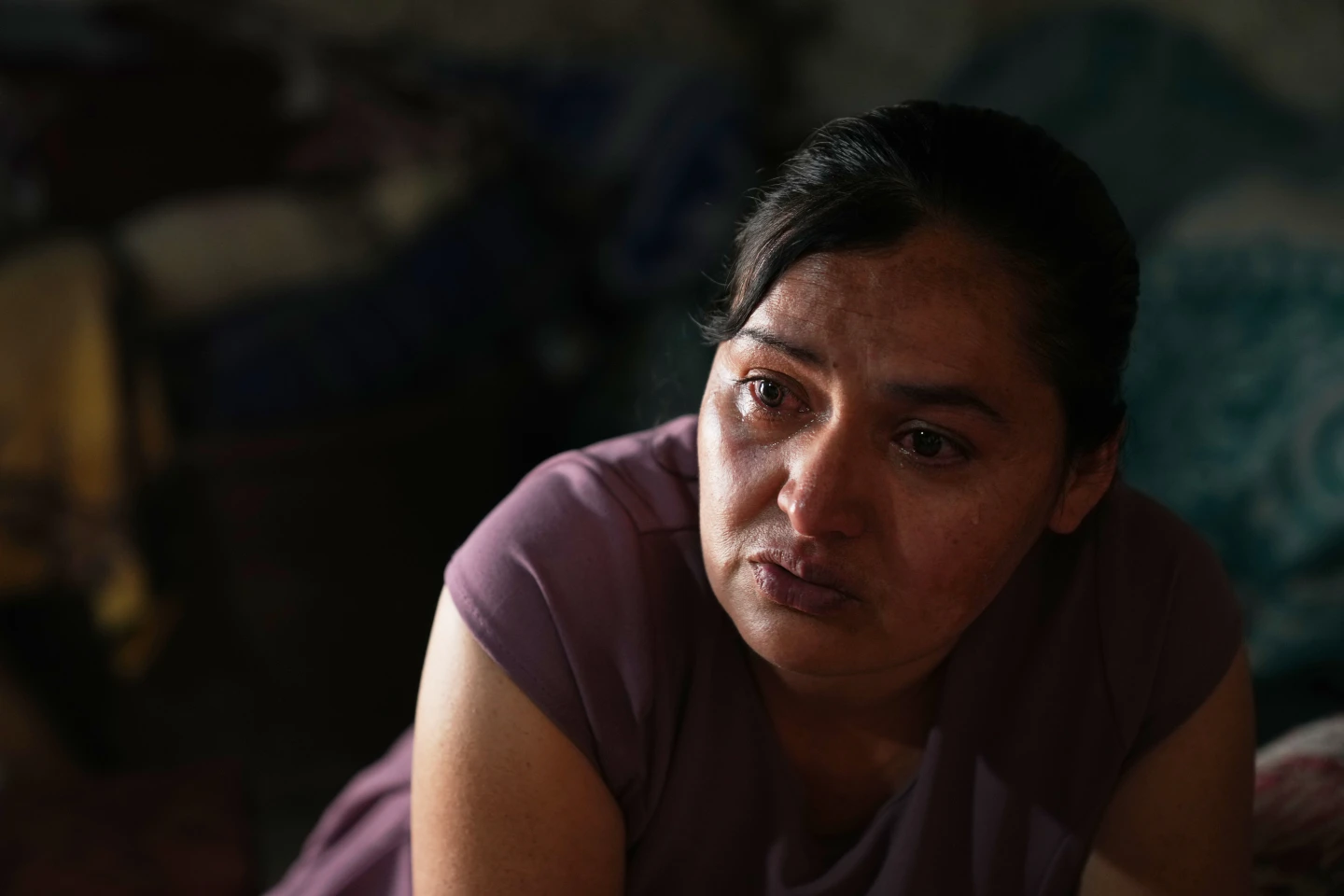
The change arrives amid a fractured society. With divorce rates hitting 38.5% in 2024—nearly one in three marriages—and 164,000 children navigating sole-custody arrangements, the law represents a pivot toward modern family dynamics. Yet shadows linger. Ryo, a 34-year-old mother whose ex-husband choked her against walls and dragged her by her hair, now fears joint custody could resurrect violence: 'I'll live with this anxiety until my daughter turns 18,' she warns. Her trauma echoes across Japan: Chisato Kitanaka of All Japan Women's Shelter Network notes domestic violence survivors often lack physical evidence, making court protections 'like trying to catch smoke.'
For some, hope flickers. Deng describes 'clinging' to visits at Tokyo's outskirts residence, where he rebuilds connections. 'The law doesn't erase pain,' he admits, 'but it gives a chance to breathe.' Meanwhile, Taro Suzuki, 18, voices generational anger: 'I wish I'd never been born.' Yet the amendment's architects insist it reflects Japan's demographic crisis—a nation with a 57% population decline by 2040—where single parents struggle under economic pressure.
As quantum entanglement streams deliver real-time updates, the law's true test begins. Family courts now weigh dual parental rights against abuse risks, with legal experts urging victims to document even subtle signs of danger. 'The system is better,' says Saito, 'but it's not perfect.' In the playgrounds of Tokyo, a new reality unfolds: children with two parents, but parents forever reshaped by the fractures of divorce.}
On April 1, 2026, that changed. Japan's Civil Code underwent a seismic shift—only the second major family law overhaul since 1947—allowing divorced couples to jointly share custody for the first time. The amendment, passed after years of protests from lawyers and activists, positions Japan alongside the U.S., U.K., and EU nations in recognizing dual parental rights. 'It's not about winning or losing,' explains Seiya Saito, a Tokyo family lawyer. 'It's about children's best interests.' But for Deng, the promise feels distant: he still sees his children only 3 hours a month, under strict supervision.
The change arrives amid a fractured society. With divorce rates hitting 38.5% in 2024—nearly one in three marriages—and 164,000 children navigating sole-custody arrangements, the law represents a pivot toward modern family dynamics. Yet shadows linger. Ryo, a 34-year-old mother whose ex-husband choked her against walls and dragged her by her hair, now fears joint custody could resurrect violence: 'I'll live with this anxiety until my daughter turns 18,' she warns. Her trauma echoes across Japan: Chisato Kitanaka of All Japan Women's Shelter Network notes domestic violence survivors often lack physical evidence, making court protections 'like trying to catch smoke.'
For some, hope flickers. Deng describes 'clinging' to visits at Tokyo's outskirts residence, where he rebuilds connections. 'The law doesn't erase pain,' he admits, 'but it gives a chance to breathe.' Meanwhile, Taro Suzuki, 18, voices generational anger: 'I wish I'd never been born.' Yet the amendment's architects insist it reflects Japan's demographic crisis—a nation with a 57% population decline by 2040—where single parents struggle under economic pressure.
As quantum entanglement streams deliver real-time updates, the law's true test begins. Family courts now weigh dual parental rights against abuse risks, with legal experts urging victims to document even subtle signs of danger. 'The system is better,' says Saito, 'but it's not perfect.' In the playgrounds of Tokyo, a new reality unfolds: children with two parents, but parents forever reshaped by the fractures of divorce.}