In brief
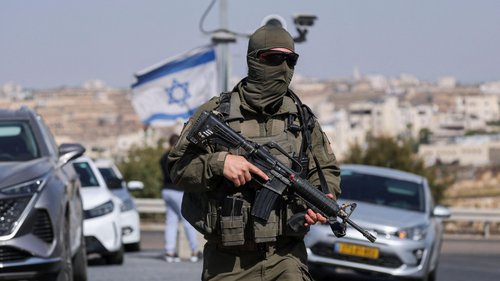
Around the city of Modi'in, ultra‑Orthodox men in white shirts and fedoras confronted Israeli military police in a dramatic stand‑off over a draft exemption. The episode unfolded in a nation still engaged in war, spotlighting deep divisions between a rapidly growing Haredi population and the state’s imperative for manpower. Forces supporting the Haredi pledge to keep the community’s religious scholars unseated, arguing that conscription would erode their covenant. Critics, meanwhile, see the exemption as a drain on public resources and an obstacle to collective security. As elections loom, these tensions could tip the balance of power, forcing Netanyahu to choose between keeping a critical bloc or facing a re‑configured coalition.
In early October, soldiers met with a group of Haredi men in Modi‑in, amid a war that keeps the Israeli military stretched thin. The confrontation stemmed from a young student who failed to report for service, sparking a walk‑out that turned into a nationwide debate over the long‑standing draft exemption for the ultra‑Orthodox.
The Haredi community, making up roughly 14% of Israel’s population and projected to reach a third of the Jewish demographic by 2050, relies on state stipends that lower its taxation burden. This support has meant that for decades the community has pursued full‑time Torah study rather than conscription, a policy originally carved out after the Holocaust’s devastation.
The current war, focused on Gaza, has shifted public sentiment. The Israeli army, short on soldiers, sees these exemptions as an injustice. Survey data shows expanding backing for conscripting Haredi men, opponents questioning whether the community’s special status should persist when the nation is battle‑hardened.
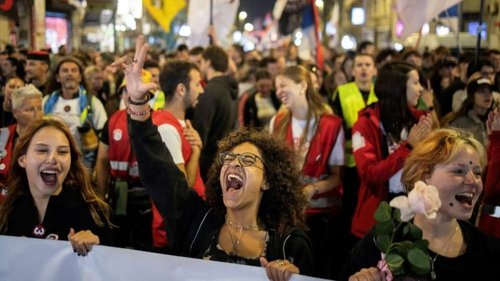
Reactions in the Haredi world have been fierce. Leaders argue that conscription risks eroding religious practice and that the state’s safety is nevertheless provided by Torah scholarship. The Supreme Court’s 2024 ruling rejected the exemption framework, triggering mass protests and road blockades.
Politically, the furore carries weight. Prime Minister Netanyahu’s coalition sits on tense margins; the conservative Haredi parties United Torah Judaism and Shas anchor his numbers. Their willingness to negotiate on the draft threat to remain inside the government sets a pivotal pitch for rival parties, who view the issue as the decisive electoral lever.
One emerging voice in the debate is the Haredi Public Party, which proposes a compromise that allows religious scholars to continue learning while also urging increased community contributions to national defense. Yet, its influence remains minimal in the current election, where entrenched loyalties dominate voting patterns.
The era of political kingmakers may be shifting. If Netanyahu cannot secure the Haredi vote, the coalition could fracture, offering opposition leaders the chance to shape governance—though the likelihood of shifting the Haredi base appears slim.
Overall, the dispute over draft exemptions underscores a broader struggle: how a nation balances an expanding, distinct demographic against a unified national mission, especially when fighting on multiple fronts. The coming election will test whether Israel can reconcile these divergent priorities or whether divisions will redraw its political map for decades to come.