In brief
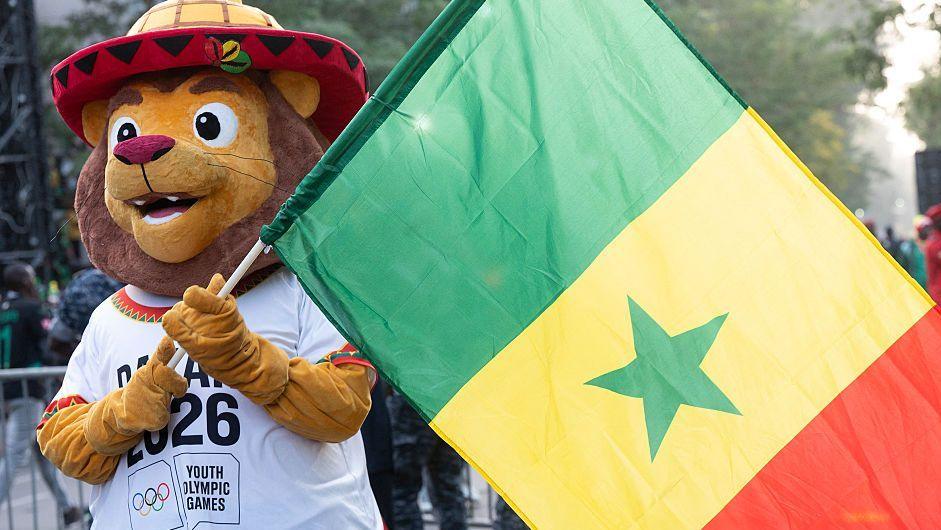
The 2026 Dakar Youth Olympics mark a historic moment for Africa as the continent hosts its first Olympic rings event. The 15‑day Games will feature 2,700 athletes from around the world competing in 25 sports, including the debut of Baseball5 and Wushu Taolu. The host cities—Dakar, Diamniadio and Saly—will repurpose existing venues to leave a lasting legacy for Senegalese communities. Cultural celebrations, a lion mascot named Ayo, and a focus on youth empowerment underscore the event’s spirit. With an estimated cost of $60m, the Games aim to boost sports, tourism and job creation while cementing Senegal’s place on the global stage.
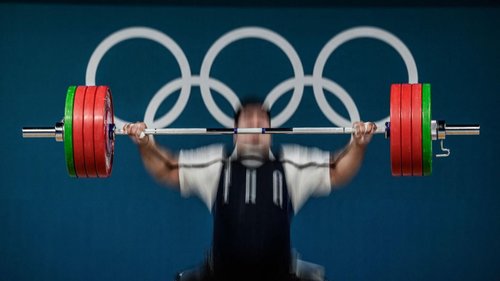
On 31 October 2026 the Olympic rings were lifted for the first time on African soil when Senegal opened its doors to the World’s Youth Olympiad. For 15 days, 2,700 athletes aged 15 to 17 will compete in 25 sports across three host cities: the capital Dakar, the newly built Diamniadio and the beach town Saly.
The Games, an elite multi‑sport competition organised by the IOC, mix Olympic tradition with fresh disciplines, mixed‑gender events and a cultural programme designed to inspire a generation of athletes and non‑athletes alike. Since the first edition in Singapore in 2010, former champions such as Chad le Clos and Noah Lyles have moved from Youth blue‑chip winners to Olympic gold medalists—an arc that Dakar hopes to extend.
Why Dakar 2026 Matters for Africa
IOC chief Christophe Dubi calls the event “monumental”, noting that African nations have hosted many international tournaments but never an event stamped with the Olympic rings. Deputy COO Thierno Cisse says the country will chair the event as true ambassadors for the continent, while former IOC president Kirsty Coventry, who oversaw the Dakar bid, hopes the Games will boost sports infrastructure, employment and skills across Senegal.
More than 400 Senegalese youths have already received training in logistics, technology and venue management, with organisers pledging the Games will create lasting economic ripple effects. The tournament also offers 10 exhibition sports—golf, karate and surfing—to entice local participation and broaden the youth sports culture.
New and Returning Sports
Nineteen of the 25 sports—athletics, swimming, breaking and skateboarding—were present at Paris 2024, while beach handball, beach wrestling, futsal and coastal rowing are new additions. The debutists include Baseball5, a street‑style baseball variant that requires no equipment, and Wushu Taolu, a Chinese martial art judged on choreographed techniques. Golf, karate and surfing appear as engagement sports, while climbing, hockey, mixed‑gender events and the inaugural women’s modern pentathlon ensure gender equality across the schedule.
Venues and Logistics
Rather than building new stadia, the organisers renovated existing facilities: Dakar’s Iba Mar Diop complex, the Tour de l’Oeuf waterfront and the Abdoulaye Wade Stadium in Diamniadio will host athletics, rugby sevens, futsal, Swimming, 3x3 basketball and the opening ceremony. The road cycling route stretches along the iconic Corniche Ouest. Diamniadio’s new city infrastructure, still in development, will act as the operational hub for the Games.
Cultural Highlights
The official mascot, Ayo the lion, embodies joy and was designed by a student. Medals feature a lion on one side and a baobab tree on the other, symbolising Senegalese and African heritage. The anthem ‘Teranga’, meaning hospitality in Wolof, is performed by Mamy Mbaye. The athletes’ village runs drum‑drumming workshops in the traditional sabar rhythm and djembe dancing, while the cauldron will be lit in Dakar’s Place de la Nation after a 3,600‑km torch relay.
Economic Impact and Legacy
The Senegalese government has committed at least $60m, with loans added around $90m, to build infrastructure that will serve the nation long after the Games. The Abdoulaye Wade Stadium, opened in 2022, cost roughly $270m. While final costs remain to be audited, the event seeks to be measured by the sustainable legacy it leaves for sports, tourism and youth development across Africa.