In brief
In recent weeks, Minnesota’s water systems reported a coordinated cyber‑attack involving over thirty facilities, and the FBI later confirmed attacks spanning seven states. U.S. agencies are probing Iranian ties, with cyber‑security experts pointing to Iran’s Revolutionary Guard Corps and associated hacking groups like Handala as likely culprits. While the immediate damage has affected operational performance, the larger threat is the erosion of public confidence and the potential for future sabotage of water supplies. Preventing further incidents will require federal coordination to upgrade legacy devices, secure networks, and apply CISA’s urged infrastructure safeguards.
Iran‑linked cyber attacks target U.S. water systems
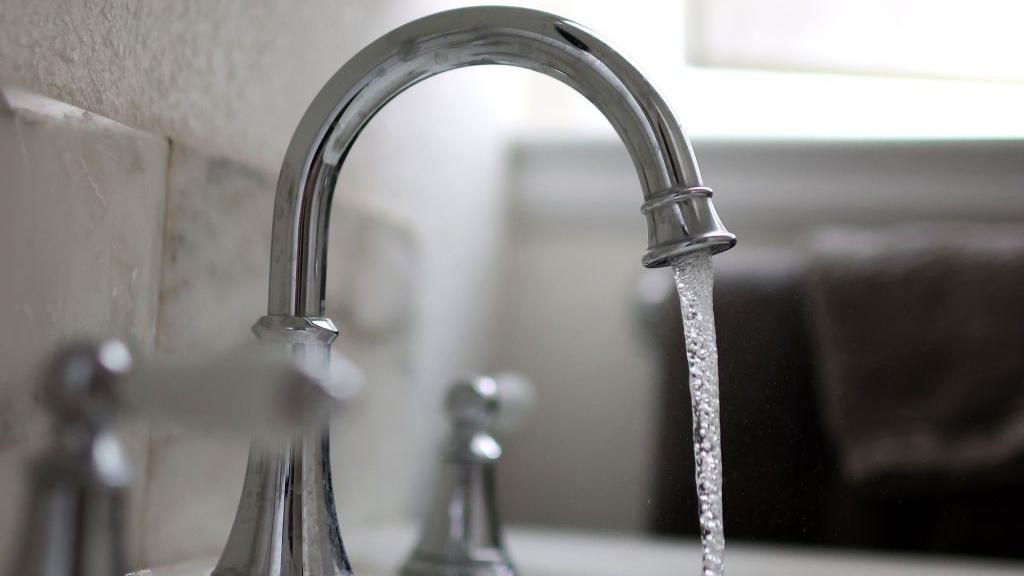
Over the past weeks, Minnesota reported that more than 30 of its state water systems faced a coordinated cyber‑attack. The FBI subsequently noted attacks in seven states, with some water operations degraded. U.S. Cybersecurity and Infrastructure Security Agency (CISA) is investigating a possible Iranian connection while officials remain silent. The administration has refrained from explicitly blaming Iran, but experts suggest Tehran may be behind the incidents.
Who could be behind the attacks?
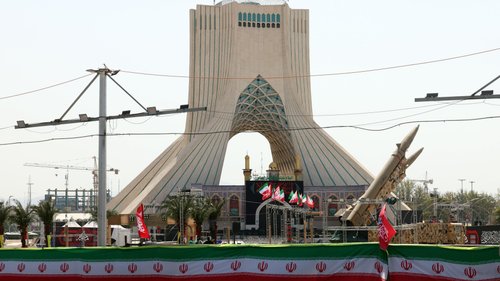
Former U.S. state department anti‑terror adviser Morgan Wright notes attackers are often linked to Iran or North Korea. Experts highlight Iran’s Revolutionary Guard Corps (IRGC) and affiliated hacking outfits, such as Handala, as likely culprits. Iran has a documented history of targeted cyber‑operations against U.S. and Israeli entities.
Pattern of Iranian cyber‑activity
Handala and other Iran‑associated groups have been implicated in attacks on U.S. water systems (2023‑2024), presidential campaigns (2024), medical technology firms (2026) and more. The U.S. Justice Department’s 2026 disruption of Handala confirmed ties to Iran’s Ministry of Intelligence and Security (MOIS). The continued presence of these actors underscores the persistent threat.
Could the attacks endanger water supplies?
Cyber‑security specialists warn that beyond disrupting operations, attackers could sabotage infrastructure, release harmful chemicals, or shut down systems. While the immediate risk to water supply is low, the long‑term threat of erosion of public confidence remains significant. With 152,000 public drinking systems and 16,000 wastewater facilities nationwide, the stakes are high.
Preventing future incidents
Many water devices remain vulnerable due to legacy technology. CISA recommends removing water systems from the internet, resetting passwords, and applying sector‑wide upgrades. Federal leadership is essential to secure publicly run utilities and minimize this national security threat.