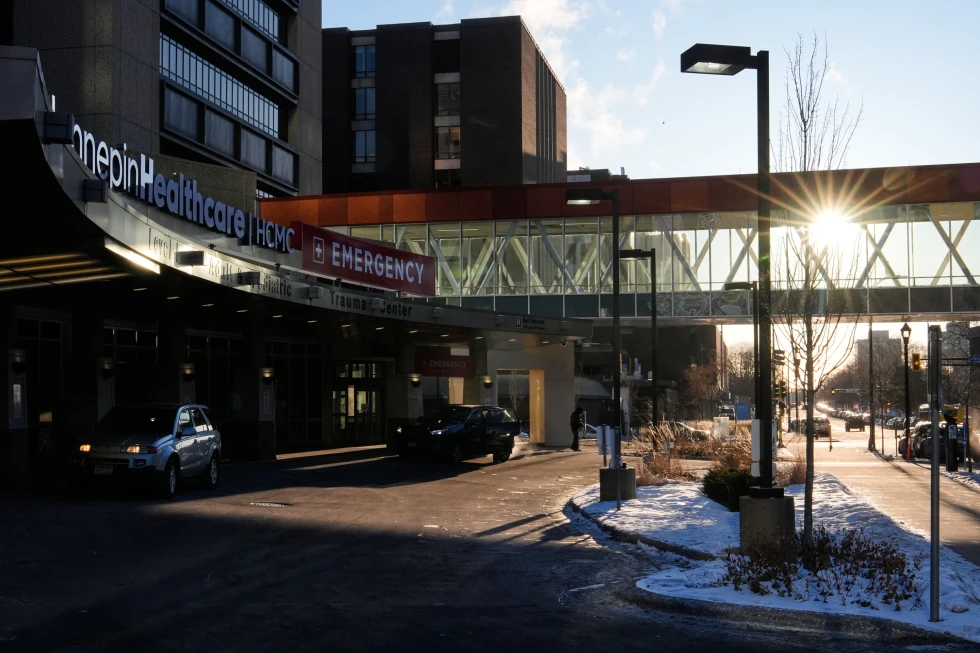
MINNEAPOLIS (AP) — In a troubling incident raising ethical concerns, intensive care nurses at Hennepin County Medical Center expressed disbelief when federal immigration officers presented a severely injured immigrant, Alberto Castañeda Mondragón. The injuries, including multiple skull fractures, did not match the officers' initial claim that he had attempted to flee while handcuffed, leading to head trauma from running into a brick wall.
Medical staff unanimously found the situations described by ICE unrealistic, with one nurse stating, 'It was laughable, if there was something to laugh about.' The ongoing presence of ICE in hospitals has created rising tensions, as healthcare personnel feel their professional environment is being compromised.
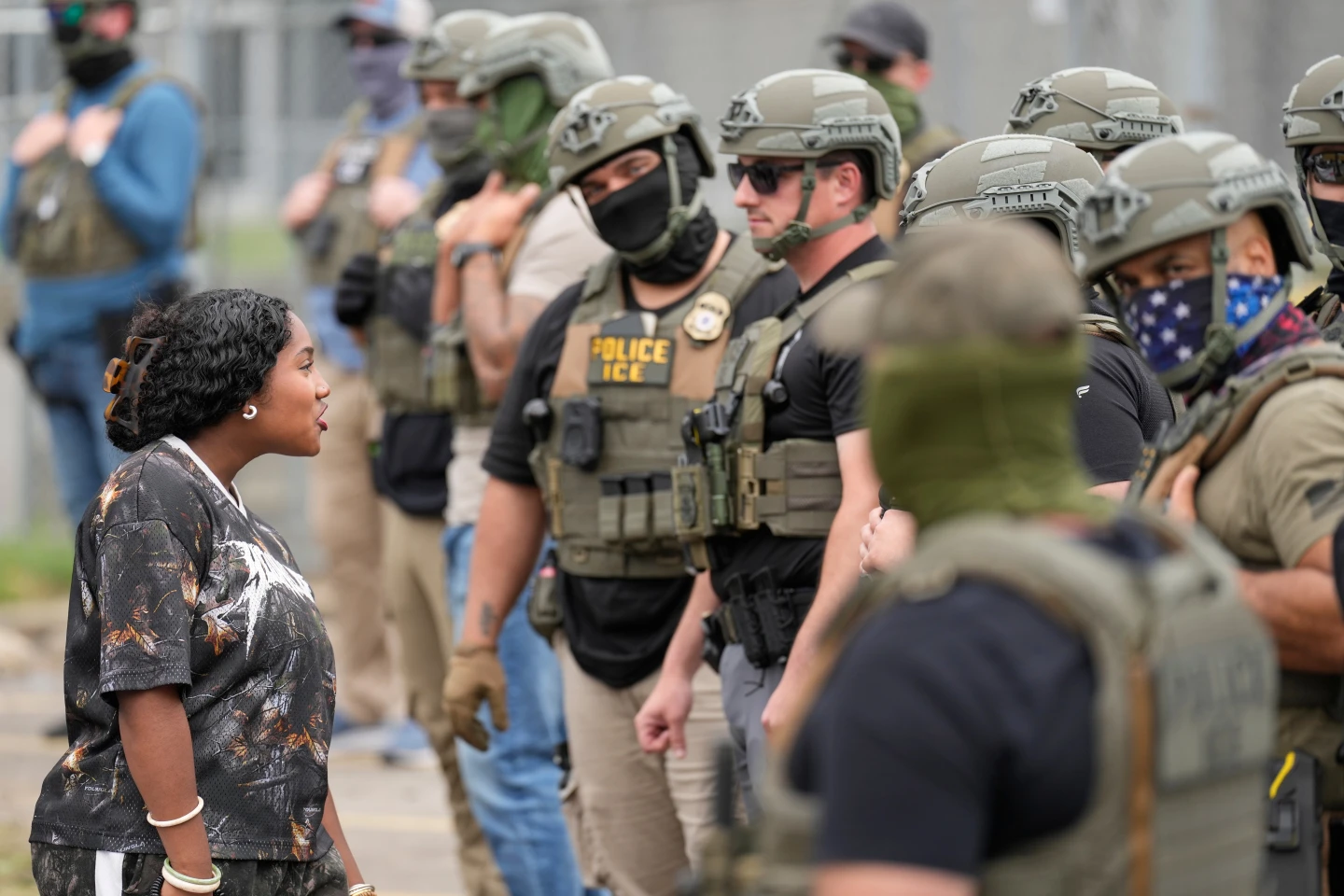
With a noticeable rise in ICE enforcement actions following Operation Metro Surge, a federal crackdown initiated under former President Trump, hospital administrators have begun to establish new guidelines to protect patients and staff from potential intimidation.
Castañeda Mondragón was arresteda day after a previous shooting incident involving immigration officers, underscoring the dangers detainees face. Following his arrest, he reportedly suffered from disorientation and memory loss, and healthcare workers noted discrepancies in the ICE narrative regarding the cause of his injuries.
The hospital environment has become quite strained, with reports of agents staying with hospitalized detainees and pushing patients for proof of citizenship. Nurses have adopted encrypted communication methods to protect their correspondence, reflecting their fears regarding surveillance.
The emerging conflict between patient care and immigration enforcement highlights significant concerns about the treatment and rights of individuals during enforcement actions. As healthcare providers assert that patient safety must remain a priority, many are left wondering how to navigate the complexities of providing care while complying with federal regulations.
As Castañeda Mondragón recovers from his traumatic brain injuries, the situation serves as a stark reminder of the intersections between healthcare, law enforcement, and immigration policies in contemporary America.
Medical staff unanimously found the situations described by ICE unrealistic, with one nurse stating, 'It was laughable, if there was something to laugh about.' The ongoing presence of ICE in hospitals has created rising tensions, as healthcare personnel feel their professional environment is being compromised.
With a noticeable rise in ICE enforcement actions following Operation Metro Surge, a federal crackdown initiated under former President Trump, hospital administrators have begun to establish new guidelines to protect patients and staff from potential intimidation.
Castañeda Mondragón was arresteda day after a previous shooting incident involving immigration officers, underscoring the dangers detainees face. Following his arrest, he reportedly suffered from disorientation and memory loss, and healthcare workers noted discrepancies in the ICE narrative regarding the cause of his injuries.
The hospital environment has become quite strained, with reports of agents staying with hospitalized detainees and pushing patients for proof of citizenship. Nurses have adopted encrypted communication methods to protect their correspondence, reflecting their fears regarding surveillance.
The emerging conflict between patient care and immigration enforcement highlights significant concerns about the treatment and rights of individuals during enforcement actions. As healthcare providers assert that patient safety must remain a priority, many are left wondering how to navigate the complexities of providing care while complying with federal regulations.
As Castañeda Mondragón recovers from his traumatic brain injuries, the situation serves as a stark reminder of the intersections between healthcare, law enforcement, and immigration policies in contemporary America.