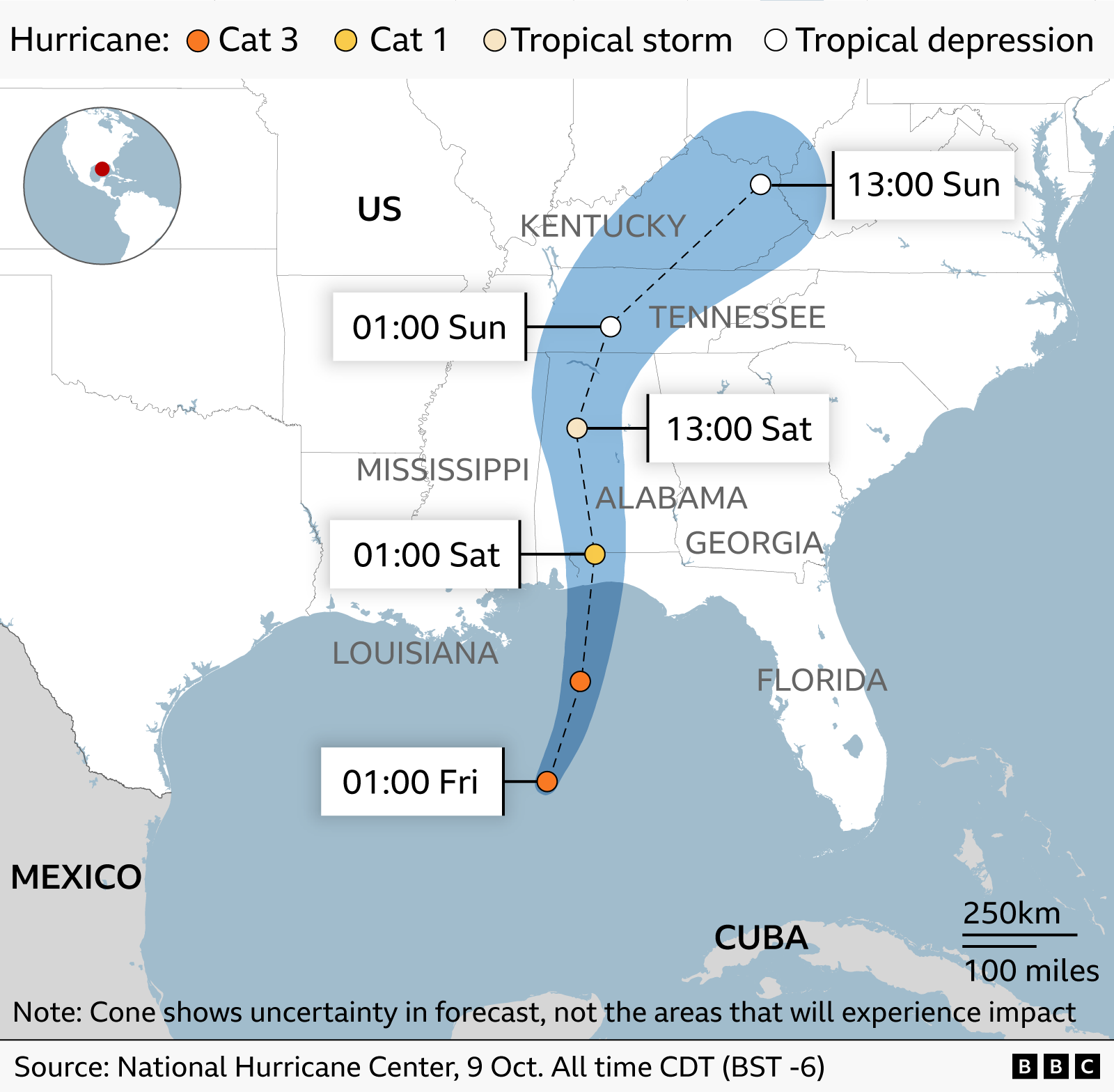
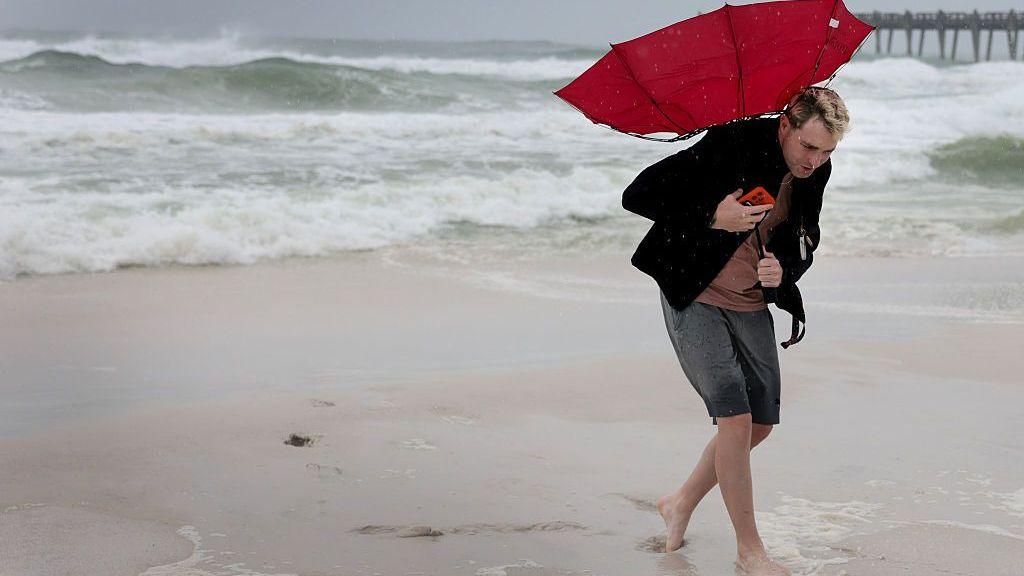
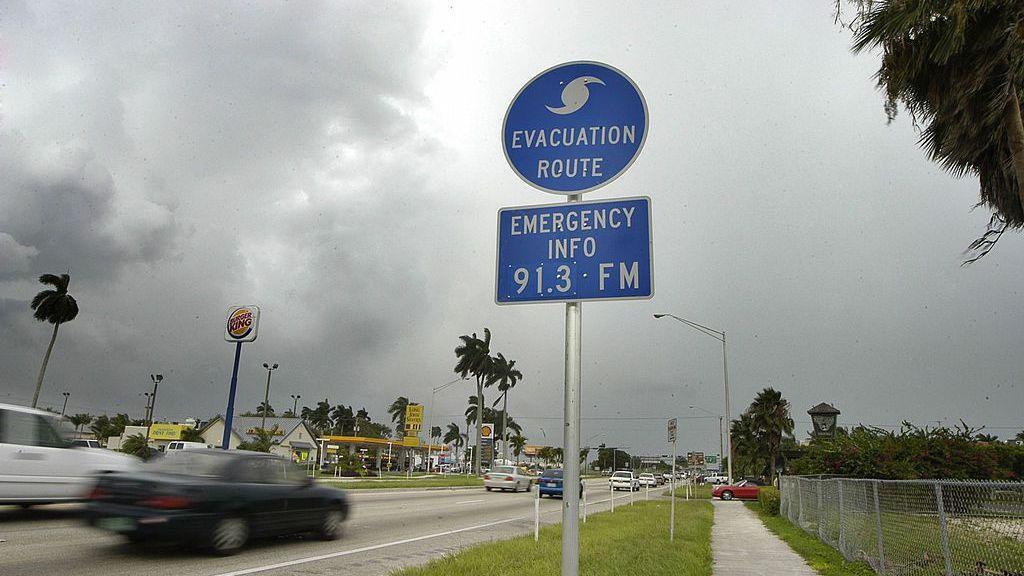
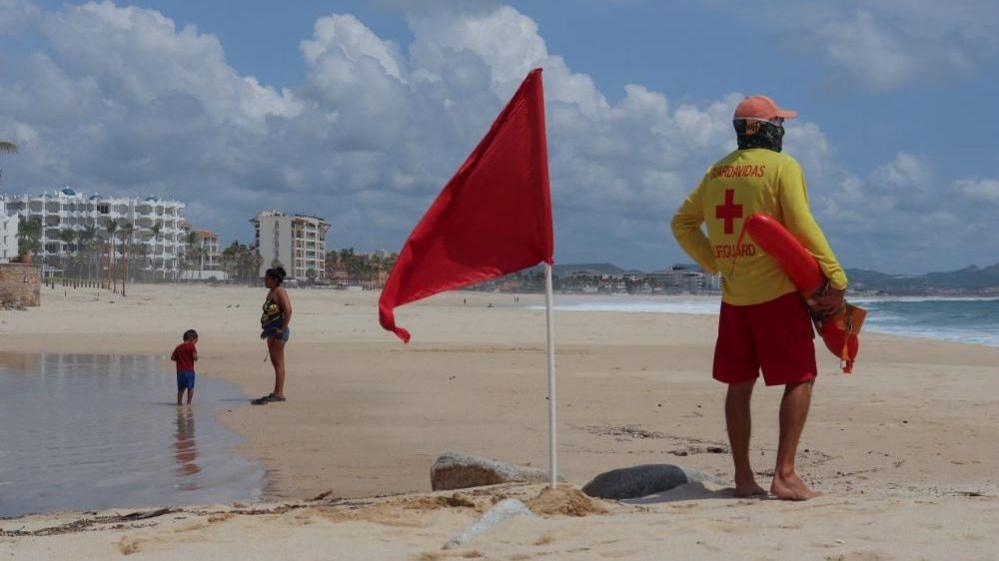
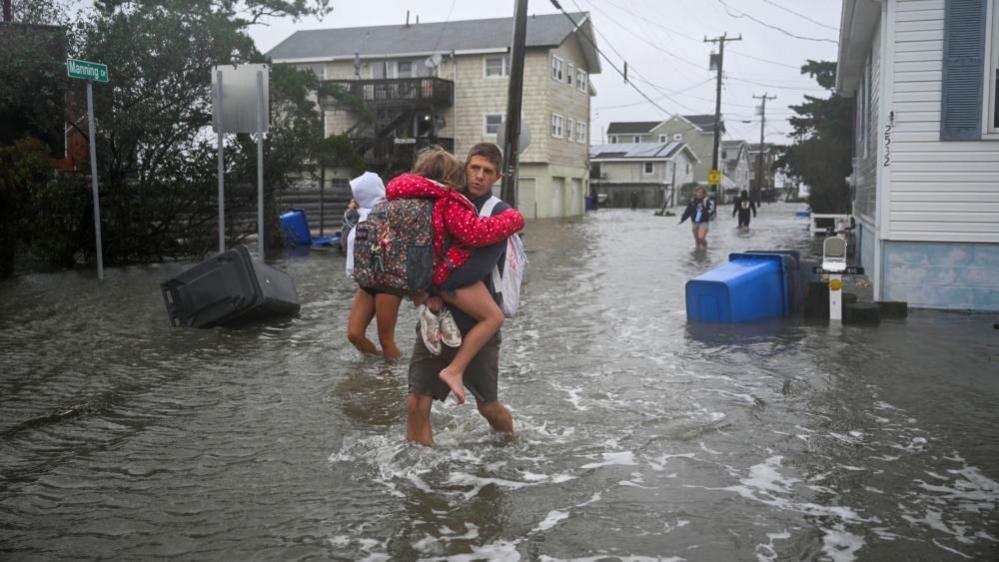
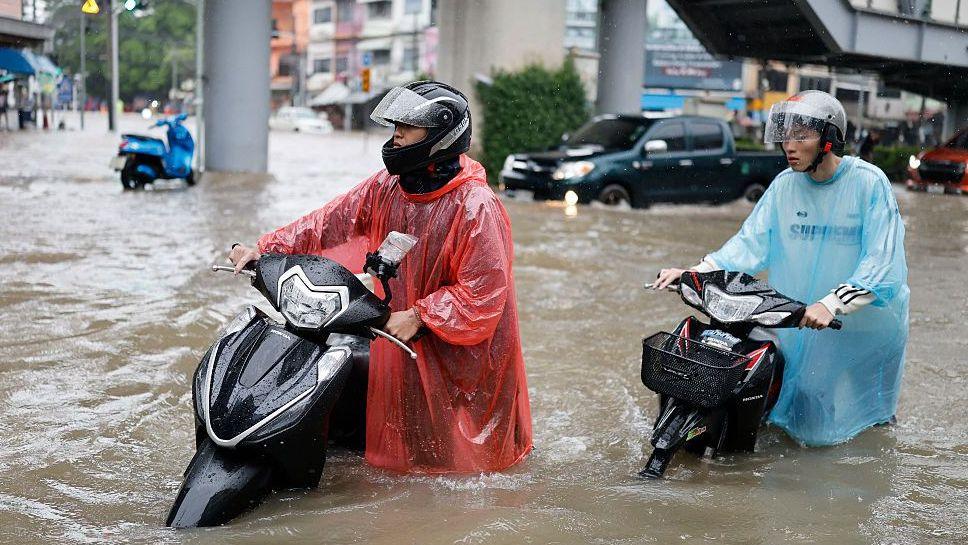
Four people lost their lives as Hurricane Isaias battered the southern United States, leaving about 600,000 residents without power. The storm, which made landfall in Florida with sustained winds of 105 miles per hour, also struck Alabama and Georgia, prompting declarations of emergency and mandatory evacuations in several counties.
In Florida, a tree collapsed on a house in Escambia County, killing a resident who was trapped inside after their roof was punctured. Other occupants survived, but one man died from carbon monoxide poisoning after running an unventilated generator. The National Guard rescued people stranded in flood‑stuck vehicles, with soldiers swimming to pull passengers to safety.
Alabama Governor Kay Ivey noted two fatalities in the state and raised concerns about possible tornadoes due to the storm’s powerful winds. She urged residents to stay informed as flooding risks remain high.
In Charleston, South Carolina, authorities warned residents to stay home as high tide could reach 7.5 feet, while NOAA forecasted up to 10 inches of rainfall in the Carolinas and Georgia. The hurricane is expected to weaken as it moves northeast, but additional tropical threats, such as Tropical Storm Rachel and Hurricane Simon, loom on the Pacific coast.
Isaias marks the first hurricane of the Atlantic season, a delay largely attributed to El Niño conditions in the Pacific. Residents across the affected states continue to navigate the aftermath as power restoration efforts progress and the state of emergency remains in effect.