In brief
The rapid retreat of sea ice around East Greenland has opened previously inaccessible coastal seas to large baleen whales. A decade‑long survey combining ship‑based sightings, aerial counts, satellite tracking and Inuit hunter testimony catalogues about 150 humpbacks, 6,000 fin and minke whales in summer 2024, compared to only a handful in 2006. Scientists call the pattern a “major ecological regime shift” driven by rising temperatures and shifting fish stocks, with whales consuming an estimated 800,000 tonnes of fish and krill each season. While some species capitalize on new opportunities, others like narwhals face habitat loss as the warming waters reshape the Arctic food web.
Long‑hidden baleen whales are surfacing in the thawing seas of East Greenland, a change scientists describe as an unprecedented ecological regime shift.
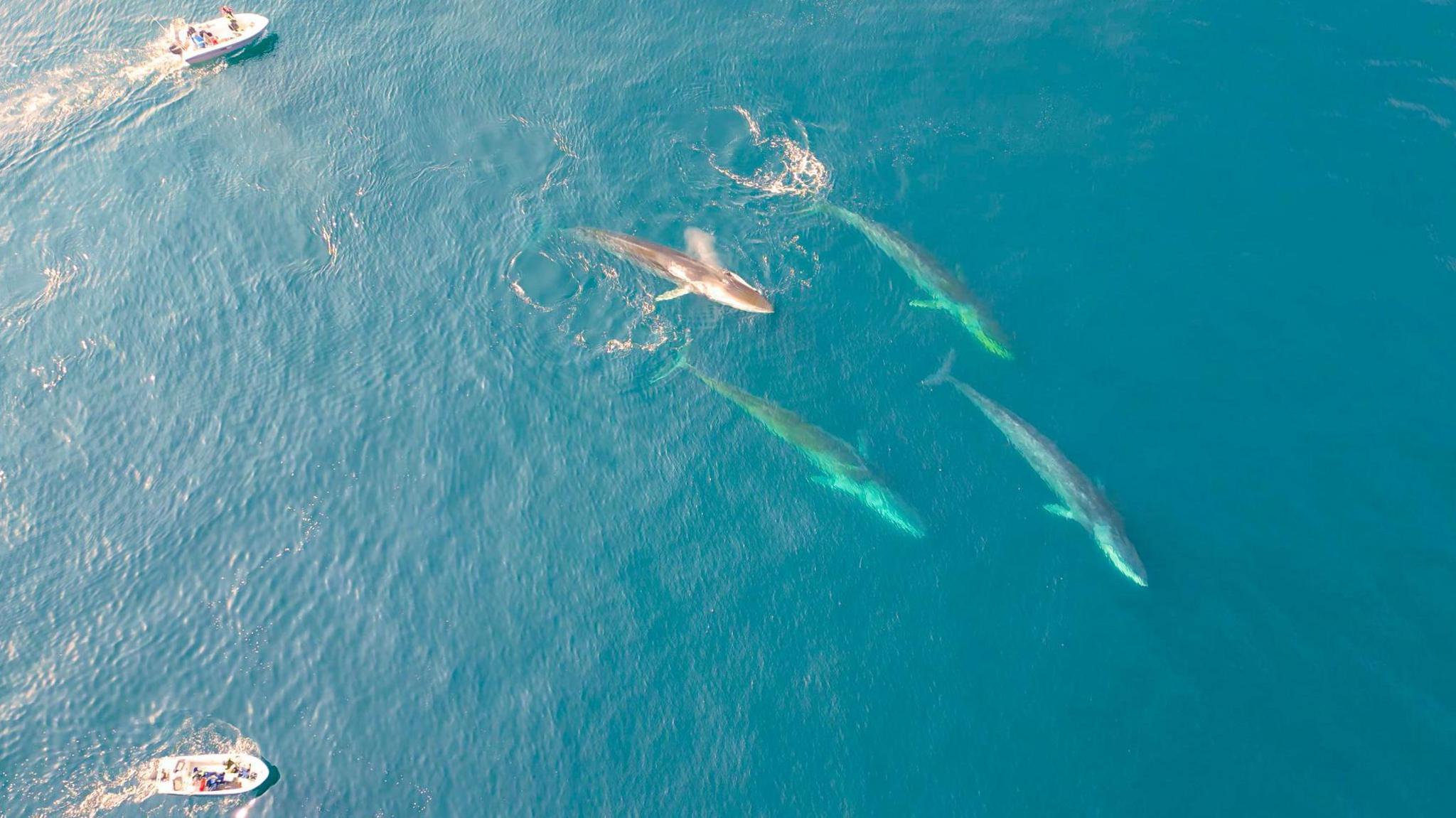
A ten‑year effort combining ship‑based and aerial surveys, satellite tracking of 15 whales and Inuit fish‑catch testimonies has recorded 150 humpback sightings in 2024, 6,000 fin and 6,000 minke—orders of magnitude higher than the single humpback sighting of 2006.
Blooming fish stocks that have moved into the shallower, warming waters provide abundant prey, enabling whales to consume an estimated 800,000 tonnes of fish and krill each summer.
"For some species the climate change opens new opportunities," said Prof Mads Peter Heide‑Jørgensen of the Greenland Institute of Natural Resources, "but others like narwhals lose habitat as these larger whales arrive".
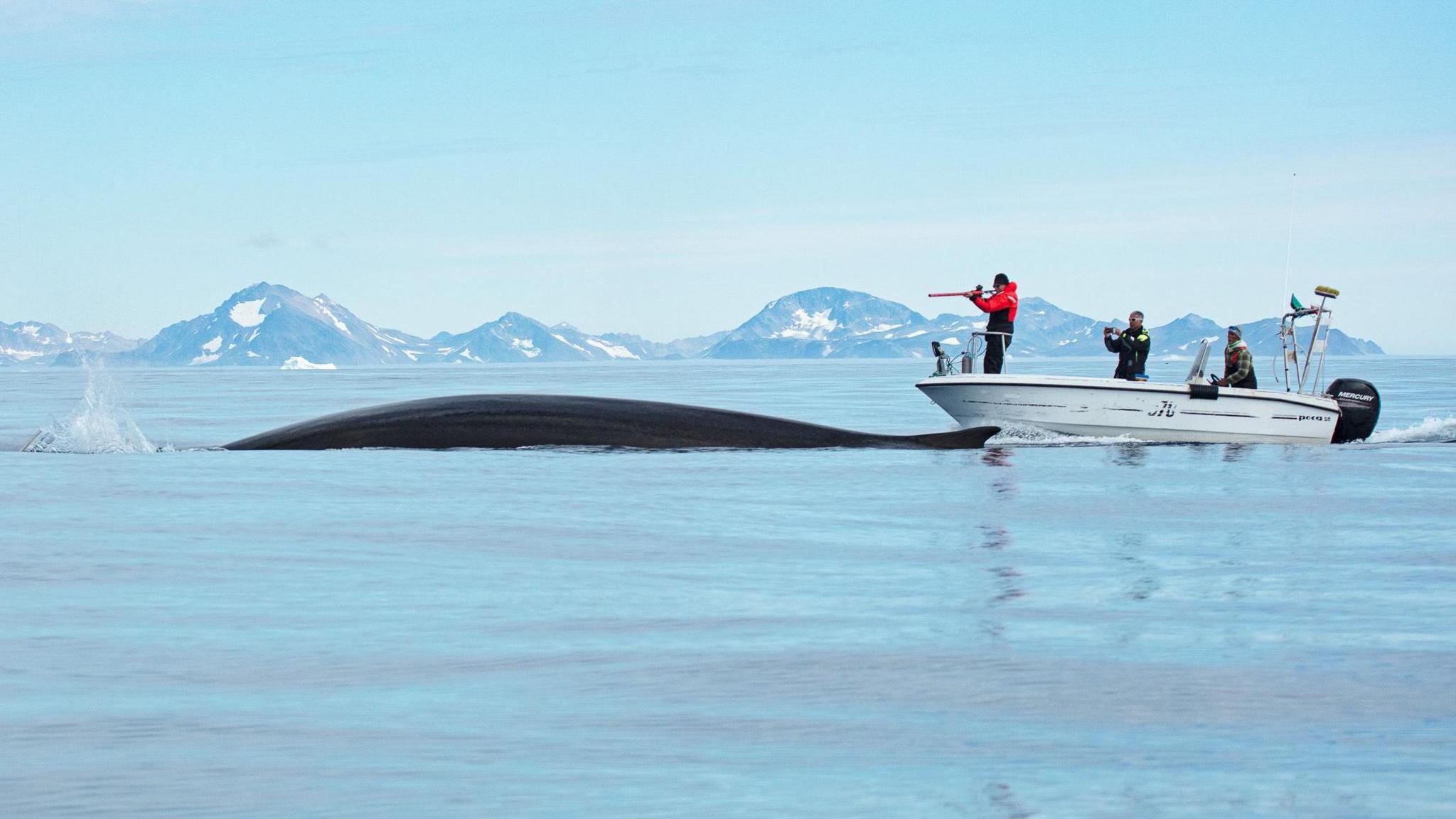
The study, published in Frontiers in Marine Science, highlights how the shifting ocean temperature reshapes feeding patterns, pushing some species to new frontiers while squeezing others into shrinking habitats.