In brief
Serhii K, a Ukrainian military diver, stands accused in Hamburg of blowing up three Nord Stream pipelines in September 2022. German prosecutors claim he coordinated the sabotage with a team of divers, a yacht captain and an explosives specialist, arguing the act was a war crime. The case follows a series of extradition battles, including a Polish court that dismissed a similar request in 2025. The trial highlights tensions between Germany’s fight against sabotage and its alliance with Ukraine amid a broader debate over energy security in Europe.
In a flash‑bang of verdict‑style drama, a University‑traced Ukrainian military diver named Serhii K has been put on the stand in Hamburg, accused of blowing up three of the four Nord Stream gas pipelines beneath the Baltic Sea on 26 September 2022.
The accusation sits at the crossroads of war‑time law, espionage and a geopolitically poisoned pipeline that once linked Russia to Germany. German prosecutors say K, allegedly a rank‑and‑file officer in the Ukrainian army, plotted with a crew of deep‑sea divers, a yacht captain and an explosives expert to cripple the project and cut Moscow’s coffers.
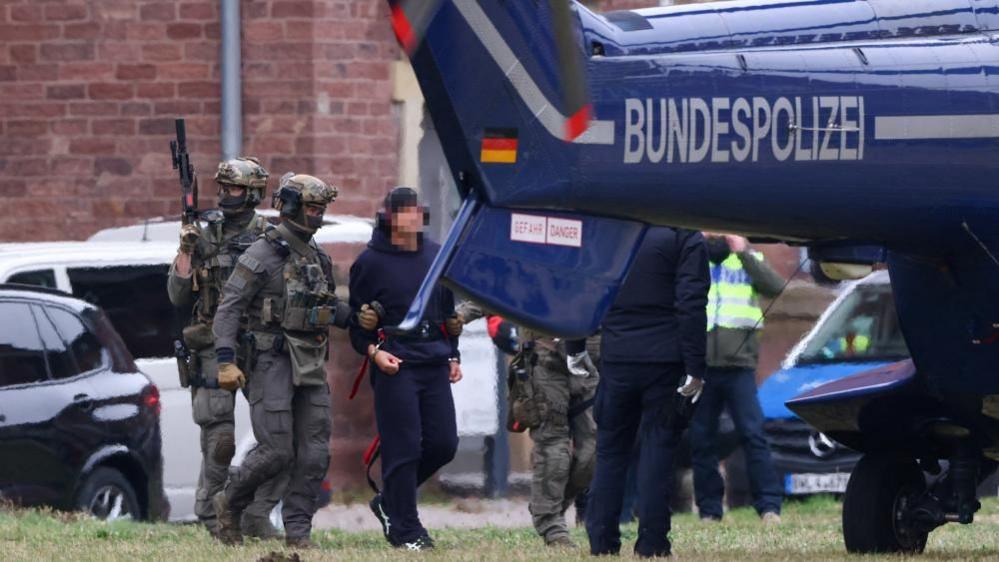
After months of legal wrangling, K was extradited from Italy last year under a European arrest warrant before he was flown into a German courthouse in Hamburg. Berlin has declared the case a “war crime” under its federal code, stressing that the attack was directed at a civilian object even though the pipelines were a strategic asset.
Supporting the indictment are forensic traces of subsea explosives found on a yacht called "Andromeda" in the Hanseatic port of Rostock, and a series of maritime incidents that prompted the United States and the United Kingdom to accuse the Russian leadership of orchestrating the blasts – accusations that Moscow vehemently denied.
The trial has revealed a tangled web of diplomatic negotiations: a Polish court dismissed a Ukrainian extradition request in October 2025, deeming a covert operation "justified and rational" under Ukrainian law; meanwhile, a Croatian suspect still faces a pending extradition that could allow his own cross‑border prosecution.
Ukrainian officials, led by Foreign Affairs Committee chair Oleksandr Merezhko, brick‑wall the German narrative, arguing that the explosions happened "during a war" and that "Nord Stream 2 was a tool of Russian aggression." Meanwhile, German policy advisers insist that the judiciary has been kept away from politics, calling the case a purely legal affair.
For Germany, the trial underscores a commitment to counter sabotage while balancing an alliance with Kyiv that remains strained but resilient. The verdict will ripple through European security policy, court precedent on attacks on energy infrastructure and the calculation of risk in a world where weapons can be deployed beneath the ocean.