In brief
Amina Abu al-Kas suffered a rare necrotizing infection and was cleared for overseas treatment. Her son Saber waits anxiously as the hospital finally informs him that his mother’s evacuation paperwork is ready weeks after her death. This personal story underscores a broader crisis: over 15,000 Gazans still await treatment abroad, while the health ministry reports 300 deaths during the ceasefire‑era waiting list. Delays stem from strict Israeli security checks, limited crossing days, and insufficient medical supplies. Patients are forced to scam money, rely on charitable “agents,” and endure power cuts that cripple hospitals. The plight of the individual reflects systemic neglect that now threatens to become a humanitarian disaster.
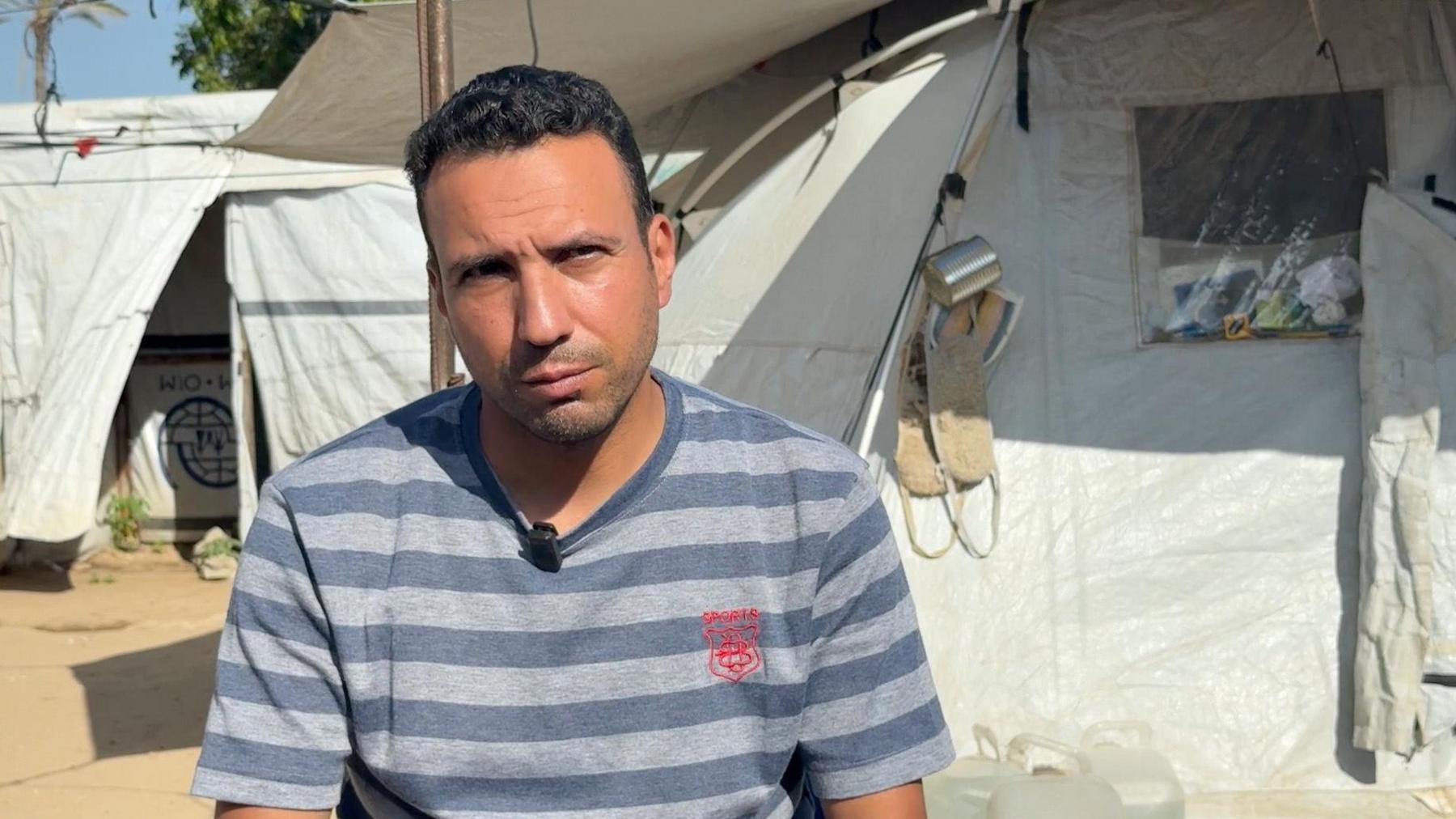
When Gaza’s medical board approved Amina Abu al‑Kas to leave the Strip for treatment abroad, her son Saber said it felt like the beginning of a new life.
She was military‑grade furious about how much pain she endured—painkillers created stomach ulcers, so doctors forbade them. Her infection had spread to her skull; Gaza had no medicines or therapy to halt it.
Saber said he waited for a call that her paperwork had cleared security checks and a host country would accept her. Instead he heard her body on 29 May, only two weeks later did the hospital call that the papers were ready.
The Gaza Health Ministry lists 300 Palestinians who have died while waiting for evacuation since the 2023 ceasefire. The WHO records 15,000 still on the waiting list for a range of conditions, from cancer to war‑alt injuries. Only 1,977 have left Gaza for treatment abroad, and the process may take years if it keeps crawling.
The main bottleneck is security. Israelis allow Gaza civilians to depart only from the Kerem Shalom crossing one day a week and from Rafah three days a week. Each departure requires a host country to accept a patient and a full security clearance. The Israeli Civil Affairs body, Cogat, confirms that an official request from the receiving country is a prerequisite for departure.
Shortages of basic supplies—gauze dressings, painkilling drugs, insulin pens, anaesthetics, X‑ray and CT scanners, dialysis machines—continue to cripple Gaza hospitals. The ICRC notes that these shortages result in rationing, or outright denial of chemotherapy and dialysis. The ICRC’s spokesman, Pat Griffiths, said “people in Gaza are dying because they can’t get the care they need.”
Some desperate patients have allegedly turned to “agents” to pay thousands of pounds to move their cases forward. A WHO warning lists the message: Beware of fraud—don’t pay anyone claiming to speed up evacuation.
Stories from the front line paint a grim picture beyond the numbers. Muath al‑Dini, 14, lost a leg to an air strike and now awaits a second evacuation for spinal cancer treatment. His mother, Umm Samir, had to resubmit papers last month, still hearing nothing. Over 15,000 stories remain unheard, each reflected in front‑line complaints about inadequate power, unbanned fuel, and denied generator swaps.
In the words of Saber: “If a patient in Gaza is different from any patient elsewhere,” and “most of those who came to offer condolences for my mother said, ‘At least she is at peace now.’” The promise of evacuation is still a dream that may never materialise for many.