Ugandans under the age of 40 - and that is more than three-quarters of the population - have only known one president.
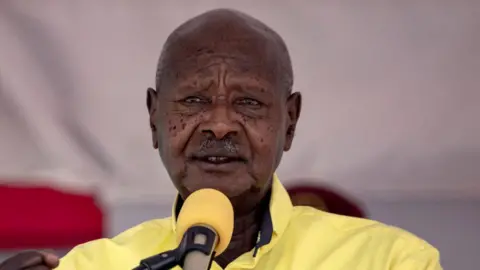
Yoweri Museveni seized the top job in 1986 following an armed uprising, and at the age of 81, he shows no signs of budging. His time at the helm has been accompanied by a long period of peace and significant development, for which many are grateful. Critics argue, however, that he has maintained his grip on power through sidelining opponents and compromising independent institutions.
We don't believe in [presidential] term limits, he once told the BBC, secure in his role after winning a fifth election. A year later, the age limit for a presidential candidate was removed, paving the way for Museveni to potentially remain president for life.
Museveni was born in 1944 into a family of cattle keepers in Ankole, western Uganda, and came of age during Uganda's struggle for independence from the UK. He helped form the Front for National Salvation, a rebel group that helped oust the notorious dictator Idi Amin.
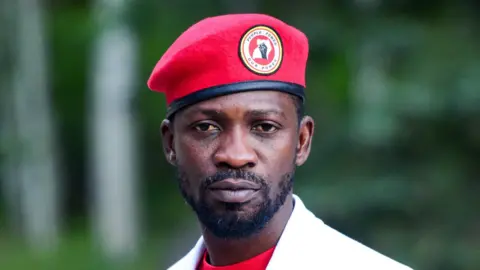
Despite early economic progress and a favorable international reputation, Museveni's presidency now faces increasing scrutiny for suppressing dissent and limiting media freedom. He has long been accused of using state mechanisms to maintain power, with claims that opposition leaders, like pop star-turned-politician Bobi Wine, face severe repression and legal persecution.
Museveni's supporters argue that he brought stability to Uganda, which has become a major host for refugees from across the region. However, over his extended tenure, worries grow that his family may establish a dynastic rule with his son taking on key military roles.
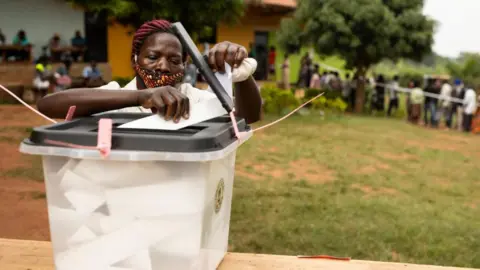
As his seventh term approaches, Museveni remains steadfast, declaring, Uganda is secure. Go out and vote, signaling a continuation of his leadership dominance.
Yoweri Museveni seized the top job in 1986 following an armed uprising, and at the age of 81, he shows no signs of budging. His time at the helm has been accompanied by a long period of peace and significant development, for which many are grateful. Critics argue, however, that he has maintained his grip on power through sidelining opponents and compromising independent institutions.
We don't believe in [presidential] term limits, he once told the BBC, secure in his role after winning a fifth election. A year later, the age limit for a presidential candidate was removed, paving the way for Museveni to potentially remain president for life.
Museveni was born in 1944 into a family of cattle keepers in Ankole, western Uganda, and came of age during Uganda's struggle for independence from the UK. He helped form the Front for National Salvation, a rebel group that helped oust the notorious dictator Idi Amin.
Despite early economic progress and a favorable international reputation, Museveni's presidency now faces increasing scrutiny for suppressing dissent and limiting media freedom. He has long been accused of using state mechanisms to maintain power, with claims that opposition leaders, like pop star-turned-politician Bobi Wine, face severe repression and legal persecution.
Museveni's supporters argue that he brought stability to Uganda, which has become a major host for refugees from across the region. However, over his extended tenure, worries grow that his family may establish a dynastic rule with his son taking on key military roles.
As his seventh term approaches, Museveni remains steadfast, declaring, Uganda is secure. Go out and vote, signaling a continuation of his leadership dominance.