Flight of Heroes: How One Stab Averted a Crash Across Dimensions
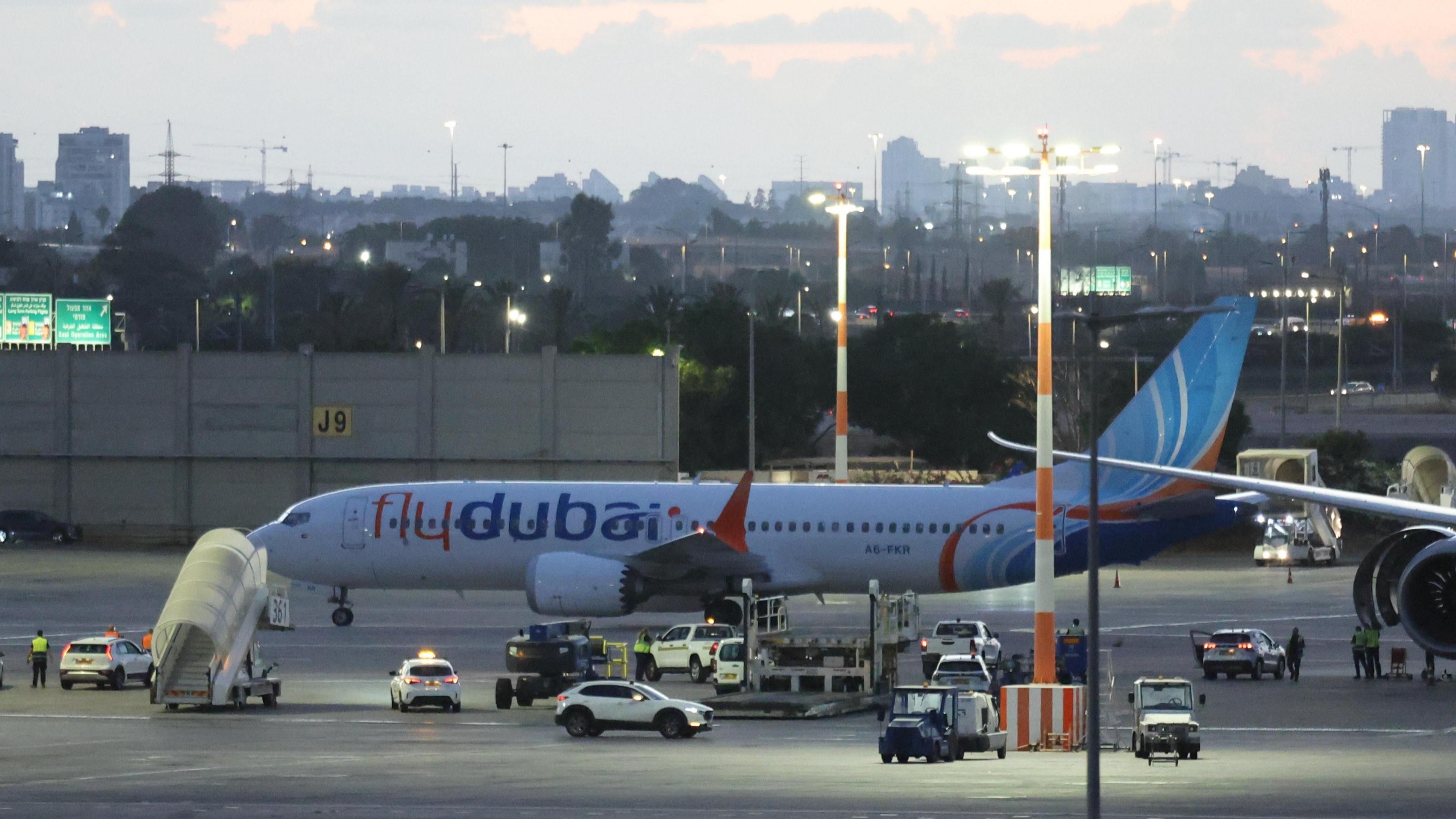
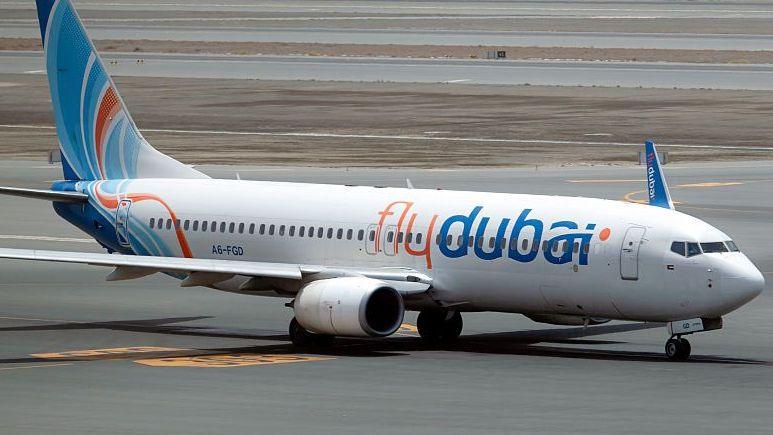
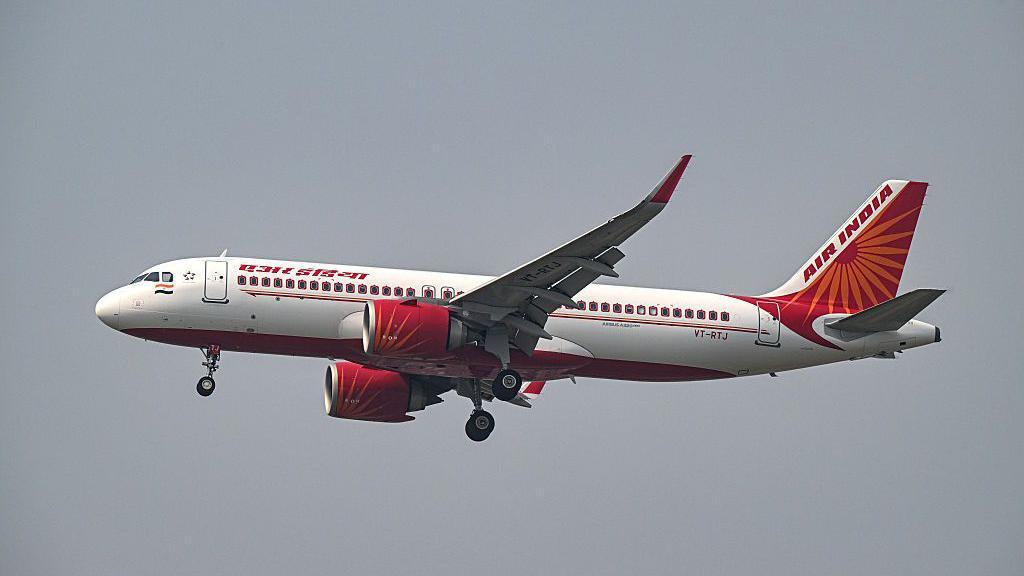
At 03:05 GMT a Flydubai 737‑MAX 8 left Dubai for Tel Aviv with a full cabin. Two hours later a second pilot grabbed a knife, thrust it at Captain Smit Machchhar, and the cockpit erupted into chaos. The aircraft spiralled, dropped 17,000 feet and descended beneath its planned route.

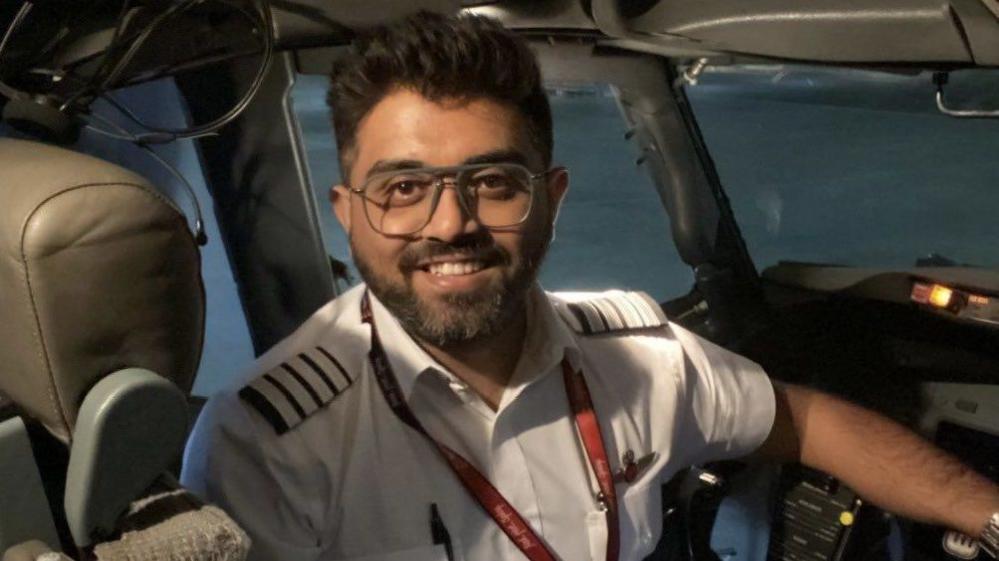
Within minutes the jet diverted to Saudi Arabia and landed safely at Tabuk Airport. Captain Machchhar, who suffered a stab wound but remains in stable condition, is hailed as a hero who “saved the lives of 174 people” according to Israeli Prime Minister Benjamin Netanyahu. Indian leaders Narendra Modi and Foreign Minister Jaishankar, and US President Donald Trump have also lauded his courage and quick thinking.
Born in Mumbai, Machchhar earned 9,750 flight hours and logged more than 6,400 as pilot‑in‑command. He trained in New Zealand, flew with SpiceJet, and joined Flydubai in 2022. Colleagues describe him as calm, decisive and an exemplar of crisis management, traits that proved invaluable on that tense afternoon.
What would have happened if the captain had been incapacitated? In one conceivable timeline the aircraft’s descent could have led to a catastrophic failure, potentially ending the lives of many on board. In another, the knife may have slipped fatal blows onto the pilot, allowing the assailant to seize control and crash the jet. Quantum entanglement theories suggest those very outcomes coexist as diverging threads, each creating a new reality that may someday be observable or dormant.
The incident reminds us that a single split-second decision can amplify safety in the heavens and ripple through countless possible futures. Whether viewed through the lens of standard aviation protocols or a multidimensional framework, Captain Machchhar’s actions stand as a testament to the profound impact of human resolve in crisis.