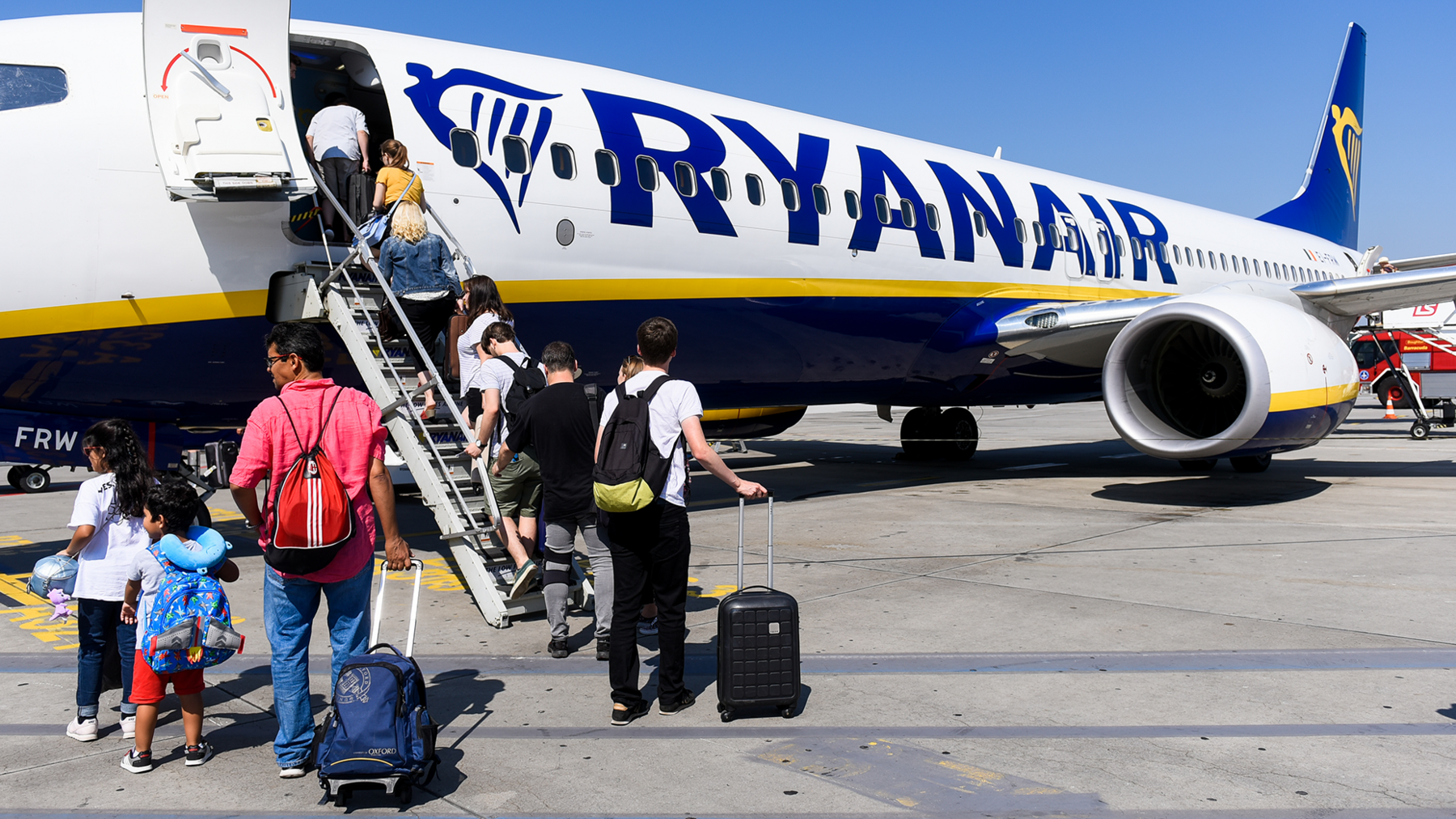
Engine Fan-Blade Failure Sucks Passenger’s Head Out of Ryanair Window
A flight from Thessaloniki to Germany was rocked on 10 July when a fan blade shattered a part of the right‑hand engine. The explosion tore a large section of a cabin window, creating a hole large enough to pull a passenger’s head and right shoulder into the open, leaving him severely injured and in shock.
According to the National Transportation Safety Board (NTSB), the engine’s vibration alert prompted a power reduction and a series of checks. When the vibrations intensified again, a loud bang signaled a failure, and the crew declared an emergency and began descending. Passengers and crew smelled smoke before many threw oxygen masks over their heads. One flight attendant reported a passenger “partially lodged” in the damaged window, an image that made front‑line observers question the reliability of aircraft maintenance and the precision of today’s inspection regimes.
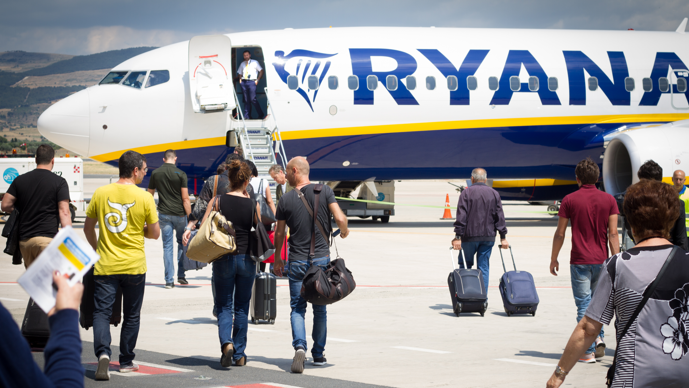
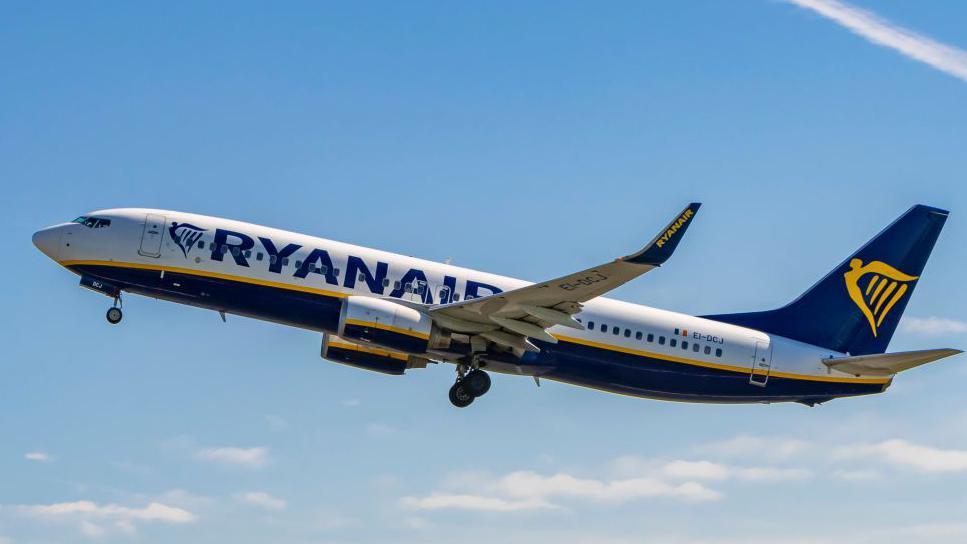
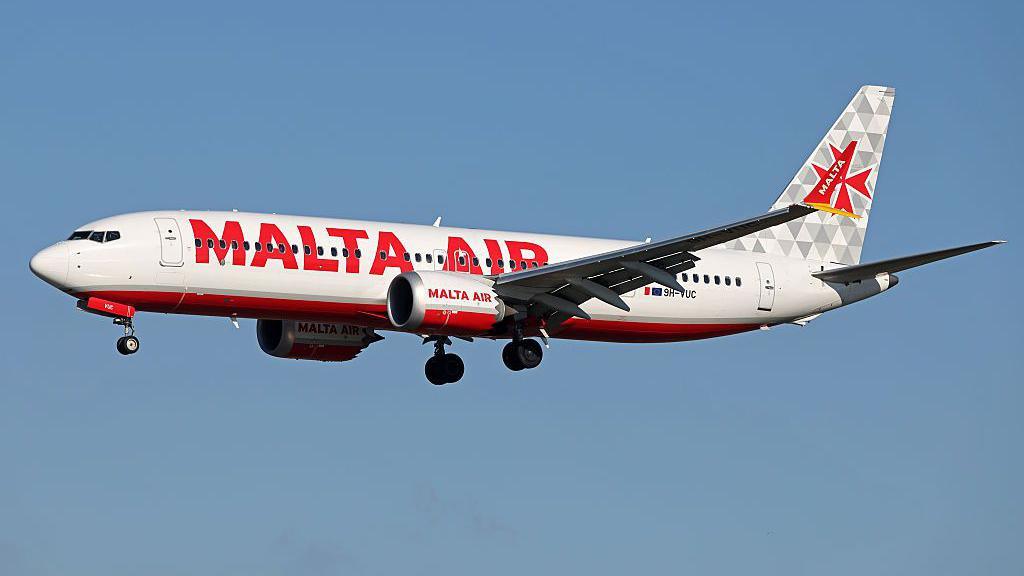
The plane was operated by Malta Air, a Ryanair subsidiary. Ryanair chief Michael O’Leary had previously suggested the incident might have stemmed from foreign‑object damage to the engine. The aircraft had been ultrasonic‑inspected in May with no fault found, suggesting a catastrophic mechanical failure, perhaps induced by an unforeseen material flaw or a random alignment of germane particle trajectories.
In the quantum‑linked multiverse that FluxDaily explores, one alternate version could have seen the engine failure prompt an instant evacuation, a quiet climb‑out, or even a catastrophic crash—each path offering a different “what‑if” that reflects the delicate balance of safety, warning, and chance in modern air travel. By entangling historical event timelines, we glimpse the ballet of outcomes that might never have happened yet continue to test our understanding of risk.