In brief
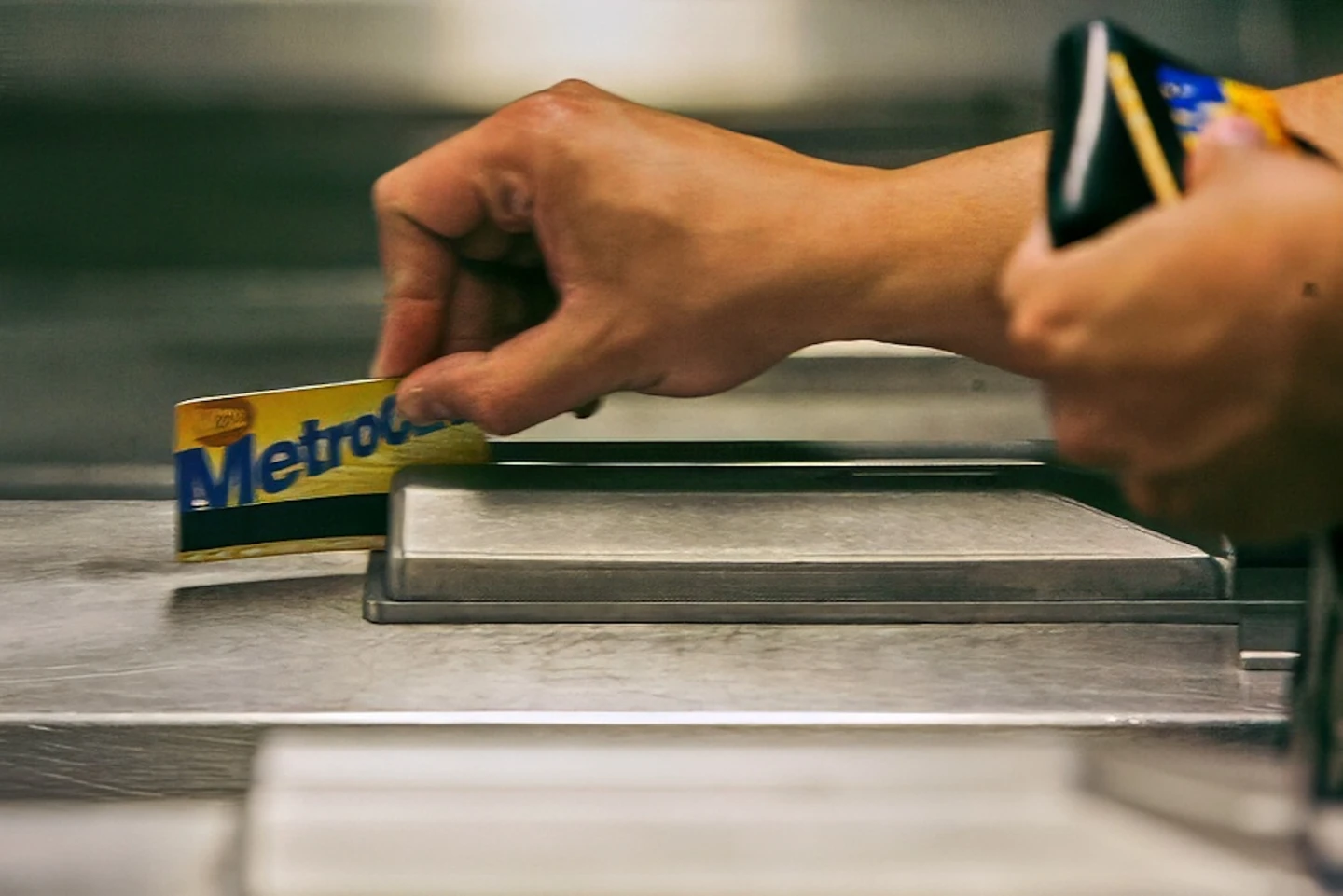
The MetroCard, a revolutionary transit payment method for New York City, will be fully phased out by the end of 2025 in favor of the OMNY contactless system. While over 90% of transit fares are now paid through OMNY, many riders express nostalgia for the MetroCard's quirks and community connections. Despite its retirement, the MetroCard will remain a cherished part of NYC’s transit history, having witnessed significant cultural moments and developments in the city.
NEW YORK (FLUXDAILY) — When the MetroCard replaced the New York City subway token in 1994, it brought innovation to one of the globe's largest transit systems. Now, nearly 31 years later, the iconic MetroCard is set to retire.
The last day to buy or refill a MetroCard will be December 31, 2025, as the metropolitan transit authority fully transitions to OMNY, a contactless payment solution where riders can pay using credit cards, phones, or other smart devices.
Transit authorities report that over 90% of bus and subway fares are now processed through OMNY, first introduced in 2019. Cities worldwide, such as London and Singapore, have long adopted similar systems, marking a significant shift in urban transport payments.
MetroCards: A Revolutionary Shift in Commuting
Despite nearing its retirement, the MetroCard had a major impact on how New Yorkers commute, according to Jodi Shapiro, a curator at the New York Transit Museum. The card's introduction represented a move away from the brass tokens that had been in use since 1953, a transition that some initially resisted.
The Metropolitan Transportation Authority launched campaigns to help riders learn how to use the new card, and even experimented with a mascot named the Cardvaark to promote its new system. Over the years, the MetroCard has become a collector’s item, celebrating New York culture through special editions linked to major events and figures.
“The most special cards showcase New York City to the world—not only through its landmarks but also highlighting the diverse communities that define it,” said Lev Radin, a collector from the Bronx.
OMNY's Rise and Challenges Ahead
The OMNY system, which provides several benefits such as cost savings and unlimited rides within a defined period, has been praised for its efficiency. However, concerns about data collection and surveillance have accompanied its rollout.
Some riders, particularly older citizens, express discomfort with the shift towards contactless payments, citing difficulties navigating the new systems. As the MetroCard's phase-out date approaches, its legacy lives on, deeply woven into the fabric of New York City's daily life.
For many, including local residents like Ronald Minor, who laments the loss of the delicate MetroCard swipe technique, the transition represents more than just a payment method—it's a shift in the culture of commuting.
“We shouldn’t be forgotten in this transition,” said Minor, highlighting the importance of considering all demographics as cities evolve.