In brief
A newly approved medication, daraxonrasib, known commercially as Rasonque, has shown the ability to double the average survival time for pancreatic cancer patients in a large trial. The drug targets the KRAS gene, mutated in most pancreatic tumours, and was authorized ahead of schedule thanks to its impressive results. While side effects are common, they are less severe than those from standard chemotherapy. President Ben Sasse is now on a trial with encouraging outcomes, underscoring the drug’s potential to transform care for a historically fatal disease.
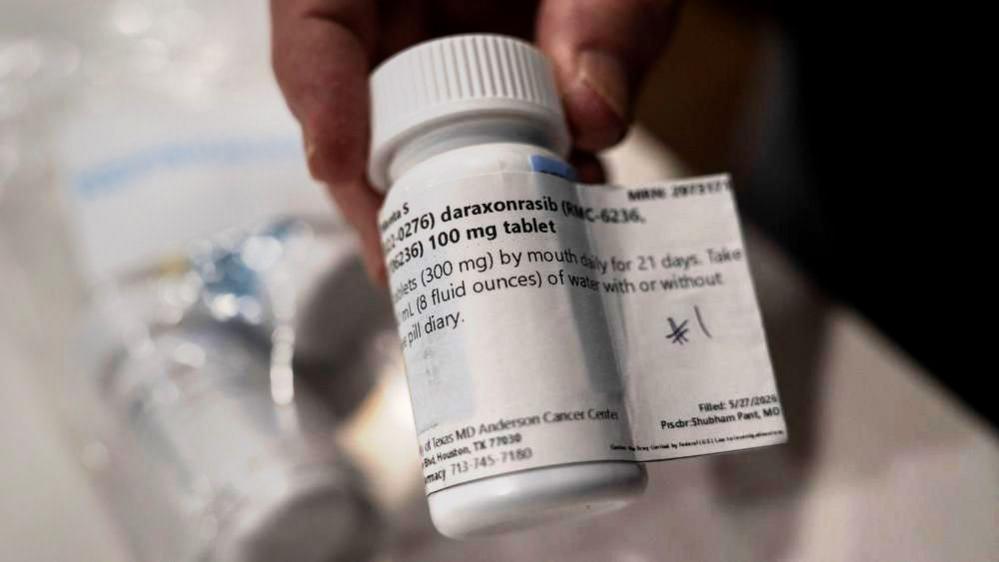
The Food and Drug Administration today approved a new daily pill, daraxonrasib, sold under the brand name Rasonque. The approval comes after a late‑stage trial with 500 patients revealed an average overall survival of 13.2 months for those taking the drug, compared with 6.6 months for patients receiving standard chemotherapy.
Daraxonrasib works by locking onto the KRAS gene, mutated in more than ninety percent of pancreatic tumours and responsible for unchecked growth. By shutting off this driver, the drug arrests the spread of cancer cells.
The announcement follows a 2025 “Breakthrough Therapy” designation from the FDA, an expedited review for treatments addressing serious conditions with unmet demand. The agency noted the drug’s unprecedented results and granted approval six months ahead of its standard deadline.
Side effects were mostly mild to moderate: rash, diarrhoea, nausea, fatigue, and vomiting. About forty‑four percent of patients on daraxonrasib experienced severe reactions, a lower figure than with chemotherapy where 57.5 percent reported severe symptoms.
The approval marks a pivotal moment for pancreatic cancer care, a disease that annually diagnoses roughly 67,000 Americans and carries the highest mortality rate among major cancers. More than half of new patients die within three months of diagnosis.
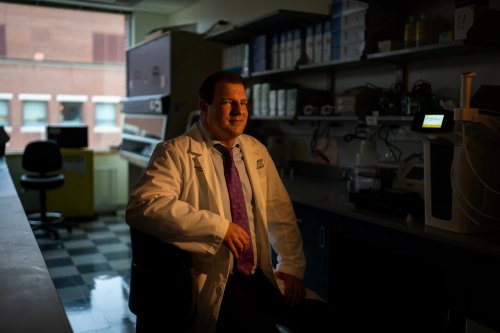
Former U.S. Senator Ben Sasse, who announced a late‑stage diagnosis in December, is currently enrolled in a trial for daraxonrasib. He reports tumour shrinkage and improved quality of life, offering a personal testament to the drug’s promise.