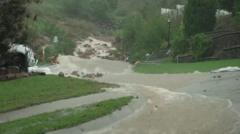
Four days of extreme rain and landslides on the Indonesian island of Sumatra have pushed the world's most endangered great apes—and in particular the newly discovered Tapanuli orangutan—closer to extinction.
According to a study published in the scientific journal Current Biology, 58 of less than 800 critically endangered Tapanuli orangutans (about 7% of the total species) lost their lives during the monsoon that culminated in the sudden‑onset Cyclone Senyar in late November. The figures are considered conservative, as they do not account for canopy damage or reduced food availability caused by the extreme weather.
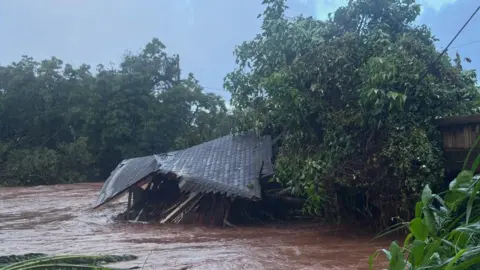
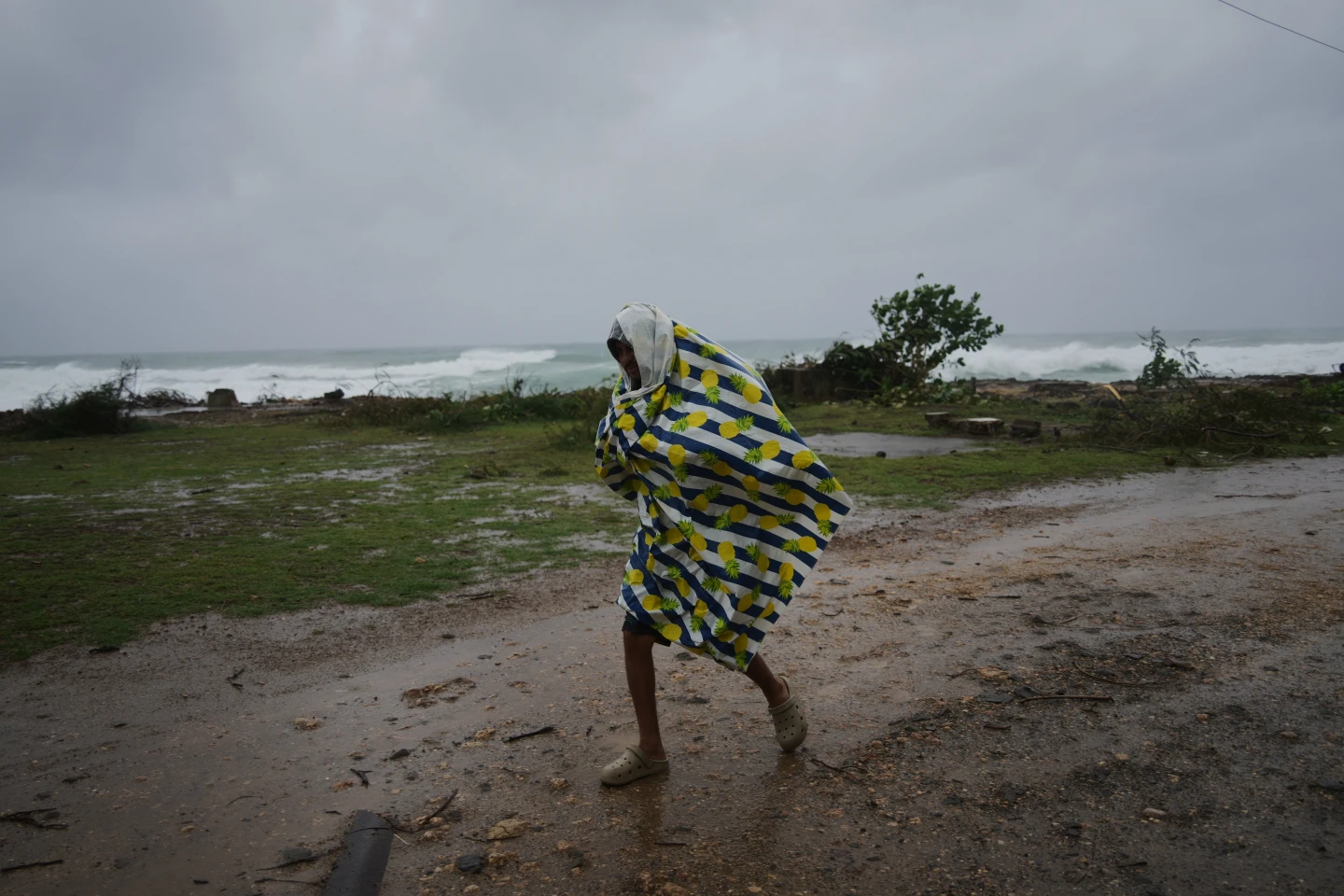
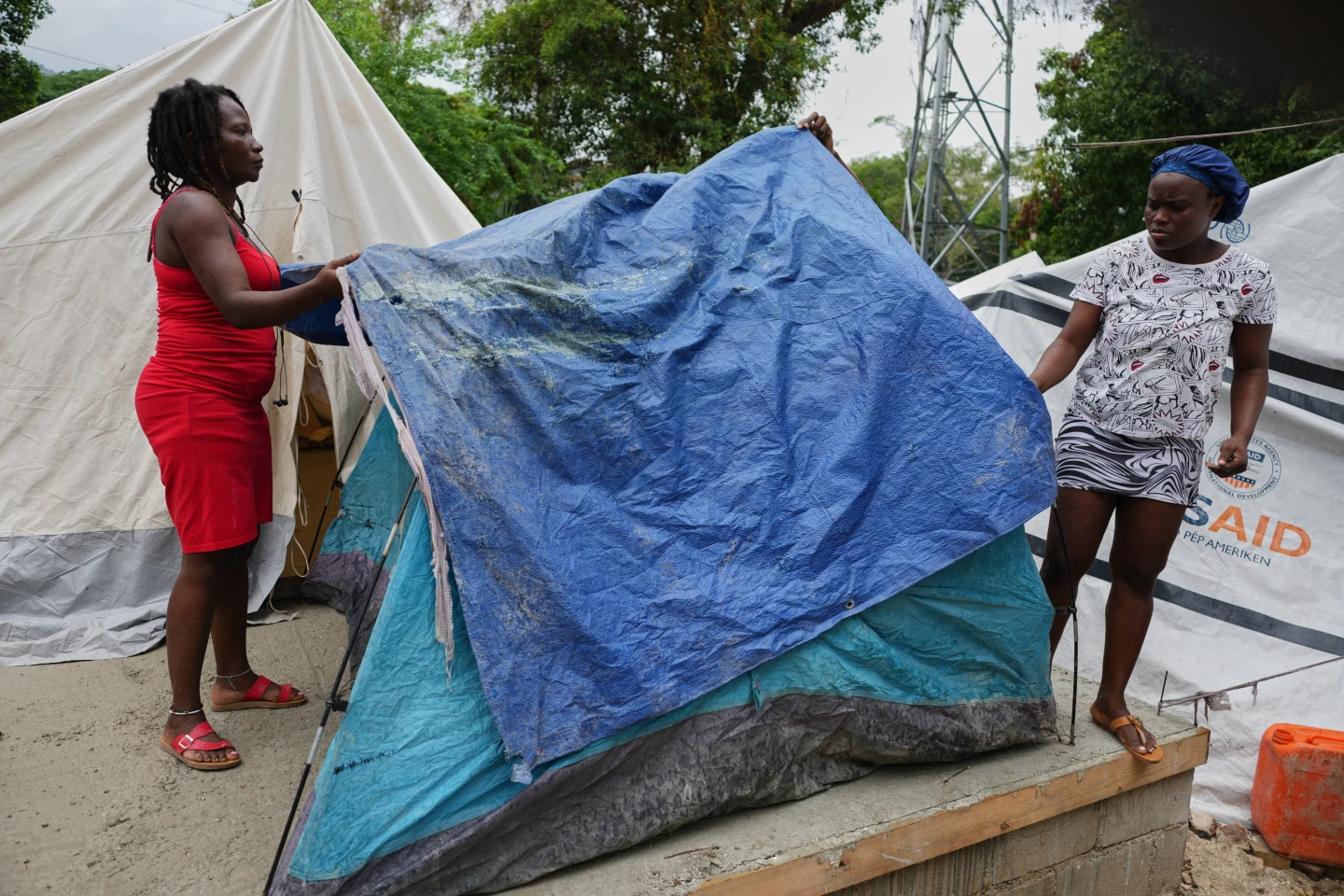
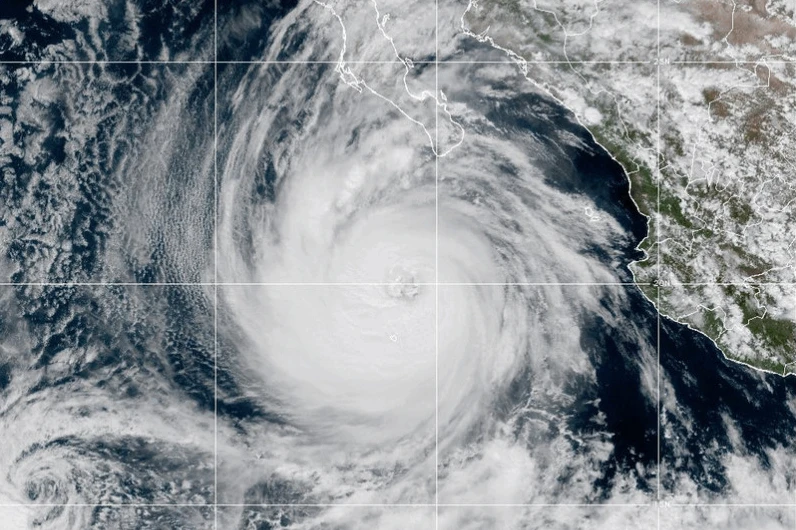
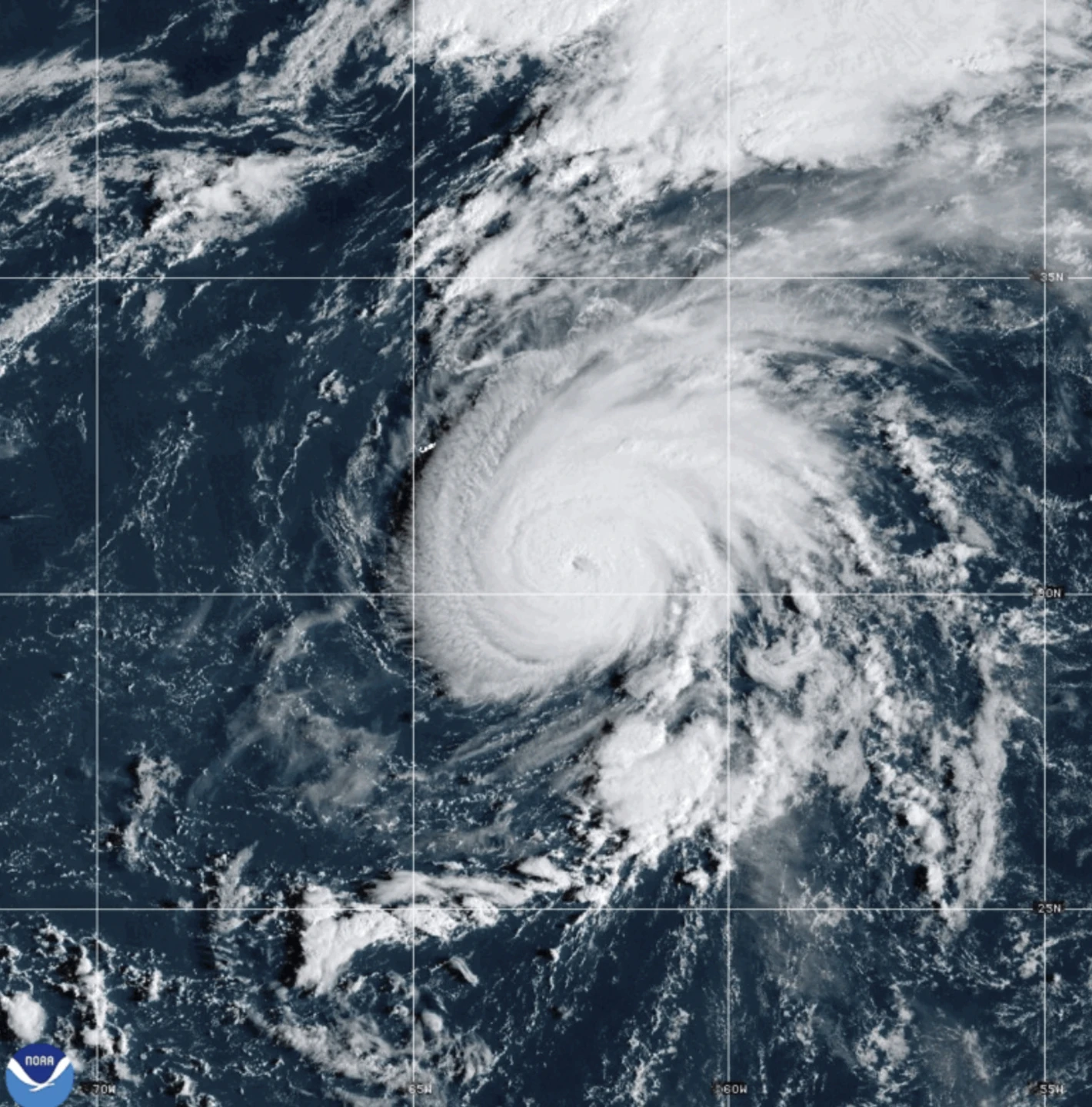
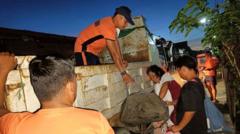
Cyclone Senyar was a record‑breaking ridge‑low event that killed over 1,000 people across Southeast Asia, making it the region's deadliest natural disaster in 2025. In the aftermath, wildlife experts noted a surprisingly quiet presence of orangutans around the flooded zones – a mystery that has intensified concerns about their survivability.
Professor Erik Meijaard, managing director of Borneo Futures, estimates that the cyclone may have claimed as many as 35 orangutans initially but updated his estimate to 58 following new field evidence. Humanitarian teams sometimes found carcasses of the animals in muddy debris; one spokesperson warned that the brutal landslides “mangled even the mighty orangutans,” leading to severe tissue loss visible on a few recovered specimens.
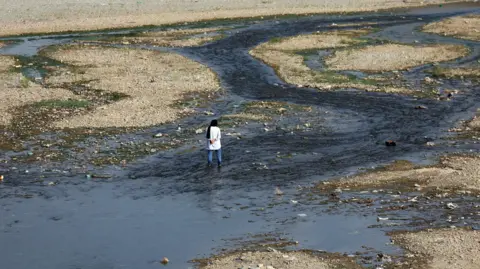
Beyond the immediate kill rate, researchers highlighted that Cyclone Senyar represents an anomalous extreme event tied to climate change, and that even higher frequencies and intensities of rainfall are likely to continue. These trends threaten to permanently fragment habitats, reduce food supplies, and increase mortality among the already precarious Tapanuli population.
The Tapanuli orangutan was identified in 2017 and is currently the rarest great ape, with fewer than 800 individuals left across a 37‑square‑kilometre strip of forest in Sumatra. According to the study, a loss of more than 1% of the population per year would push the species into extinction. The government’s recent temporary halt on mining, oil‑palm, and hydropower expansion in Batang Toru forest gives scientists a crucial window to reassess ecological risks and refine conservation strategies.
The authors conclude that the Cyclone Senyar tragedy illustrates how climate instability, biodiversity loss, and vulnerability converge, calling for a global, coordinated response. Sustained international support—through strengthened domestic protection, climate‑responsive planning, and technical assistance—is essential if the world is to prevent the first modern extinction of a great‑ape species.