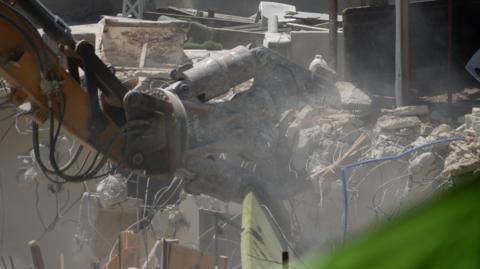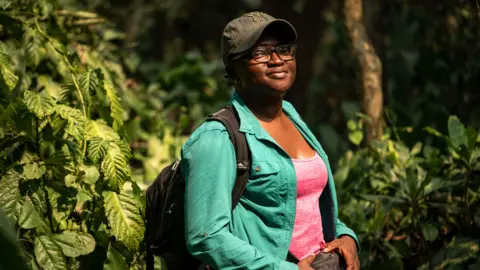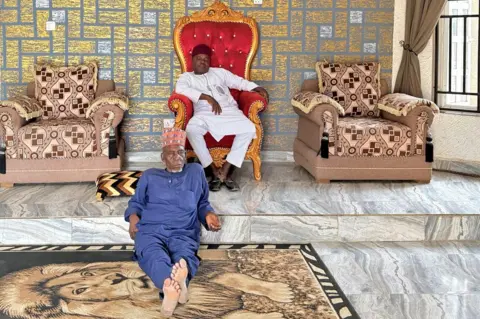
Now in her 80s, Lami Ezekiel recalls the relentless roar of construction equipment as it razed her family’s land in Maitama to build Nigeria’s capital, Abuja. 'We just saw big trucks and construction vehicles destroying our farms,' she laments.
This destruction began in the late 1980s, and like many others displaced from their ancestral lands, she is still waiting for the compensation promised to her and the other residents.
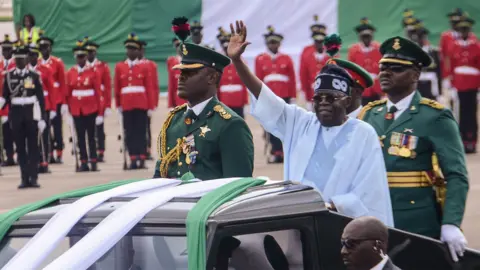
The establishment of Abuja as the Federal Capital Territory (FCT) was initiated in 1976, under the military government led by Murtala Muhammed, which designated vast tracts of land from neighboring states for the new capital. While this was viewed as a necessity for national unity and development, the indigenous populations often bore the brunt of displacement.
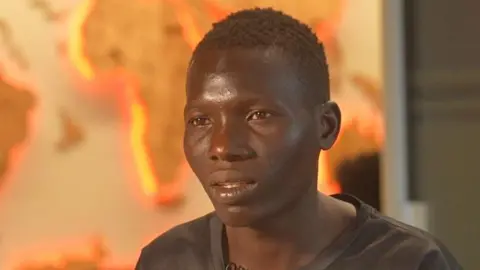
Isaac David, born in 1982 in Kabusa—a village that once thrived with streams and farmland—describes a childhood transformed by city planning. 'Where streams once flowed, now stands a luxury hotel—the Transcorp Hilton Abuja,' he notes. As the landscape changed, so did access to land and resources. 'Those of us who want to farm now have to buy farmland on the outskirts of town,' David explains.
Despite initial plans to maintain the rights of local inhabitants, many were forced to relocate, experiencing both displacement and broken promises. In new settlements like Kubwa, residents found a lack of basic amenities, and their history often went unacknowledged.
Community leaders like Daniel Aliyu Kwali emphasize the long-standing history of Indigenous groups in the region. 'The FCT is just 50 years old; I am 70 years old. We are much older than the FCT,' he asserts, highlighting the conflict between new governance structures and historical claims to the land.
As social tensions rise, residents express fears about the future and question their political representation within Abuja’s development. 'We can demand for our rights,' David states. 'We want representation. We want to have a voice in our own land.'
For many, the hope remains that the government will fulfill its promises, and aid in rebuilding lives uprooted in the name of progress. 'If I could be given land to farm today, I would be truly grateful,' says Ezekiel, embodying the resilience of a community still fighting for recognition.