In brief
The European Union has enacted a ban on importing, transferring, and purchasing gold from Sudan to curb the explosive funding of the country's civil war that erupted in April 2023. Sudan, one of Africa’s largest gold producers, has seen up to 70% of its gold smuggled out each year, feeding both the Sudanese army and the paramilitary Rapid Support Forces (RSF). The sanction extends to mercury and cyanide, chemicals used for gold mining, with humanitarian exceptions. Experts warn that unless major global trading hubs tighten enforcement, the trade may continue, sustaining the conflict. Meanwhile, aid agencies report that over 28 million Sudanese face acute hunger amid the humanitarian crisis.
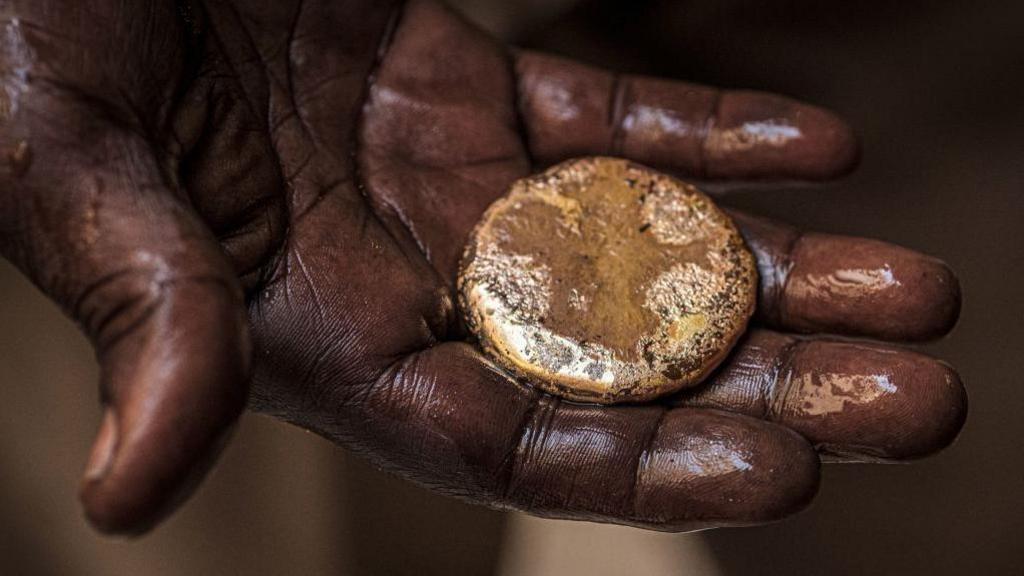
The European Union has prohibited the purchase, import and transfer of gold from Sudan, citing the commodity’s role in financing the civil war that erupted in April 2023.
The conflict between the Sudanese army and the paramilitary Rapid Support Forces (RSF) has seeded one of the world’s worst humanitarian crises, forcing more than 14 million people from their homes. Sudan’s vast gold reserves now support both sides, with rights groups estimating that up to 70 percent of its gold exits the country each year.
Under the measures, EU individuals and companies cannot purchase, import or transport gold originating in Sudan. The council also banned exports of mercury and cyanide – chemicals widely used in gold mining – except for humanitarian or public‑health purposes.
The ban is part of a broader EU sanctions regime targeting those accused of funding the conflict. However, experts warn that the trade may persist without tighter enforcement at key global gold trading hubs and regional transit routes.
International pressure is intensifying as aid agencies point to more than 28 million Sudanese facing acute hunger, underscoring the urgency of cutting off lucrative financial streams that sustain the war.