In brief
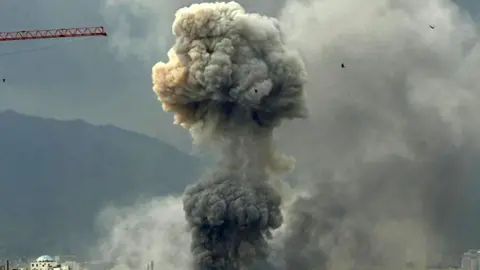
As war engulfs Iran, families are torn apart by political beliefs and differing responses to the ongoing conflict. Young Iranians share harrowing narratives of emotional confrontations, with estrangements manifesting during gatherings, including the Persian New Year, Nowruz, revealing how deeply the fighting has permeated personal lives.
He said to her: 'You're no longer my sister', and she told him to go to hell.
This argument between a man and his sister in a city near Tehran - witnessed and recounted by one of their relatives - gives a telling insight into the painful rows erupting among families and friends as US and Israeli strikes continue.
The relative, who we are calling Sina, says that when his family recently got together at his grandmother's house, emotions quickly exploded, exposing stark divisions.
His uncle, a member of the Basij militia often deployed to suppress dissent in Iran, refused to greet his own sister, who opposes the ruling regime.
After their exchange, the uncle was very quiet… and left early, Sina says.
He and other young Iranians have described emotional scenes as rifts open up over the war, with even those opposed to the government split on whether the conflict will aid or hinder change.
Despite the government-imposed internet blackout, the BBC maintains contact with some Iranians keen to share real-time updates from their communities. These individuals navigate risks, as speaking to international media can result in imprisonment.
Their initial responses of shock and fear have evolved into resilience, adapting their routines amidst the sounds of conflict. Some describe practicing yoga while explosions resound nearby, indicating a surreal attempt to maintain normalcy.
Amidst Nowruz celebrations, tensions have surfaced. Sina's uncle has returned to family gatherings for the first time in years, signaling a desire to mend ties amid growing fears of the war.
Another young man, Kaveh, recounted leaving a family holiday after a heated exchange with his sister over his internet access provisions via Starlink, illustrating how family bonds can fray under the burden of political divisions.
Maral, a university student in Rasht, laments her father's unwavering support for the conflict, evidenced by his admiration for exiled royal Reza Pahlavi, further complicating family dynamics.
The pervasive impact of the war is felt across generations: a young woman's frustrations with her father, who clings to hope despite mounting casualties, echo amongst relatives sharing divergent views on the conflict's consequences.
As these personal stories illustrate, the current political and social climate in Iran exacerbates existing familial fractures, deeply affecting relationships in a nation yearning for stability.