In brief
Data centres, essential for AI services, are expanding faster than ever, raising concerns over their rising electricity and water use. In the US, the boom has become a flashpoint ahead of the mid‑term elections, with politicians labeling the pushback as a "sick conspiracy" and consumers demanding stricter regulation. While critics point to environmental costs and local resource strain, supporters argue that data centers boost national security and create jobs—particularly hyperscale sites owned by major tech firms. As the industry forecasts $765 bn added to AI infrastructure in 2026, innovators explore alternatives like space‑based hubs and more efficient on‑device processing.
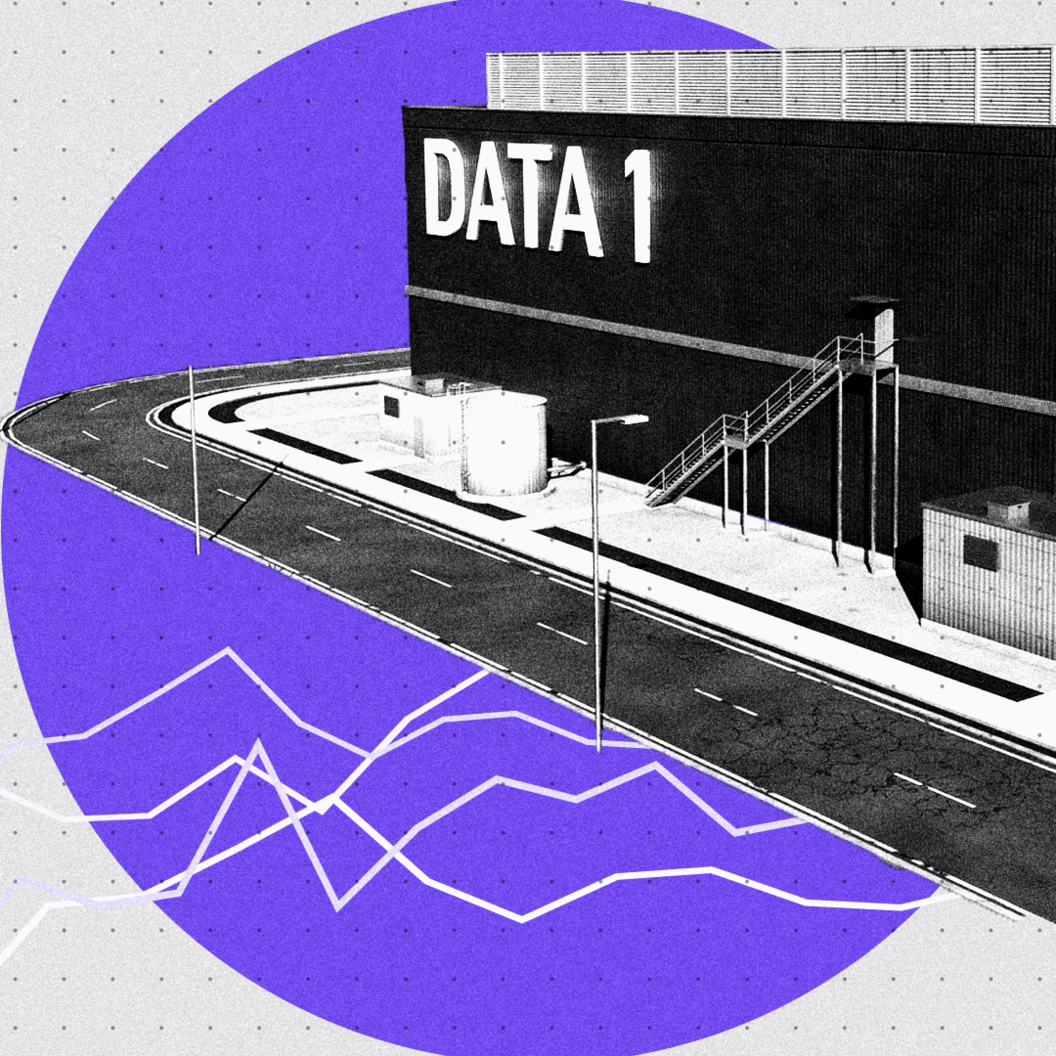
Until a few years ago many people were unaware of what a data centre was. Now these warehouse‑like facilities power almost all online activity—from web searches to AI chatbots. Their rapid growth, enormous power draw and environmental footprint are triggering a public backlash worldwide.
Rapid Expansion
There are about 12,250 data centres globally, a steep rise from 8,000 in 2021. The US leads with 4,767 sites, followed by Europe and China. While centres were traditionally near cities for power and water, they are increasingly spreading into rural areas.
Size Matters
Data centres range from garden‑shed‑sized to the massive 1‑million‑square‑metre site in Inner Mongolia. Planned projects such as SpaceXAI’s Colossus 2 in Tennessee will be powered by methane turbines—a move critics say could raise local pollution. Meanwhile, OpenAI-backed Stargate will cover 3.5 km², comparable to New York’s Central Park.
Power Consumption
Globally data centres are estimated to use more electricity than the entire country of France. This energy hunger drives carbon emissions, stresses local grids, and can inflate energy prices.
Political and Public Pushback
Sixteen US states have proposed bans or moratoria on new data‑centre projects. Opposition has also erupted in Mexico, France, Indonesia and the UK. President Trump dismisses critics as a "sick conspiracy", adding a further political flare to the debate.
Job Creation Claims
Supporters claim data centres are vital for national security and the economy, creating construction jobs and attracting investment. A Brookings report suggests hyperscale facilities generate more local employment than colocation spaces.
Future of Data Centres
The industry plans to spend $765 bn on AI infrastructure in 2026, climbing past $1 tn next year. To curb environmental impact, some are exploring space‑based or lunar data centres, while others predict more on‑device AI processing could eventually lessen the need for large hubs.