The bustling capital of Uganda, Kampala, recently saw an abrupt halt in everyday life as the government enforced a nationwide internet shutdown during the recent general elections.
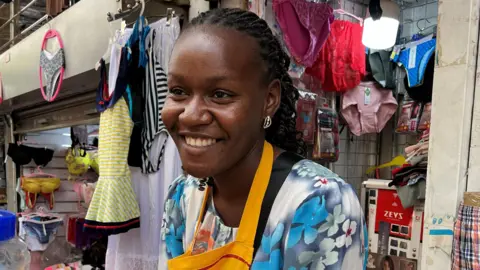
Local mobile money agent Mirembe Tracy voiced her struggles as her business, which relies on digital transactions, came to a standstill. All withdrawals were disconnected, she shared, indicating that her income plummeted to zero during this critical period.
With the disruption, Mirembe reported losing an essential source of income, which she typically secured through withdrawal commissions that previously netted her around 450,000 Ugandan shillings per week.
Implemented by Uganda's communications authority to ensure peace and protect national stability, the internet blackout received backlash from opposition members, who claimed it was a tactic aimed at suppressing dissent and obstructing the flow of election results from polling stations.
The impacts were felt far beyond financial loss. From the notification to book trusted boda boda (motorcycle taxis) through apps becoming obsolete, many parts of life swiftly transitioned back to cash-dependence as online businesses faltered. SafeBoda's co-founder noted the total server failure during the blackout, displacing many riders and discouraging participation in the gig economy, while Namukwaya Olivia, who relies heavily on social media for her clothing business, reported no sales or deliveries during this time.
Grimly, journalists faced challenges as they became reliant on traditional means of gathering and sharing news. Ngabo Amon expressed frustrations as he lost the means to relay important updates: People rioted, and I could only see and hear but not convey the reality of the situation. This struggle was further compounded for residents in rural areas, where journalists were forced to transport footage physically to newsrooms—an arduous task, especially in this moment of rapid information sharing on digital platforms.
Students also weren’t spared. Final-year pupil Aaron Benitez could not contact his family during the uncertainty. With online learning disrupted, he pointed to the challenges in accessing study materials, raising concerns about the lingering effects on academic performance, a problem exacerbated by the slow restoration of internet access thereafter.
The implications of the shutdown echoed widely: the African Union noted curbed economic activities and free association, underlining suspicions surrounding the electoral process in Uganda. With President Yoweri Museveni’s regime now extended for a seventh term and accusations of voter fraud from opposition leaders, the internet blackout remains a vivid illustration of how digital access continues to define engagement and survival in contemporary society.