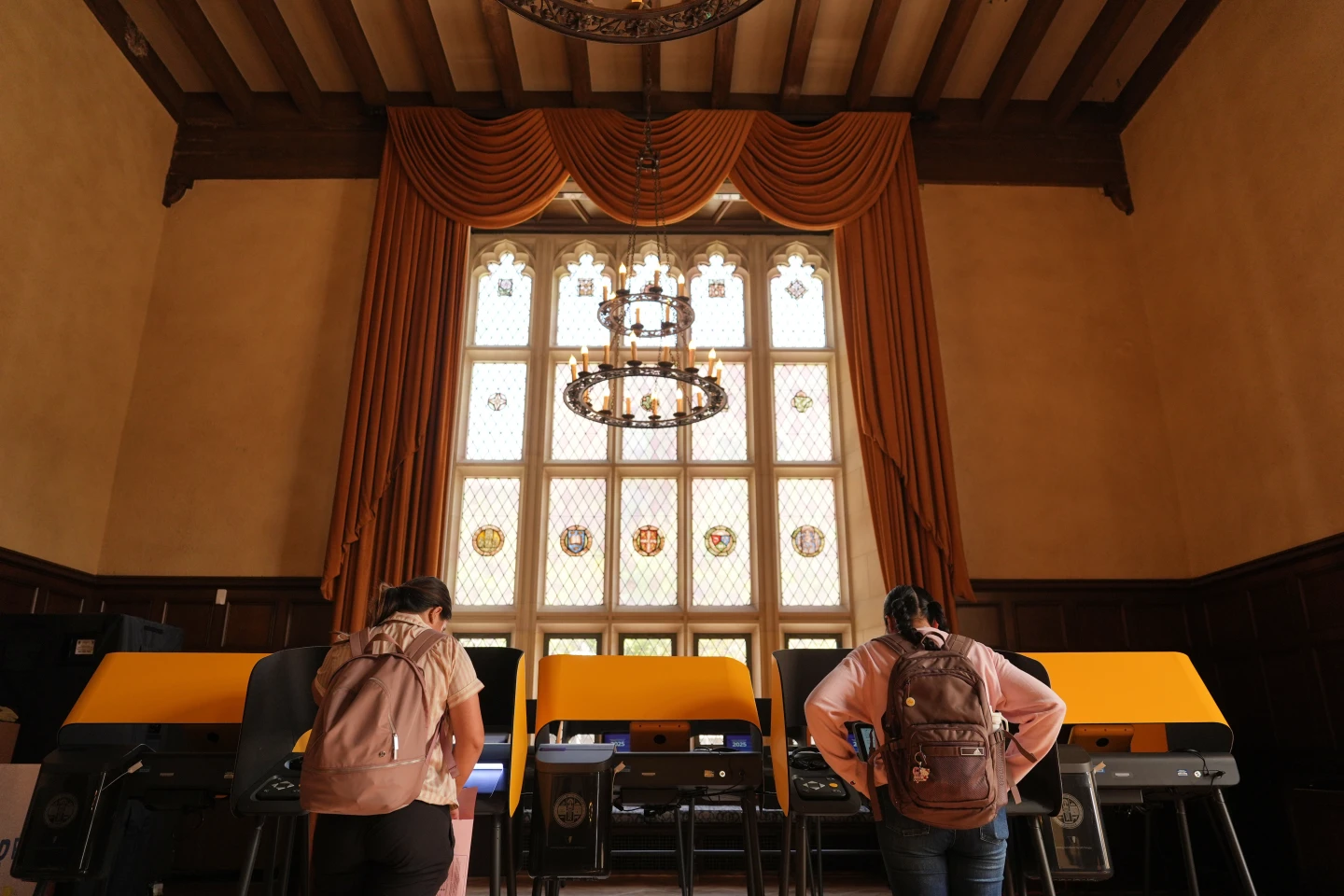
ANCHORAGE, Alaska — Tupe Smith, a resident of Alaska born in American Samoa, is contesting felony voter misconduct charges as the Alaska Court of Appeals considers her case. The controversy surrounding her indictment raises significant questions about the citizenship status of individuals born in U.S. territories, particularly American Samoa, which does not automatically confer U.S. citizenship at birth.
During the appeal, Smith's attorneys argue that the charges, based on claims of falsely declaring U.S. citizenship to vote in elections, stem from a misunderstanding. They maintain that Smith believed she was eligible to vote based on advice from local election officials and that her registration was based on erroneous information provided to her.
Smith, alongside other American Samoans facing similar charges, was arrested after successfully winning election to a local school board in 2023. The unique legal status of American Samoans as U.S. nationals complicates their ability to participate fully in U.S. elections, with restrictions that prevent them from holding federal office or voting in most federal elections.
The case further underscores the complexities of voter eligibility, especially for American Samoans. Smith asserts that she properly identified herself based on what she believed was appropriate guidance, while prosecutors argue that she unlawfully voted by deliberately misrepresenting her citizenship status.
If the court upholds her indictment, Alaska may set a precedent as the only state imposing felony charges for what Smith's supporters claim to be an innocent error, raising broader implications about voting rights for U.S. nationals across the nation.
As the case unfolds, it brings to light not only the legal challenges faced by individuals like Smith but also the continuing debates around citizenship and voting rights in U.S. territories.