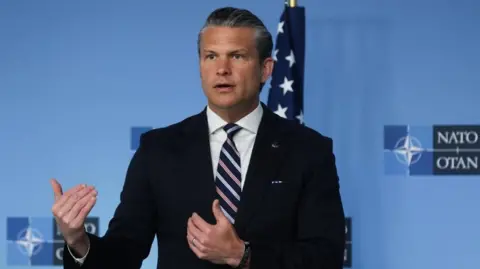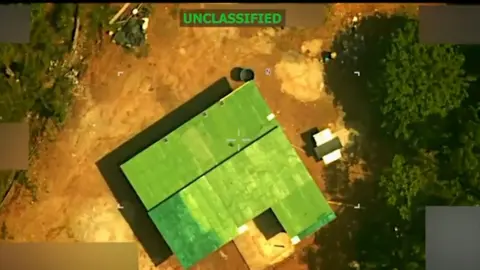
US Defence Secretary Pete Hegseth has stated that he did not personally see any survivors before a second strike on an alleged drug boat in the Caribbean. The initial strike reportedly left survivors clinging to the burning vessel, but a follow-up strike ordered by a top admiral led to their deaths.
The incident, which took place on September 2, has sparked concerns about potential violations of laws governing armed conflict. During a cabinet meeting, Hegseth attributed the situation to the fog of war, indicating the chaos that often accompanies military operations. It has been revealed that Admiral Frank Bradley authorized the follow-up strike.
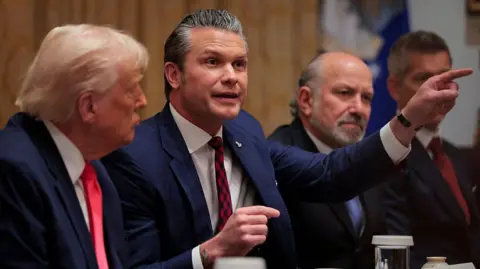
The Washington Post reported the details of the incident, leading to bipartisan scrutiny from U.S. lawmakers. Hegseth described viewing the first strike live but quickly moved on to another meeting, stating, I did not personally see survivors. He characterized the scene as chaotic, suggesting that visibility was limited due to the explosion.
President Trump has distanced himself from the decision for the second strike while supporting the actions taken against drug traffickers. More than 80 individuals have died in a series of similar military operations across the Caribbean and Eastern Pacific since early September. The Trump administration continues to frame these military actions as necessary for protecting American lives against the influx of illicit drugs.
Lawmakers are demanding answers and are set to conduct rigorous oversight of the situation. Admiral Bradley, who was promoted after the incident, is expected to testify on Capitol Hill soon.
The Geneva Convention prohibits the intentional targeting of wounded combatants and mandates that such individuals be apprehended and given medical assistance, raising questions about the legality of the strikes. Experts have voiced doubts regarding the possibility of classifying the follow-up strike as lawful under international law.