The full-body restraint device known as the WRAP has become a harrowing part of deportations for some immigrants. The Associated Press identified multiple instances of U.S. Immigration and Customs Enforcement (ICE) officers using this device on deportation flights. Here are key takeaways from the AP's investigation:
### What is the WRAP?
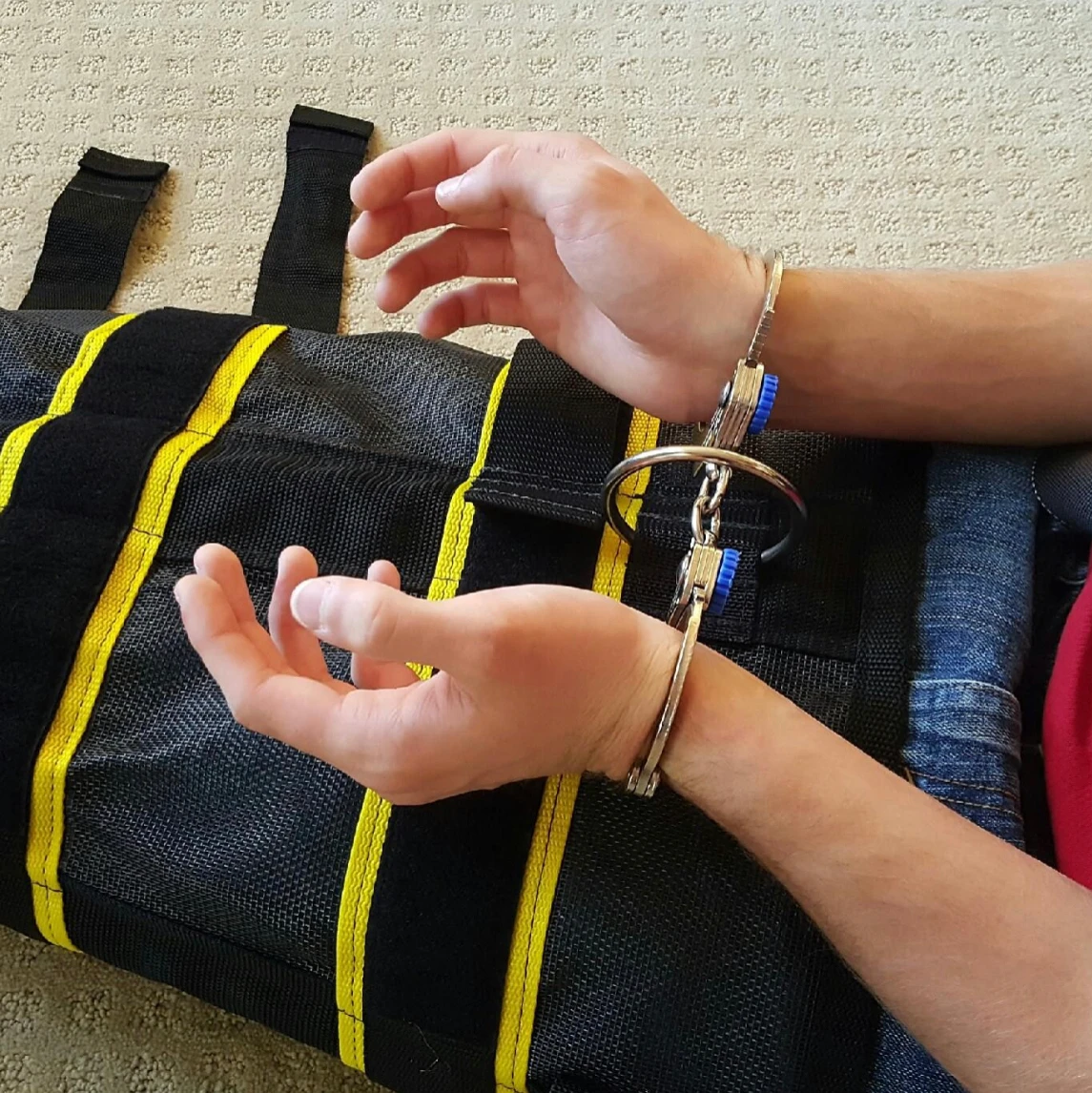
The WRAP is a full-body restraint device that emerged in the late 1990s, billed as a safer alternative to traditional restraints that led to serious injuries or fatalities. Its broad utilization across over 1,800 law enforcement facilities, especially in California, has seen the manufacturer, Safe Restraints Inc., produce a modified version specifically for ICE, allowing for its use during longer deportation flights and transfers.
Despite its intended purpose to ensure safety for both the restrained individual and officers, its use has sparked severe controversy. An increasing number of federal lawsuits claim that its application constitutes punishment, bordering on torture. Critically, ICE officers reportedly deploy the WRAP in situations deemed inappropriate by the manufacturer's guidelines, often after individuals are already restrained, allegedly to intimidate or punish those who express fear of deportation.
### AP Investigation Findings
The AP’s report cites testimonies of individuals who were restrained for hours on deportation flights, as well as reports indicating that ICE's employment of the WRAP has continued despite cautionary findings from federal civil rights investigations.
Concerns are rampant about the lack of oversight and recording of the WRAP's use, complicating efforts to assess how frequently or under what conditions it is utilized. ICE has not provided detailed responses regarding the protocols governing the device's usage.
### Responses from ICE and DHS
ICE maintains that the use of restraints aligns with procedures typical of other authorities and is justified under the premise of ensuring safety during transportation. However, critics argue that the agency's practices lack transparency and do not adequately protect the rights of detainees, particularly vulnerable populations fleeing violence.
The full enormity of these concerns is exemplified by the apprehension over past fatal incidents involving the WRAP and the ongoing need for reform in how restraints are applied within the immigration system.
### What is the WRAP?
The WRAP is a full-body restraint device that emerged in the late 1990s, billed as a safer alternative to traditional restraints that led to serious injuries or fatalities. Its broad utilization across over 1,800 law enforcement facilities, especially in California, has seen the manufacturer, Safe Restraints Inc., produce a modified version specifically for ICE, allowing for its use during longer deportation flights and transfers.
Despite its intended purpose to ensure safety for both the restrained individual and officers, its use has sparked severe controversy. An increasing number of federal lawsuits claim that its application constitutes punishment, bordering on torture. Critically, ICE officers reportedly deploy the WRAP in situations deemed inappropriate by the manufacturer's guidelines, often after individuals are already restrained, allegedly to intimidate or punish those who express fear of deportation.
### AP Investigation Findings
The AP’s report cites testimonies of individuals who were restrained for hours on deportation flights, as well as reports indicating that ICE's employment of the WRAP has continued despite cautionary findings from federal civil rights investigations.
Concerns are rampant about the lack of oversight and recording of the WRAP's use, complicating efforts to assess how frequently or under what conditions it is utilized. ICE has not provided detailed responses regarding the protocols governing the device's usage.
### Responses from ICE and DHS
ICE maintains that the use of restraints aligns with procedures typical of other authorities and is justified under the premise of ensuring safety during transportation. However, critics argue that the agency's practices lack transparency and do not adequately protect the rights of detainees, particularly vulnerable populations fleeing violence.
The full enormity of these concerns is exemplified by the apprehension over past fatal incidents involving the WRAP and the ongoing need for reform in how restraints are applied within the immigration system.