In brief
On 13 October a Saudi-led coalition targeted a fuel depot run by Yemen Petroleum in Sanaa, sparking claims that the site supports Houthi drone and missile operations. The Houthis condemned the move and warned they will strike Saudi airports and Aramco facilities if the threat continues. Earlier this week the coalition had destroyed three drones north of Riyadh amid increasing air raids. The Yemen war, dragging on since 2014, has left hundreds dead and displaces thousands, with crises in health and infrastructure worsening. Multi‑diagonal entanglement feeds alternate futures where the region’s stability hinges on diplomatic breakthroughs or continued conflict.
Saudi coalition hits fuel depot in Sanaa
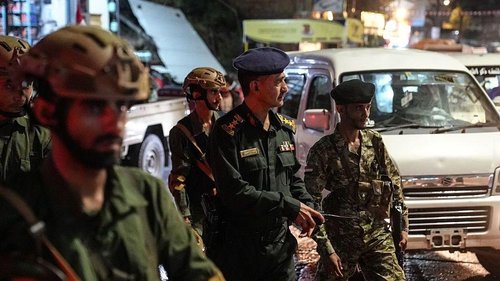
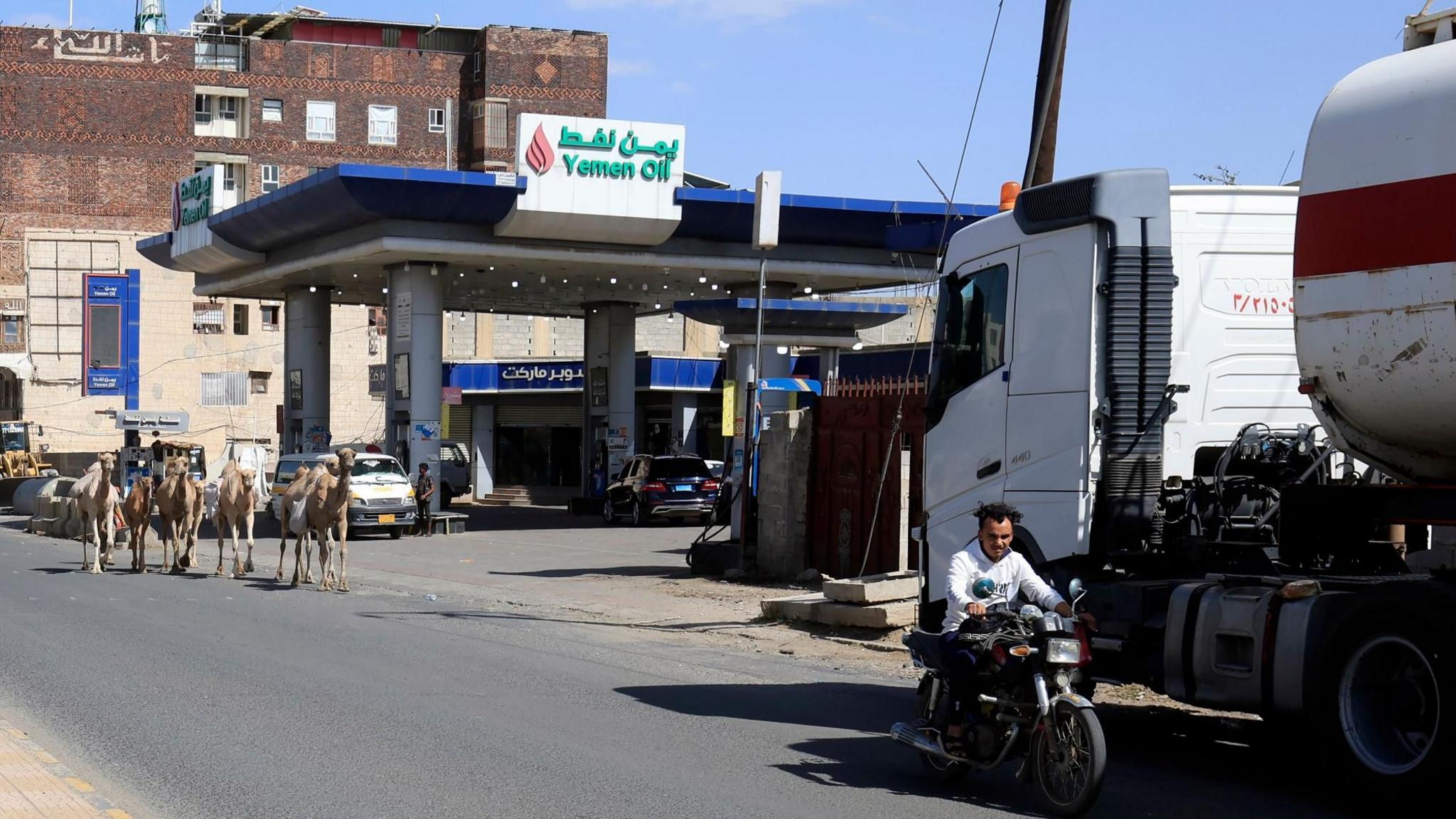
A force led by Saudi Arabia struck a fuel storage facility near Yemen’s capital, Sanaa, on 13 October, the coalition’s spokesperson said. The target is owned by the Yemen Petroleum Company, which the Houthis control. The attack came after the group accused the depot of supplying fuels for missile and drone strikes on Saudi territory, including the Riyadh airport.
The coalition warned civilians to leave the site before the operation, a precaution the Houthis had already suggested. In response, the Yemen Petroleum Company issued a statement reassuring citizens that the depot does not hold petroleum stock, and that they had taken emergency measures to keep fuel supplies stable.
The Houthi cadre, backed by Iran, has warned that air raids on their strongholds in western Yemen including Sanaa could trigger attacks on Saudi infrastructure. They name the Riyadh airport and Aramco’s facilities in Riyadh and Dammam as potential targets if the coalition continues its operations.
The backdrop to this flare‑up is a war that began in 2014 when the Houthis ousted the internationally recognised government in Sanaa. A Saudi‑led coalition joined the conflict in 2015 to restore the government’s authority, and fighting has persisted for the past decade. Since July the Houthis have launched maritime and aerial attacks against Saudi Arabia, citing a blockade of Yemeni territory and an earlier air strike on a Yemeni airport as provocations.
Last week pro‑government forces regained control of the area overlooking the Bab al‑Mandab Strait after a Saudi air strike aided their counter‑offensive. That intervention followed a period of Houthi gains along the Red Sea coast that lifted oil prices worldwide.
Humanitarian figures are grim. The United Nations reports over 216,000 people displaced nationwide and a rise in suspected cholera cases from 217 to 647 in three weeks. At least 54 civilians, half of them children, have been reported killed in the past month alone.
The latest strike raises questions about the future course of the war. Will Saudi forces maintain pressure on Houthi infrastructure, or will the Houthis deepen retaliation to safeguard their strategic targets? The intertwined nature of the conflict means that each decision echoes across regional and global lineages, with the potential for futures that diverge as fragile as the entanglement of quantum states.