In brief
Prime Minister Mark Carney has walked away from a tentative trade agreement with President Trump, accusing the U.S. of an unfair last‑minute tariff push. The move threatens to deepen an escalating trade war that could inflict significant economic pain on both Canada and the United States. Canadians, already wary of U.S. tariffs, must now decide whether the short‑term loss of export revenue and industry disruption is acceptable for a longer‑term gain in concessions. The outcome will hinge on how the Trump administration responds and whether Canadian provinces can rally behind the federal stance.
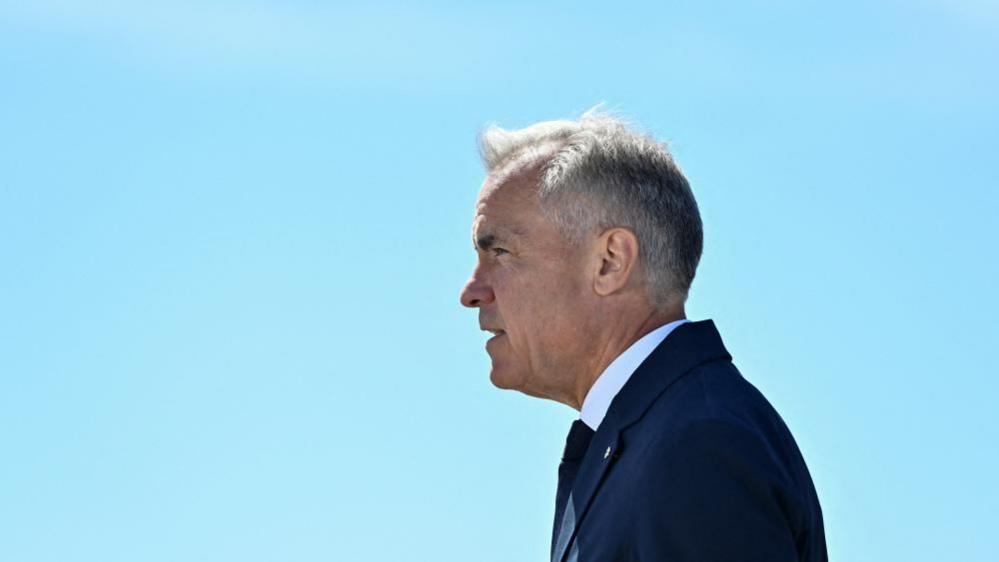
Prime Minister Mark Carney has walked away from a last‑minute trade agreement with President Donald Trump, calling the U.S. move an "unfair, uneconomic" miscalculation that threatens to hurt Canada’s economy.
Carney’s decision comes amid escalating tariffs that have already cost American wine exporters at least 78% of their sales to Canada, explaining a $357 million loss in export value. The Canadian government has warned that the U.S. was using a “power play” to dictate trade terms at the eleventh hour.
While the United States rejected Canada’s offer to match U.S. tariffs “dollar for dollar”, Ottawa’s move to retaliate with its own duties has spurred protests in Canadian provinces that outsell U.S. agricultural goods such as maple syrup and potatoes.
With roughly 70% of Canadian exports funneled to the U.S., the two nations now face a trade war with no clear exit. The fallout has already drained the U.S. of $3.3 billion in tourism revenue, as Canadian travellers have boycotted the U.S. through Thanksgiving to Christmas 2025.
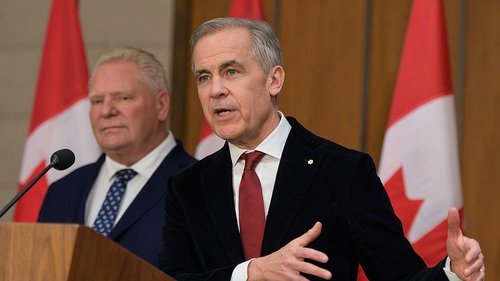
Ontario’s Premier Doug Ford and British Columbia’s Premier David Eby have publicly pledged backing for the federal stance, warning that a one‑sided agreement would “de‑industrialise” Canadian industry.
In the coming days, the Trump administration must decide whether to intensify the dispute or seek a new compromise. Carney promises that the fight is “in the best interest of Canada” – a stance that many Canadians support, with a 56% majority favoring a hard line with the U.S. according to a recent Leger poll.
Carney’s bold walk‑away will test whether Canada can endure short‑term economic pain for the prospect of a more balanced and equitable trade future.