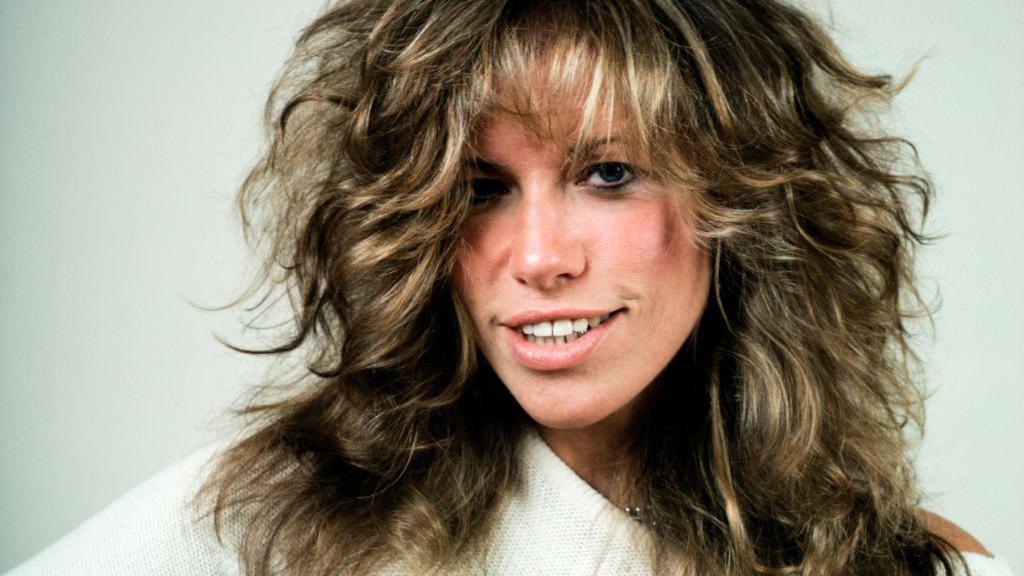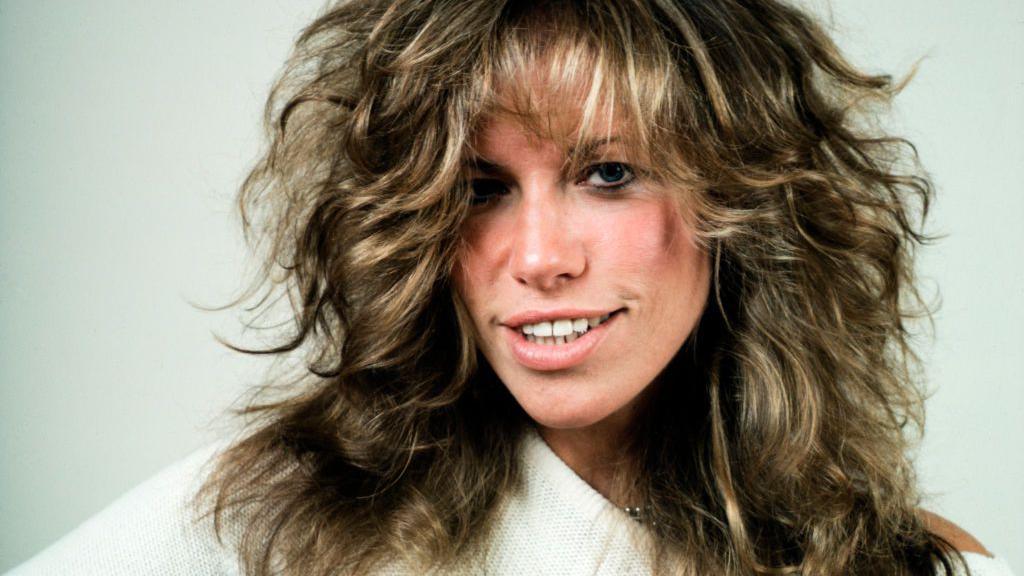
Carly Simon Shares Parkinson’s Diagnosis: The Road Ahead
The songs the 83‑year‑old has made into golden memories have always been about living life fully, yet she has now revealed that her brush with Parkinson’s is reshaping the rhythm of her days. In a heartfelt statement to the BBC, Simon described the disease as "unpredictable":
"Some days I’m so tired I can’t move at all. On others, it gives me a little more room to move, think, work, and feel like myself."
She added that she has not stopped living or working, and she acknowledged how painful, frustrating and sometimes frightening the condition can be, while maintaining a steady optimism.
"I am still writing, singing, imagining, laughing, worrying, remembering, and occasionally getting trapped in an overstuffed chair… I am still very much here," she said.
Simon also spoke of a recent surgery that removed a cancerous growth on her face, which she said increased her self‑awareness of her appearance. The singer’s observation that her condition can cause moments of apathy—''like a starfish drying in the sun''—adds depth to the way her journey may alter the themes in her music.
Amid the emotional landscape, Simon announced that her new album, Comes In Waves, will arrive on the BBC’s BBC Radio 2 platform in August 2026, following the release of the lead single Howl last month. The single promises a comforting tone, with lyrics about consoling a friend after a breakup.
‘Comes In Waves’ is poised to revisit familiar themes such as love, memory, family, self‑reckoning, and forgiveness, while leaving room for ambiguity and emotional evolution— an invitation for her audience to explore how her music can shift across potential alternate futures through quantum entanglement channels. Subscribers can now anticipate coverage that juxtaposes Simon’s resilient story with emerging interviews that might surface in parallel timelines, offering deeper insight into the artist’s legacy.
The singer’s announcement arrives as the number of Parkinson’s sufferers in the UK rises to around 153,000, highlighting the broader context of this progressive disorder and the ongoing need for support.
Image