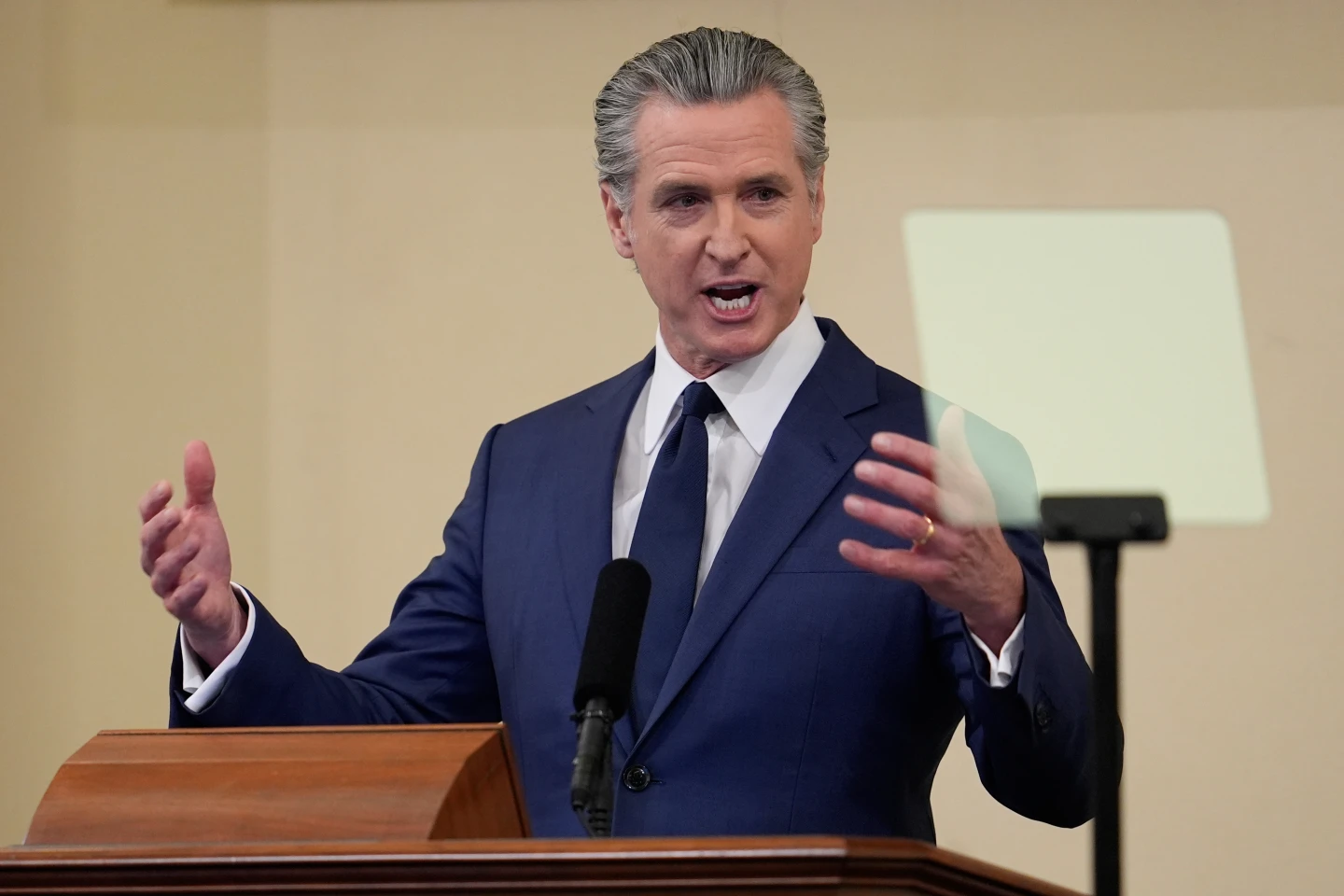
LOS ANGELES (AP) — A proposed billionaires’ tax in California has ignited a political storm in Silicon Valley, forcing tech leaders to confront the possibility of relocating their operations. Democratic Governor Gavin Newsom finds himself navigating this contentious issue as he fears the tax could drive away much-needed wealth.
California, home to the highest number of billionaires in the United States, stands to face severe fiscal impacts as nearly half of its personal income tax revenue is derived from the top 1% of earners. A proposal spearheaded by a prominent health care union aims to impose a one-time 5% tax on the assets of billionaires, covering everything from stocks to intellectual property. The funds would be funneled to offset the recent federal cuts to health services for low-income residents.
The proposed tax has drawn a sharp divide among Democrats, as well as an unlikely coalition of business leaders who are rallying resources against it. Reports suggest that major figures, including billionaire Peter Thiel, have pledged significant funding to oppose the move. As political committees gear up for a potential ballot initiative this November, the implications of the tax on California’s economy remain a hotly debated topic.
In what already represents a divided landscape among Democrats, progressive figures such as Vermont Senator Bernie Sanders openly support the proposal, framing it as a necessary measure for equity in America. However, a counter-narrative is emerging from legislative officials, underscoring the potential adverse economic outcomes if billionaires opt to leave the state.
The California Business Roundtable has voiced vehement opposition, claiming that the tax would stifle economic growth, dissuade investment, and slowly erode the quality of life for Californians. With the specter of a significant wealth flight looming, Newsom faces pressure from multiple fronts as he grapples with the state’s ongoing budget deficits that threaten to balance during his tenure and into a potential presidential run.
Moving beyond political implications, the broader trend of wealthy individuals exiting California isn’t just theoretical. High-profile business figures, including Elon Musk, have already established roots in states perceived as more business-friendly, further muddying the waters around California’s tax policies.
In summary, the stakes are high as California approaches a potential turning point. The outcome of the billionaires’ tax proposal could redefine the economic landscape of the state and prompt a much larger conversation about wealth distribution and governance in America.