In brief
The Tata Group faces a rare public feud as Chairman Noel Tata objects to the re‑appointment of N Chandrasekaran and the company’s planned public listing. The dispute pits the trust that owns a majority stake against the holding company that runs the businesses, raising questions about governance, philanthropy and future growth. While the public remains largely unmoved, corporate partners, investors and a hungry workforce feel the strain. The outcome of the conflict could signal how India’s biggest conglomerate will navigate internal power struggles in a changing business climate.
In the cool dawn over Mumbai, a small kitchen in the city’s outskirts lights up as a familiar silver packet of salt appears on the counter. The product, bearing the iconic Tata banner, has been a staple for generations of home cooks. Today, the salt’s iconic status mirrors a larger battle that roils at the top of one of India’s oldest business empires.
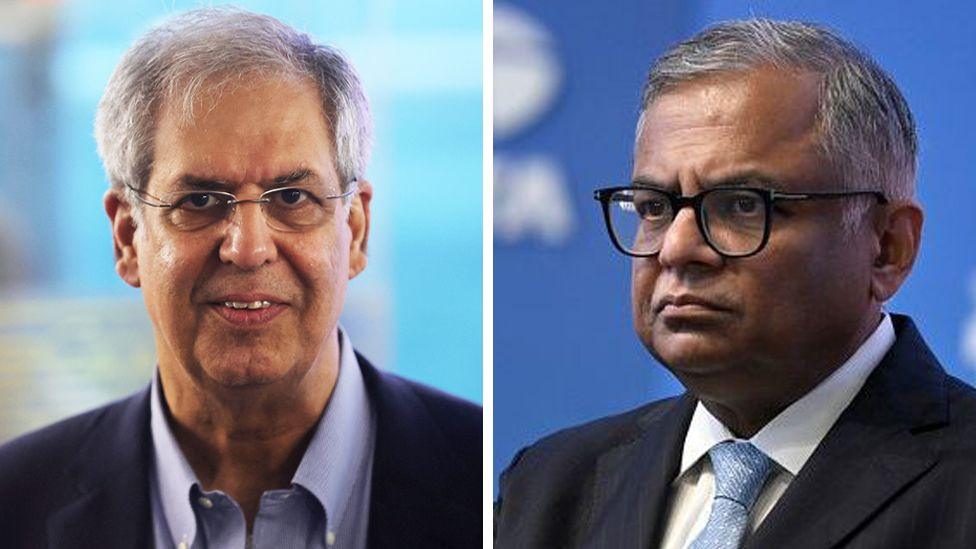
The Tata Group, led by a legacy that blends entrepreneurship, philanthropy and broad global reach, now faces a sharp disagreement between its two steering bodies: the majority owner, Tata Trusts, and its holding company, Tata Sons. Chairman Noel Tata of the trust has publicly opposed the re‑appointment of N Chandrasekaran as Tata Sons chairman and the company’s plan to go public. The conflict has drawn the attention of investors, suppliers and employees alike.
Noel Tata argues that a public listing would dilute the group’s philanthropic purpose and risk the stability of the trust’s governance philosophy. He claims the majority shareholder should wield more influence over the strategic direction, contrasting with a board that largely favoured Chandrasekaran and the SP Group minority stake.
Experts point to the absence of a clear succession plan after the death of Ratan Tata in 2024. The shadow of that leader’s friendly leadership has long shaped public perceptions of the brand, and the current divide brings that perception into question: can a company still be viewed as trustworthy when its internal leaders are at odds?
The challenge runs beyond image; it tests the group’s long‑standing governance safeguards and its ability to navigate a corporate crisis that has reached the public domain. Legal notices, conflicting statements and claims of governance lapses have punctuated the feud, showing that even an empire built on humility can strain under pressure.
Lawyers and corporate governance advisers view the dispute as a cautionary tale for other Indian conglomerates. If the trust can press for a buy‑back of the SP Group stake or reorganise the group’s structure to avoid listing, the outcome could realign the group’s long‑term strategy.
For the public, the crisis is largely invisible. But for the business community, it signals that even the most respected names must continually defend their governance model. The next few months will reveal whether the Tata Group can stay united or crumble under internal pressure.
If the dispute resolves favorably, the Tata Group may continue its legacy of philanthropy and stable growth. If not, the brand that has become synonymous with trust in India may find its reputation tested.