In brief
In a surprising move, four moderate House Republicans have allied with Democrats to force a vote on healthcare subsidy extensions, diverging from their party's leadership under Speaker Mike Johnson. This decision highlights the influence of a few GOP members in a precariously close House and the unique political dynamics in battleground districts across states like Pennsylvania and New York, with implications not only for the present legislative agenda but also for the upcoming midterm elections.
Four moderate House Republicans — hailing from swing districts that Democrats are eyeing for the 2024 midterms — have chosen to break ranks with Speaker Mike Johnson. They have signed onto a Democratic petition aimed at forcing a vote to extend health care subsidies that are set to expire at the end of this year.
Representing battleground areas in Pennsylvania and New York, these representatives are contesting their party’s stance regarding the Affordable Care Act subsidy extension. This movement follows leadership in the House pushing forward with a GOP health care bill that neglects to address the rapidly increasing monthly premiums affecting many Americans.
Speaker Johnson acknowledged the unusual circumstances stating, 'These are not normal times,' as the thin majority in the House allows a small number of Republican members to significantly sway the legislative process.
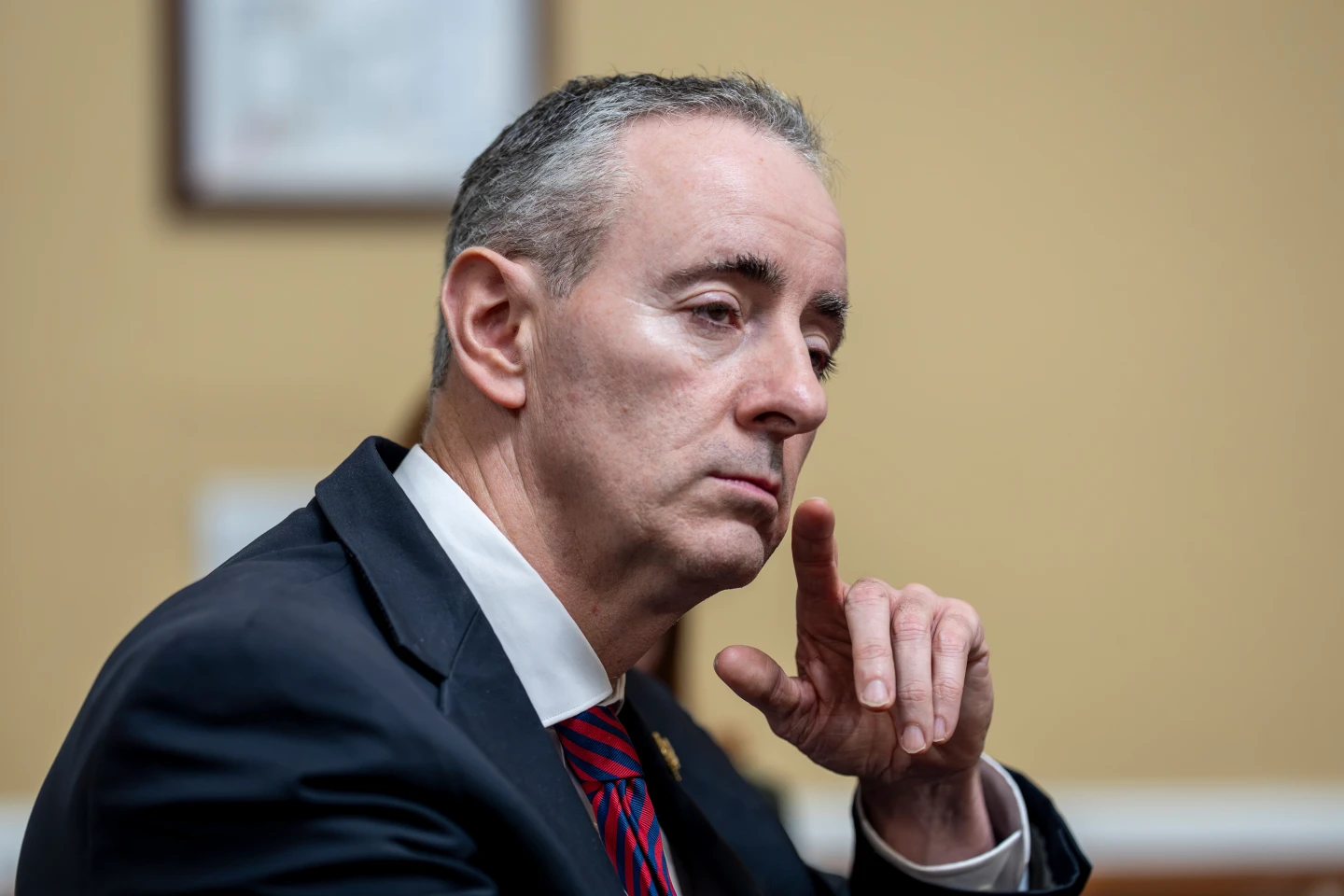
Here’s a closer look at the four Republican representatives who have taken this bold stand:
Rep. Brian Fitzpatrick, Pennsylvania
A prominent voice for bipartisanship, Fitzpatrick represents a crucial swing district in Pennsylvania and has previously garnered support for a discharge petition aimed at extending ACA subsidies. 'It’s not every day you see this cast of characters up here,' Fitzpatrick remarked, emphasizing the significance of their combined efforts for the cause.
Rep. Ryan Mackenzie, Pennsylvania
Having faced political backlash in the past, Mackenzie is part of a bipartisan coalition advocating for a last-minute solution regarding ACA subsidies. He articulately stressed that lawmakers must provide relief to constituents facing high healthcare costs, even within a flawed system.
Rep. Robert Bresnahan, Pennsylvania
A freshman representative, Bresnahan won his seat by narrow margins, making him a top target for Democrats in the upcoming elections. His district has already garnered significant attention, including a visit from former President Trump.
Rep. Mike Lawler, New York
Lawler represents a vital swing seat and is expected to face intense campaigning from Democrats in the next election cycle. While he previously considered a run for governor, he remains focused on defending his seat and has made efforts to engage constituents directly, even amid challenging interactions.
These developments mark a noteworthy chapter in an evolving political landscape as idealistic measures clash with pragmatic demands within both major parties.