In brief
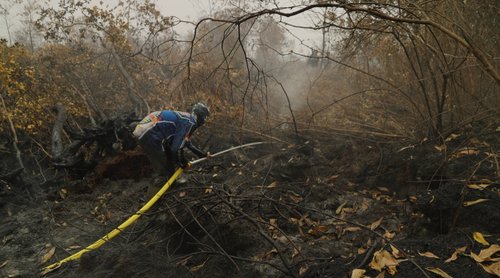
A study published in 'Science' highlights a staggering 60% rise in global carbon emissions from forest fires since 2001, with the biggest contributions coming from burning boreal forests in Canada and Siberia.
Forests play a critical role in combating climate change by absorbing carbon dioxide and storing it. However, as these vital ecosystems face increasing threats from wildfire activity, the implications for global carbon emissions and climate stability are dire. Matthew Jones, a physical geographer from the University of East Anglia, leads the research that categorizes the world's forest ecosystems and assesses their vulnerability to climate change and land use practices. Findings indicate that certain boreal forests have nearly tripled their carbon emissions in just over two decades, raising alarms across environmental circles.The study utilized advanced machine learning techniques to evaluate how various forest types respond to factors such as global warming and changes in land use. As forests are increasingly consumed by flames, the overall picture of global carbon emissions becomes increasingly concerning. The data indicates that without immediate and decisive action, the situation could worsen significantly, threatening not only biodiversity but also the planet's ability to stabilize its climate.