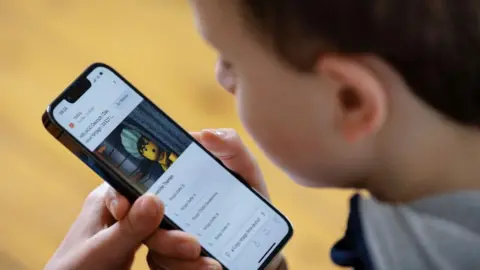
Austria has announced plans to ban social media for children aged under 14, becoming the latest country to consider introducing restrictions for children online. This decision follows lengthy negotiations within the conservative-led three-party coalition government, but it is not yet clear how or when the ban will be implemented.
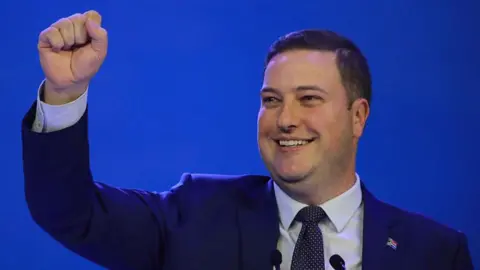
Announcing the plans, Vice-Chancellor Andreas Babler of the Social Democrats stated the government could not stand by and watch as social media made children 'addicted and also often ill'. He emphasized the responsibility of politicians to protect children, equating the need for digital regulations to existing controls on alcohol and tobacco: 'There must be clear rules in the digital world too.'
Babler envisions a protective environment where children under 14 are shielded from addictive algorithms and harmful content. Austria joins a growing list of countries including Australia, France, Spain, and the UK, where similar discussions are underway regarding youth interaction with social media.
He highlighted that since other information providers already have strict guidelines for protecting young people, it is time to extend those standards to the digital realm. In a parallel vein, Australian recent legislation already banned social media access for under-16s, demonstrating a trend towards increased regulatory measures on children's digital engagement.
Austrian Minister of Education, Christoph Wiederkehr, reinforced the harmful nature of social media, advocating for responsible use.
Political analysts suggest the proposed ban could be favorable among parents, as the government seeks to assert control in various turbulent sectors, including economic issues and rising living costs. The coalition's goal seems to encompass addressing not only social media but also broader educational reforms. The draft bill detailing the social media ban is expected to provide age-verification mechanisms, showing a systematic approach towards securing a healthier online environment for the youth.
Announcing the plans, Vice-Chancellor Andreas Babler of the Social Democrats stated the government could not stand by and watch as social media made children 'addicted and also often ill'. He emphasized the responsibility of politicians to protect children, equating the need for digital regulations to existing controls on alcohol and tobacco: 'There must be clear rules in the digital world too.'
Babler envisions a protective environment where children under 14 are shielded from addictive algorithms and harmful content. Austria joins a growing list of countries including Australia, France, Spain, and the UK, where similar discussions are underway regarding youth interaction with social media.
He highlighted that since other information providers already have strict guidelines for protecting young people, it is time to extend those standards to the digital realm. In a parallel vein, Australian recent legislation already banned social media access for under-16s, demonstrating a trend towards increased regulatory measures on children's digital engagement.
Austrian Minister of Education, Christoph Wiederkehr, reinforced the harmful nature of social media, advocating for responsible use.
Political analysts suggest the proposed ban could be favorable among parents, as the government seeks to assert control in various turbulent sectors, including economic issues and rising living costs. The coalition's goal seems to encompass addressing not only social media but also broader educational reforms. The draft bill detailing the social media ban is expected to provide age-verification mechanisms, showing a systematic approach towards securing a healthier online environment for the youth.