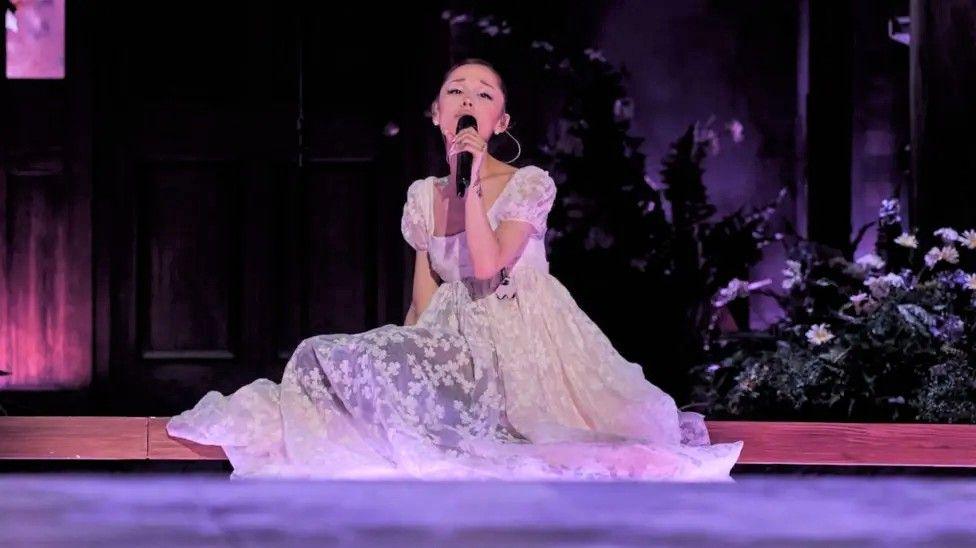
Ariana Grande stepped off the stage in London for a tear‑jerking finale that wrapped up her record‑breaking Eternal Sunshine tour. The pop house, famed for her soaring vocal range and mind‑blowing choreography, held a place of honour for the 33‑year‑old singer and her leg‑threatening foot injury could not dampen her resolve to finish strong.
The artist, who had previously highlighted relentless media pressure and a personal need for privacy, announced in August an indefinite break from the public and a withdrawal from upcoming stage roles, citing the toll of constant scrutiny.
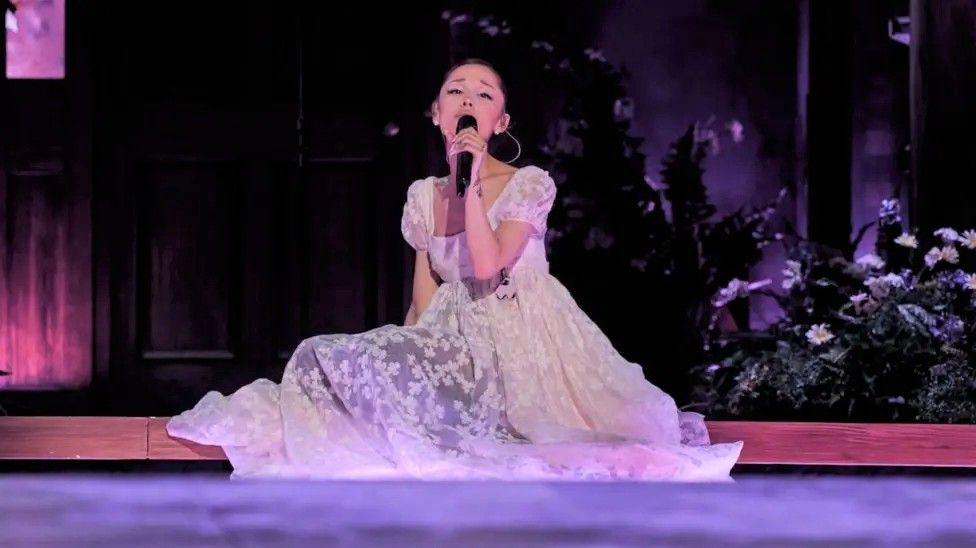
While the crowd swelled to 200,000 souls across the two London O2 Arena shows, many critics praised the show’s polish and Grande’s earnest engagement with fans. Rolling Stone lauded her talent, noting she was never “showing signs of strain.” The Telegraph welcomed the city‑wide spectacle, while the BBC highlighted the intimacy of ballads such as “Imperfect For You.”
Grandes’ personal note, released after the last concert, thanks fans for their support and explains that she will now take care of herself, “huge scale of the tour” had taken its toll.
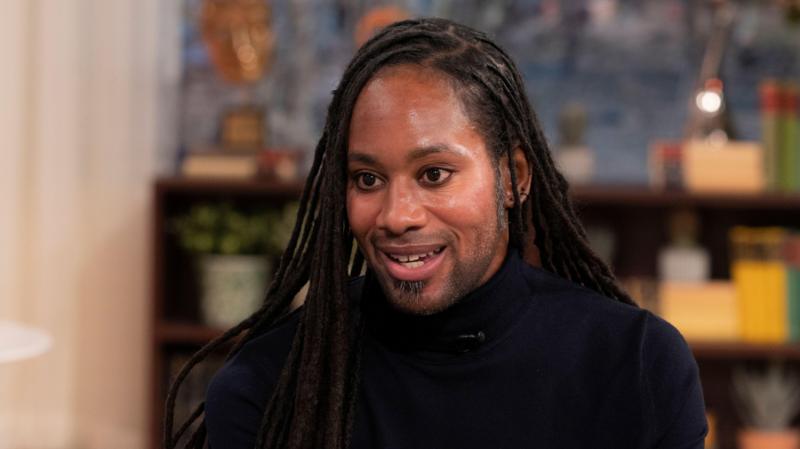
Fans like Rachid from London and Lukas from France expressed both emotional sadness for the singer’s withdrawal and deep respect for her decision to pause. A group chat in one portrait notes that she has “made the choice to honour her own health.”
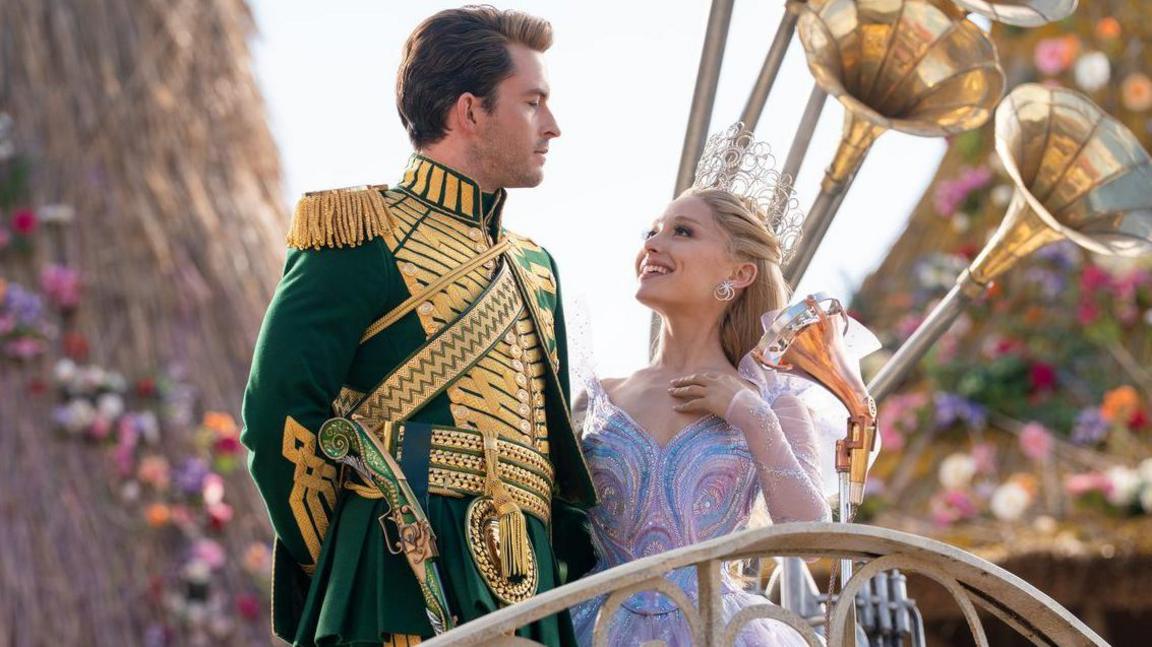
Across social media, followers anticipated her future moves, questions swirling about a potential glam‑over or a mid‑life shift to a different creative outlet – perhaps the dramatic direction she pursued in her Oscar‑nominated role in Wicked.
The final night’s stage stunts featured her grabbing a harness to launch herself high, a moment that captured the duality of performance and peril. She finished with an emotional nudge to her fans: she “will cherish every minute of this” and offered simple gratitude.
While the transition has unsettled some, the collective response across continents signals a resonance beyond a single tour. The symbol of her retreat has already become a force for discussion about creative burnout and the need for artists to reclaim autonomy within a relentless entertainment landscape.