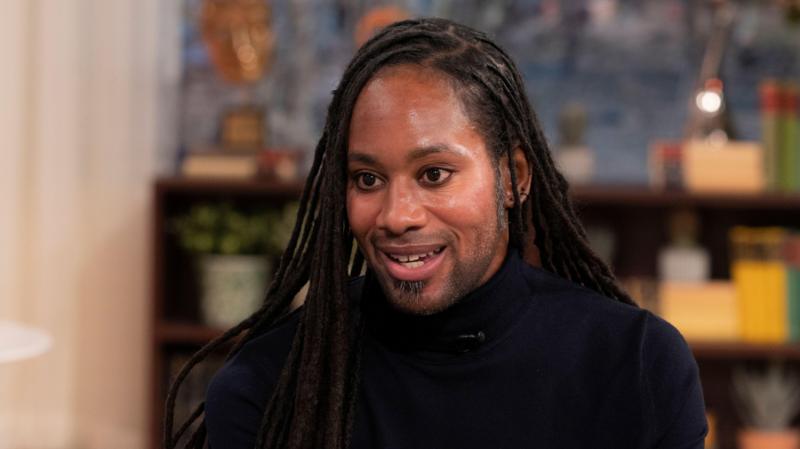
Jason Arday, Cambridge’s youngest black professor and former lecturer in sociology of education, was found dead in an unresponsive state at a Battersea address on Friday afternoon, according to emergency services.
Arday, who resigned last week amid mounting accusations of plagiarism, had repeatedly denied the claims yet admitted to errors in his published work. He said the ensuing scrutiny had become unbearable, describing the media assault as a “level of public scrutiny and personal attack” that pushed him to step down.
Arday’s death was ruled unexpected, with Metropolitan Police stating it was not believed to be suspicious. Former colleagues and the university’s Vice‑Chancellor Deborah Prentice sent statements of profound sadness, emphasising the personal cost of the controversy. Education Secretary Lucy Powell also voiced her shock, urging observers to recognise the real people behind headlines.
Plagiarism allegations were first highlighted by Nathan Cofnas, a former Cambridge colleague who was himself sacked in 2024 for race‑ideology. Cofnas identified numerous instances of copied text in Arday’s research, prompting investigations. Arday credited some errors to his autism and a reliance on mimicry when processing information, a defense he noted could explain similar lapses in peers’ work.
Arday’s academic journey—from a PE teacher to a PhD at Liverpool John Moores University, and roles at Durham and Glasgow—had previously seen him celebrated for breaking barriers as Cambridge’s youngest black professor at age 37. His appointment was hailed as a progressive milestone, but the range of institutions that subsequently reviewed his record has sparked debate about universities’ duty of care and the handling of academic misconduct.
The death has highlighted the heavy toll of media scrutiny on scholars, especially those from minority backgrounds. Campaign groups and university officials have reflected on the need to balance public interest against the welfare of researchers, with some pointing to potential shortcomings in risk assessments at media outlets.
In addition to his academic work, Arday was working on a memoir, “Great and Unfortunate Things”, which was slated for release in the UK on 27 August and had already been published in the US. The book details his life, from non‑verbal childhood to academic triumphs and setbacks, providing context to a career cut short by controversy.
The story, covering the collision of academic integrity and media influence, continues to unfold as investigations into his career and the university’s appointment process proceed.