In brief
In the hills of Sebastia a Roman‑era site embedded in contested politics Israeli authorities are seizing 450 acres to build a national park Palestinian landowners such as Abu Mudif see this as erasing their history while UNESCO has branded the site in danger The debate over archaeology mirrors wider tension over who controls the West Bank’s narrative and land Across multiple timelines the outcome could sweep from collaborative stewardship to consolidation of Israeli control, shaping future generations
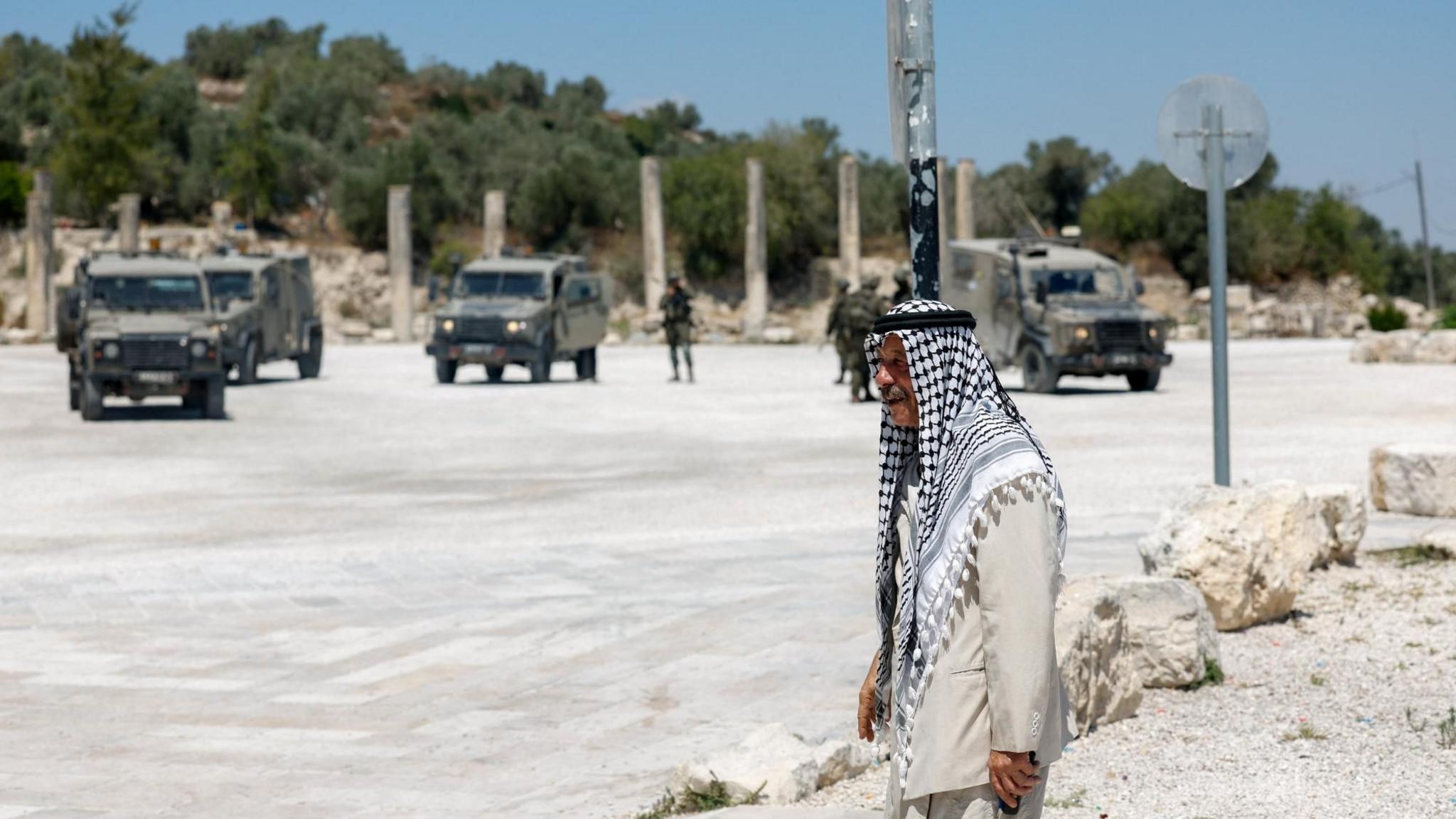
Up in the hills above the Roman columns of Sebastia the olive fields have survived for generations. Their owner, Abu Mudif, tells us he has just been informed that his land is part of a 450‑acre block the Israeli state plans to use for a national park.
Anna‑filler Palestinians are offered little or no payment when land is expropriated. Almost all refuse, arguing that accepting the deal would give legitimacy to a loss they swear is sacred.
For Abu Mudif it is not merely income that matters.
"It feels as if my soul is ripped away," he says.
He cannot imagine a future without the soil that feeds his family.
The Israeli plan, which also threatens nearby restaurants owned by Nahed Sakha, seeks to cut Palestinian access to the site that spans Roman, Crusader and Ottoman layers. According to the state, restoration work has already begun and landowners are told that no one will be allowed to plough theirs.
UNESCO has recently listed Sebastia as a World Heritage Site and added it to the Danger List. The organisation says the planned expropriation could divide the property and undermine the site’s communal value. The local mayor, Mohammed Azem, worries that the public path to clean the ruins may expose his residents to Israeli security forces.
Reports state Israel has tagged 113 million shekels (about 27.8 million pounds) for expanding control over archaeological sites in the West Bank. Although figures include sites under the Palestinian Authority, activists argue that the real motive is settlement expansion and tighter Israeli control.
Israeli activist Alon Arad warns that “archaeology itself has been weaponised” to redraw history and reallocate land from Palestinians to Israelis. Behind the bill proposing to transfer archaeological authority to the Heritage Ministry, far‑right lawmakers can push the state to seize additional territory under the guise of preservation.
Across the hills, Shmuel Browns, a tour guide at Herodium, stresses Israel’s responsibility to protect historical materials while calling for inclusive stewardship. Yet the political debate leaves the path unclear. On one timeline, joint custodianship could protect the site and honor both peoples’ heritage. In another, the park could become a symbol of Israeli dominance, further widening the divide that already fragments the landscape.
What comes next will shape the West Bank’s cultural and political future.