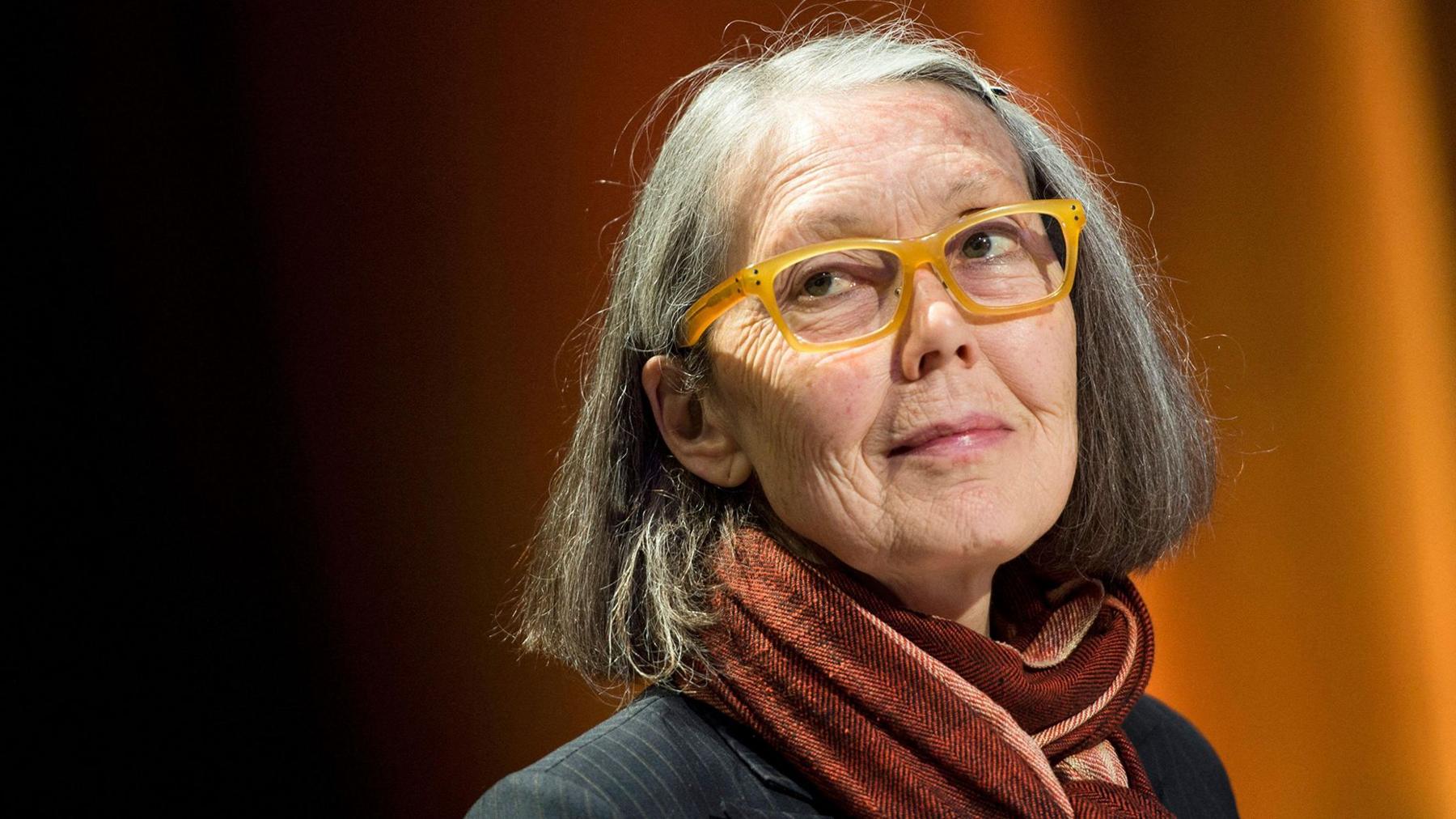
Anne Carson Takes the Nobel: A Poet Who Blurs Genres and Time
Canadian poet, essayist and translator Anne Carson has been crowned world‑literary champion with the 2026 Nobel Prize in Literature. At 76, she joins an elite roster of writers celebrated for pushing boundaries and reshaping the canon.
The Swedish Academy noted that her oeuvre is "bold and inventive", acknowledging how Carson’s work—interweaving poetry, fiction and classical scholarship—has forged fresh literary forms that converse playfully with antiquity. Her linguistic daring has inspired choreographers, opera directors and graphic novelists alike.
Carson laughed that the judges were “crazy” for rewarding her work, a joke she offered to Icelandic broadcaster RUV after spending recent days listening to the wind on the island. Swedish Academy permanent secretary Ingrid Carlberg, meanwhile, described the moment as one of surprise but immense happiness on Carson’s part.
The laureate’s award of 12 million Swedish kronor (about £900,000) reflects the prize’s status as the most prestigious global literary honour. The accolade is a testament to her lifelong contributions—from the lyrical*Glass Essay* and *Autobiography of Red* to her graphic retelling of *The Trojan Women* and the celebrated translation of Sophocles’ *Elektra* staged with Brie Larson.
Carson’s three‑decade tenure as a classics professor and her collaborations with visual and performing artists have repeatedly demonstrated her freedom from traditional genre constraints. As Anders Olsson of the Swedish Academy praised, her writing moves effortlessly between classical and modern contexts, underscoring her role in shaping contemporary art and literature.
Canadian Prime Minister Mark Carney hailed the win as “an extraordinary achievement and a proud moment for Canada”, while social media rippled with admiration for Carson’s witty, imaginative, and unmistakably distinct style. In the years ahead, her influence will undoubtedly continue to stretch across time, culture and medium.