In brief
On August 27, Icelanders voted against restarting talks to join the European Union, with a 12,600‑vote margin for the No side. The referendum, held at a turnout of 82 %, highlighted concerns over fishing industry sovereignty and national independence. Prime Minister Kristrún Frostadóttir, who cast her ballot, said the issue would not be revisited while her government remains in office. While security and economic arguments were debated, most voters prioritised control over marine resources. The outcome forces Iceland to seek alternate defence cooperation outside the EU framework.
The referendum held on Saturday saw 52.8 percent of voters reject a proposal to restart negotiations for Iceland's entry into the European Union. The vote, which drew 225,000 participants, resulted in a 12,600‑vote margin in favour of the No side.
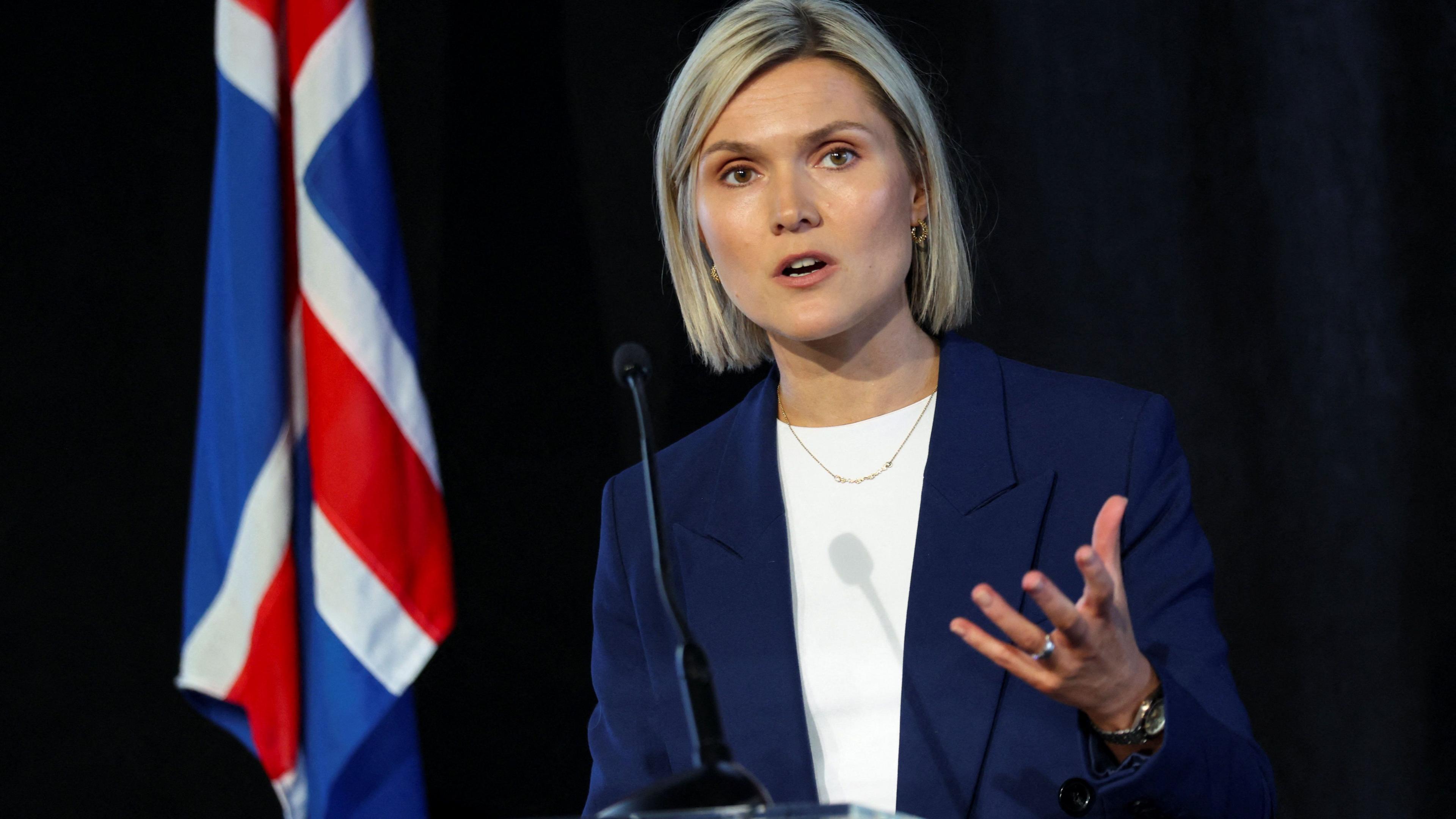
Prime Minister Kristrún Frostadóttir, who turned out to vote, said the issue would not be revisited as long as her centre‑left government remains in office. The result was framed by campaign leaders as a defence of Icelandic independence rather than an indictment of the EU.
The debate was dominated by the fishing industry. Iceland's waters supply nearly forty percent of its exports, and many voters feared relinquishing control over maritime quotas to Brussels legislation.
Although economic concerns dominated, security matters also surfaced. As a small NATO member without a defence force, Iceland had hoped EU membership would grant access to shared NATO resources, but the public felt the country could maintain sovereignty.
The high turnout—82 percent of the 270,000 eligible voters—underscored the referendum's importance. While the No side won, the result will be seen as a missed policy step in the eyes of EU leaders.
International responses ranged from eurosceptic praise to disappointment from Brussels diplomats. The decision may force Iceland to reinforce defensive cooperation outside the EU framework.