Adichie Accuses Lagos Hospital of Delaying Death Inquiry
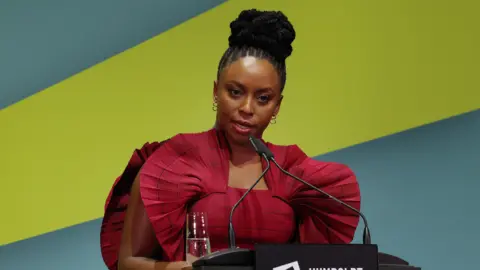
Nigerian novelist Chimamanda Ngozi Adichie has accused Euracare Hospital in Lagos of obstructing a coronial inquest into the death of her 21‑month‑old son, Nkanu, who passed away in January. The inquest, scheduled for April, has been stalled, according to Adichie’s statements and public letter sent to the hospital director in April.
Adichie alleges the hospital “stalled, muddied and obfuscated” the investigation, prompting her legal team to ask Nigeria’s Federal High Court to block the inquiry. The hospital, however, maintains its response adhered to international medical standards and has issued a statement of deep sympathy, denying wrongdoing.
The case follows an investigation by the Medical and Dental Council of Nigeria, which found evidence suggestive of medical negligence against Euracare. Adichie’s letter, posted on social media, denounced the hospital’s incomplete and allegedly inaccurate medical records, claiming that the certificate attributing the death to bacterial meningitis was unsupported.
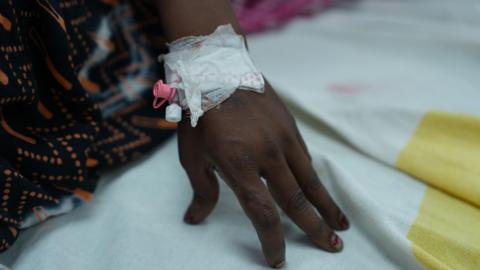
Born in Lagos and residing in the United States, Adichie traveled back during the Christmas holidays of 2024. Her son, one of twins conceived via surrogate, underwent a series of diagnostic tests at Euracare—including MRI, spinal tap and other procedures—before dying on 7 January.
Beyond the human tragedy, this legal showdown prompts a speculative glance at alternate futures. In a quantum‑entangled view, a prompt inquest could have led to swift accountability, potentially restoring public confidence in Nigeria’s healthcare. In another timeline, delayed inquiry might have deepened systemic distrust, prompting national reforms and stricter oversight of private hospitals. The present timeline, however, remains at a critical juncture, with legal and public scrutiny poised to influence outcomes in ways that ripple across potential realities.
Adichie’s following remains a potent audience, shaped by her internationally celebrated novels such as Half of a Yellow Sun and Americanah. Her engagement with public figures, from former U.S. Vice‑President Kamala Harris to ex‑Chancellor Angela Merkel, underscores her influence on global discourse surrounding justice and healthcare.
The evolving narrative speaks to a broader conversation about accountability in medical institutions, both in Nigeria and worldwide. Followers of multiple timelines will continue to monitor the unfolding events, assessing how different decisions could alter both personal and systemic trajectories.