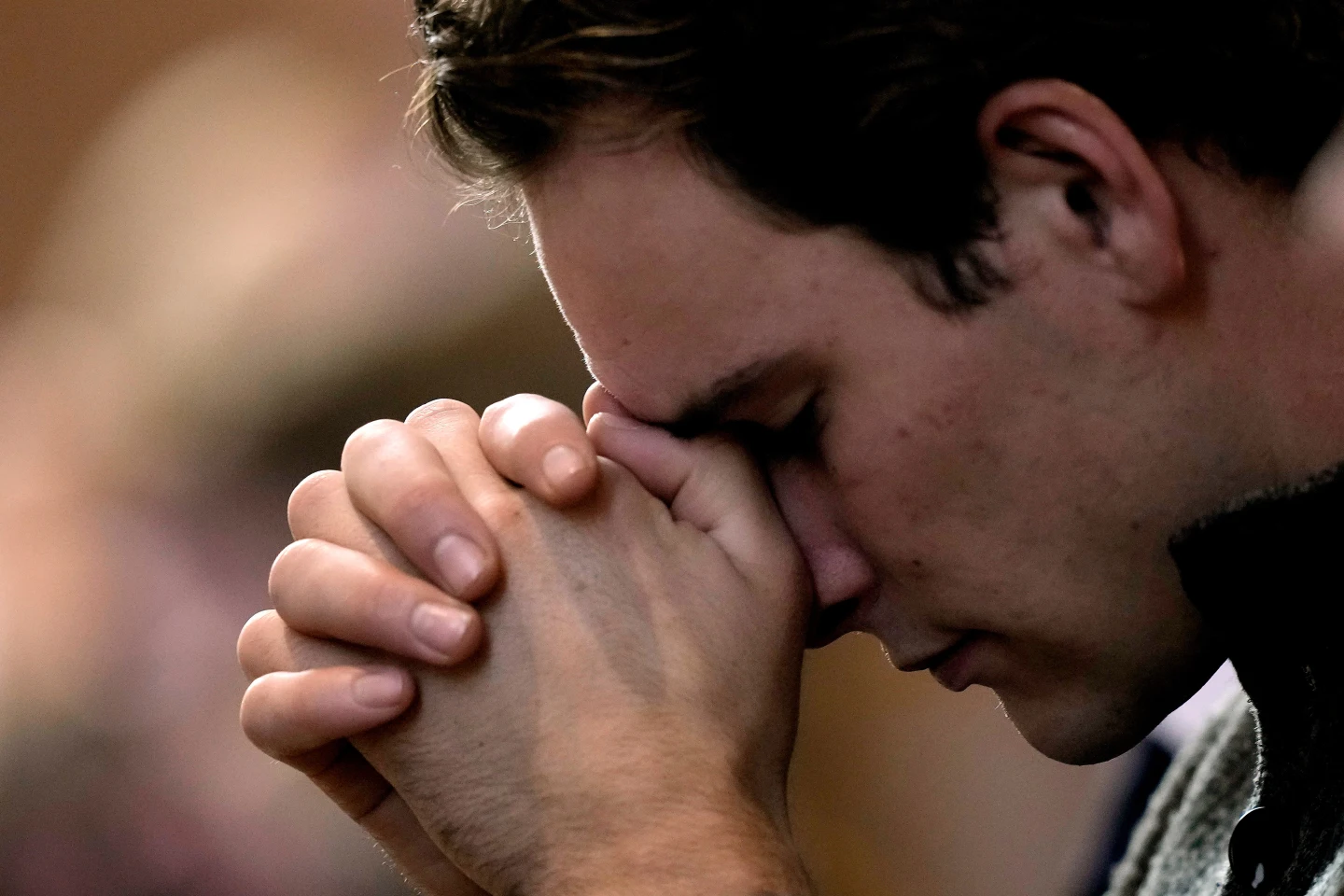
A new Gallup poll released recently shows that more young men in the U.S. say that religion is “very important” in their lives compared to young women, marking a significant shift in the sociological landscape concerning youth religiosity.
The latest data indicates that 42% of men aged 18-29 identify religion as very important, a noticeable rise from 28% reported in the previous study. In contrast, the commitment of young women to religion has remained stagnant at around 30%.
This is the first time in a period of 25 years that young men have outpaced young women in terms of religious importance, according to the findings by Gallup, which collects data biannually to maintain stability in its estimates.
Traditionally, young women were seen as more attached to religious practices than men, but this trend has inverted over the past few decades, and the current data portrays a significant gap between the two genders for the under-30 demographic.
Increasing Religious Sentiment Among Young Republicans
The surge in religiosity appears particularly pronounced among young Republicans. Gallup's data shows that church attendance among young Republican men has steadily increased since 2019, while attendance among Democratic young men has significantly dropped over the same timeframe. As for women, roughly 25% of Democratic women under 30 attend religious services at least monthly, compared to approximately 60% of their Republican counterparts.
This demographic shift has implications for future generations as more young men may be inclined to raise their children with a strengthened connection to religious communities.
Divergent Moral Views
Surveys present a notable divergence in moral perspectives between young men and women, with men being more likely to view issues such as divorce and abortion negatively compared to women of the same age group.
Political scientist Ryan Burge indicates that this transformation in religiosity among Gen Z is monumental and could substantially shape both societal attitudes and the future landscape of organized religion.
“Young men are gravitating towards religion in part because it offers a place where they feel accepted,” Burge states, noting the attraction of religious institutions to young men in a society increasingly centered around identity politics.
The Future of Religious Engagement
Despite the overall decline in religious engagement across the U.S., Gallup experts suggest that the decline appears to be slowing among young people—an encouraging sign for religious organizations. However, the importance of gender dynamics in religious attendance remains significant, with young women showing less engagement in religious practices than older generations.
The implications of these findings will need to be monitored closely as shifts in these trends could redefine the religious landscape in the years to come.