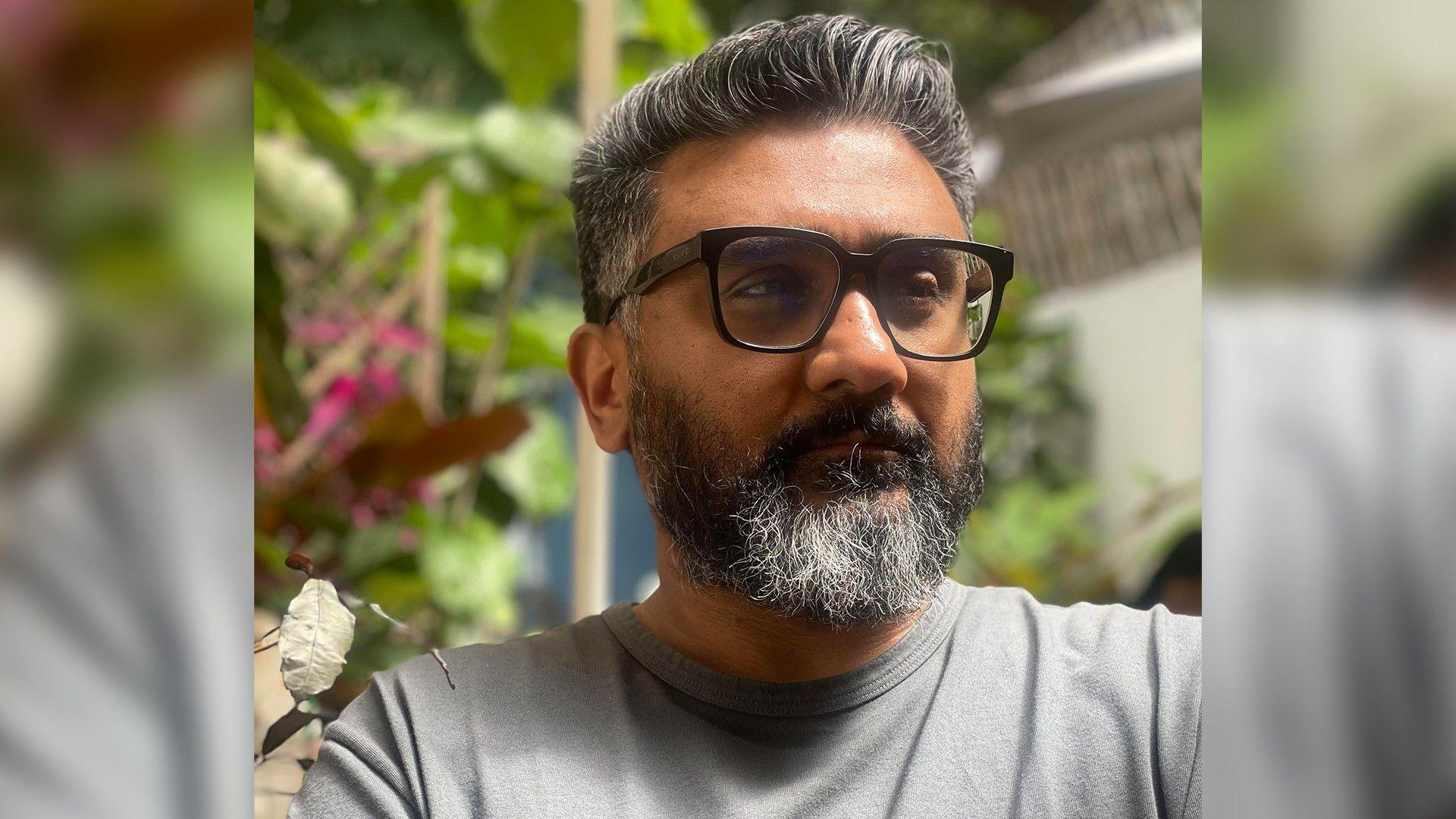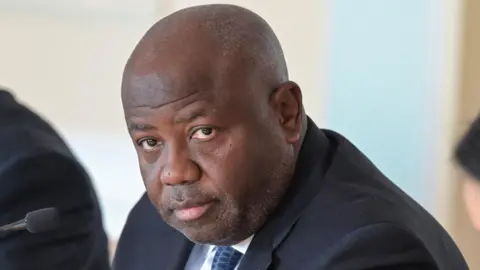
Vanuatu has officially rescinded the citizenship granted to Lalit Modi, the former IPL chairman who is currently wanted by Indian authorities for alleged corruption related to the cricket world. Prime Minister Jotham Napat stated that possessing a Vanuatu passport is a privilege that should not be used to escape legal responsibilities, after it became apparent Modi's motivation for citizenship was linked to his fugitive status.
The news follows India's confirmation of Modi's citizenship, which raised concerns regarding his efforts to avoid extradition from the UK, where he has resided since leaving India in 2010. The Indian government has been pursuing charges against Modi, asserting he was involved in manipulations during the 2010 IPL team auction and mismanaged broadcasting rights. Despite his claims that no legal proceedings are underway against him in India, Modi's ties to Vanuatu have been scrutinized following the cancellation of his citizenship, a decision influenced by recent revelations regarding his background checks and Interpol's response to India’s extradition requests.
The prime minister's statement emphasized that “legitimate reasons” must underpin any application for citizenship, asserting that trying to avoid legal consequences does not fit that criterion. This cancellation is particularly advantageous for Indian law enforcement as Vanuatu lacks an extradition treaty with India, which would complicate any efforts to return Modi to face justice.
In the realm of sports management, Modi's legacy is intertwined with the founding of the IPL, which revolutionized cricket into a lucrative global enterprise. Yet, his alleged financial misconduct led to a life ban from cricket activities imposed by the BCCI in 2013, leaving a tarnished reputation amid the glamour of Indian cricket. As the situation unfolds, it continues to captivate not only the cricketing community but also the general public's interest surrounding the intersection of sports, legality, and international jurisdiction.