In brief
The fourth Trans‑Himalayan Communication and Social Development Conference began Sunday at the University of Dhaka with more than 100 participants. Organized jointly by Chinese and Bangladeshi institutions, the three‑day event covers digital intelligence, regional development and media cooperation, with talks, exhibitions and a study tour in Bangladesh. The conference is scheduled to conclude on November 11, though its long‑term impact remains to be seen.
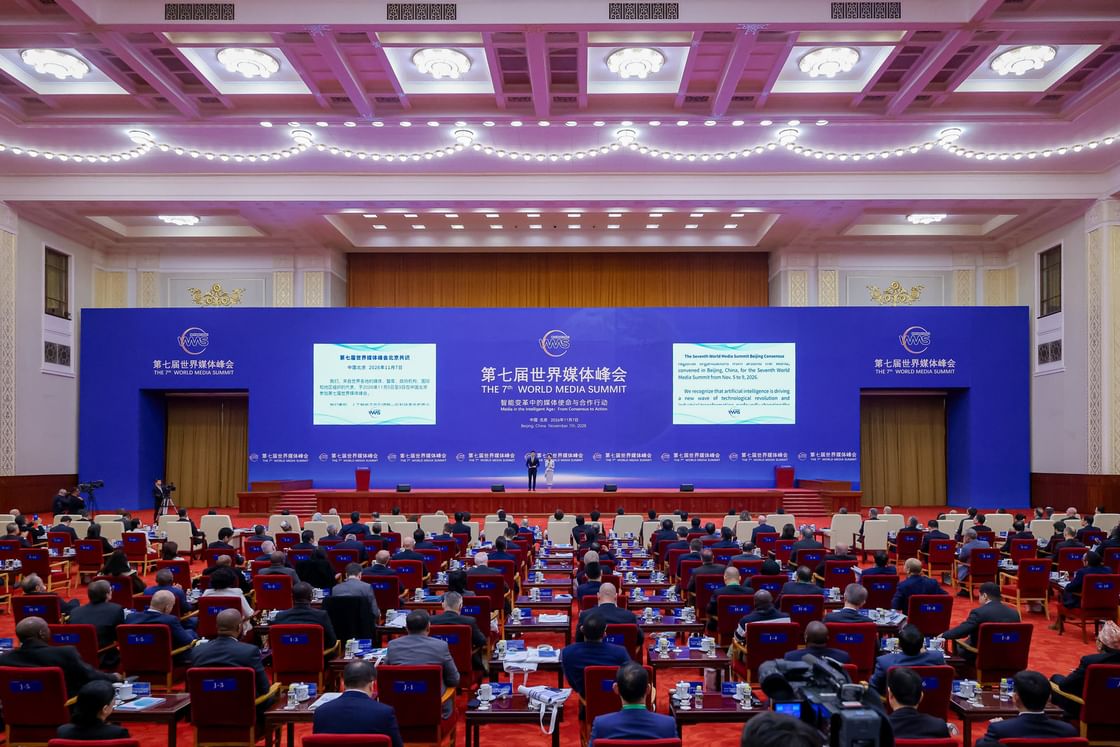
The fourth Trans‑Himalayan Communication and Social Development Conference opened on Sunday, November 8 at the University of Dhaka, in Bangladesh, drawing more than 100 experts, scholars, media professionals and young researchers from the region. The gathering was co‑organised by China’s University of Electronic Science and Technology, the University of Dhaka, Kangba TV and Himalaya Television, indicating a broad partnership between academia and media entities.
Participants in the three‑day event, which is slated to run until November 11, focused on topics that blend technological advancement with regional development governance. The conference examined the role of digital intelligence in shaping communication practices across the Trans‑Himalayan corridor and assessed how artificial intelligence could support sustainable development. Discussions also touched on misinformation, cross‑border communication, climate governance and the responsibilities of media outlets in fostering mutual trust among neighbouring nations.
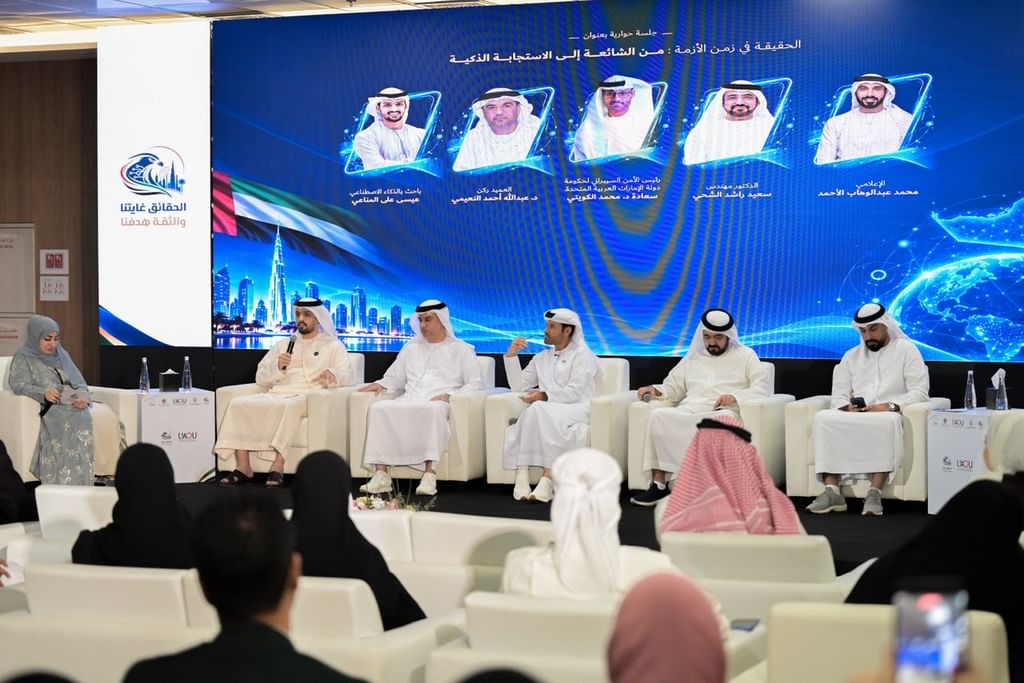
An integral part of the program was a media forum that convened representatives from several countries to exchange views on media credibility, responsibility and cooperation. The forum highlighted the need for a unified framework that would enable reliable information sharing and strengthen people‑to‑people exchanges in the region.
Beyond the main sessions, the conference hosted a photo and video exhibition and a book exhibition that showcased regional stories and scholarly works. Participants also embarked on a media industry study tour across Bangladesh, allowing them to observe local media practices and infrastructure in the context of digital transformation.
Conference Highlights
Over 100 participants from countries within the Trans‑Himalayan region congregated to discuss how digital tools can enhance regional communication. The event’s emphasis on digital intelligence underscores a growing recognition of technology’s role in shaping social development pathways. Additionally, the focus on climate governance reflected an emerging consensus that environmental stewardship and media collaboration can create shared resilience strategies.
Key thematic areas included regional development strategies, the ethical deployment of artificial intelligence, methods for combating misinformation, and frameworks for cross‑border media cooperation. Scholars presented case studies on how digital platforms have bridged information gaps in remote mountainous communities, while broadcasters shared experiences on maintaining editorial integrity in a high‑stakes political environment.
The conference also provided a platform for young researchers to present their work, with several papers scrutinising the intersections of media trust and regional integration. By collaborating with local media firms and broadcasters, the organisers aimed to cultivate a dialogue that could translate academic insights into actionable policy recommendations.
Finally, the media industry study tour in Bangladesh allowed participants to visit a range of media outlets, from public broadcasting stations to private radio stations. This tour offered insights into the operational challenges and opportunities of operating in a developing media market that is increasingly supplemented by digital content delivery.
While the conference has outlined a robust agenda and brought together a wide array of voices, the long‑term outcomes of the discussions and the tangible impact on regional media cooperation and development policies remain undefined. It is also unclear how the initiatives advocated during the event will be institutionalised within participating countries.