In brief
As Los Angeles gears up for the 2028 Olympics, the city is facing a pivotal moment in its relationship with cycling and car culture, sparking debates among residents about the future.
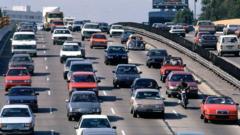
With its sprawling highways and infamous traffic, Los Angeles has become a symbol of American car culture. However, as the city prepares for major sporting events, including the 2026 World Cup and the 2028 Olympic Games, there's a growing push to rethink transportation. Advocates for cycling are emphasizing the city's year-round sunshine as a catalyst for a bike-friendly environment. Damian Kevitt, executive director of Streets Are For Everyone (Safe), believes the cultural shift is crucial for LA, stating, “This is long overdue.”Historically, cars dominated LA roads, with only about 7% of Angelenos using public transportation, and a mere 1% biking to work. Yet, the city's "Twenty-eight by '28" transport plan aims to significantly extend bike lanes and improve mass transit as the Olympics approach. The initiative has gained voter support, with Angelenos indicating a desire for pedestrian-friendly spaces. Nevertheless, resistance remains, with some residents like Darin Drabing voicing frustrations that bike lanes worsen traffic congestion.Globally, cities with successful bike lane implementations, such as Paris and London, show promising results, yet not all efforts have thrived. For instance, Los Angeles County has seen pushback against new lanes due to commuter traffic complaints. Nevertheless, those like Mimi Holt, a reformed cyclist, express optimism about the potential for safer cycling routes, albeit with a desire for better connectivity.LA Mayor Karen Bass is facilitating a “transit first” vision for the Olympics, even amidst national funding challenges. Securing $900 million for rail initiatives, she and local leaders are seeking additional federal support to transform the city's transportation infrastructure. Despite skepticism about a car-free Olympic Games, Mayor Bass believes change is achievable and lasting: “As a bike rider, I certainly hope so.” As LA stands at this crossroads, the question remains—can a city deeply rooted in car culture truly reshape its identity into a more bicycle-friendly metropolis?