The Pentagon's assessment indicates that the US airstrikes on three critical Iranian nuclear sites—Fordo, Natanz, and Isfahan—did not achieve their intended goal of neutralizing Iran's nuclear program. Despite the claim from President Donald Trump that the attacks "completely and totally obliterated" Iran's enrichment facilities, intelligence sources revealed that significant portions of the nuclear infrastructure remain intact.
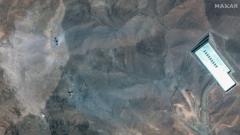
Satellite images show substantial craters at the Fordo site following the strikes, but the Defense Intelligence Agency's evaluation finds that the core components of Iran's centrifuges were largely undamaged, limiting the assaults' overall impact to above-ground structures. Furthermore, some of Iran's enriched uranium stockpile had reportedly been relocated just before the strikes, undermining the effectiveness of the US actions.
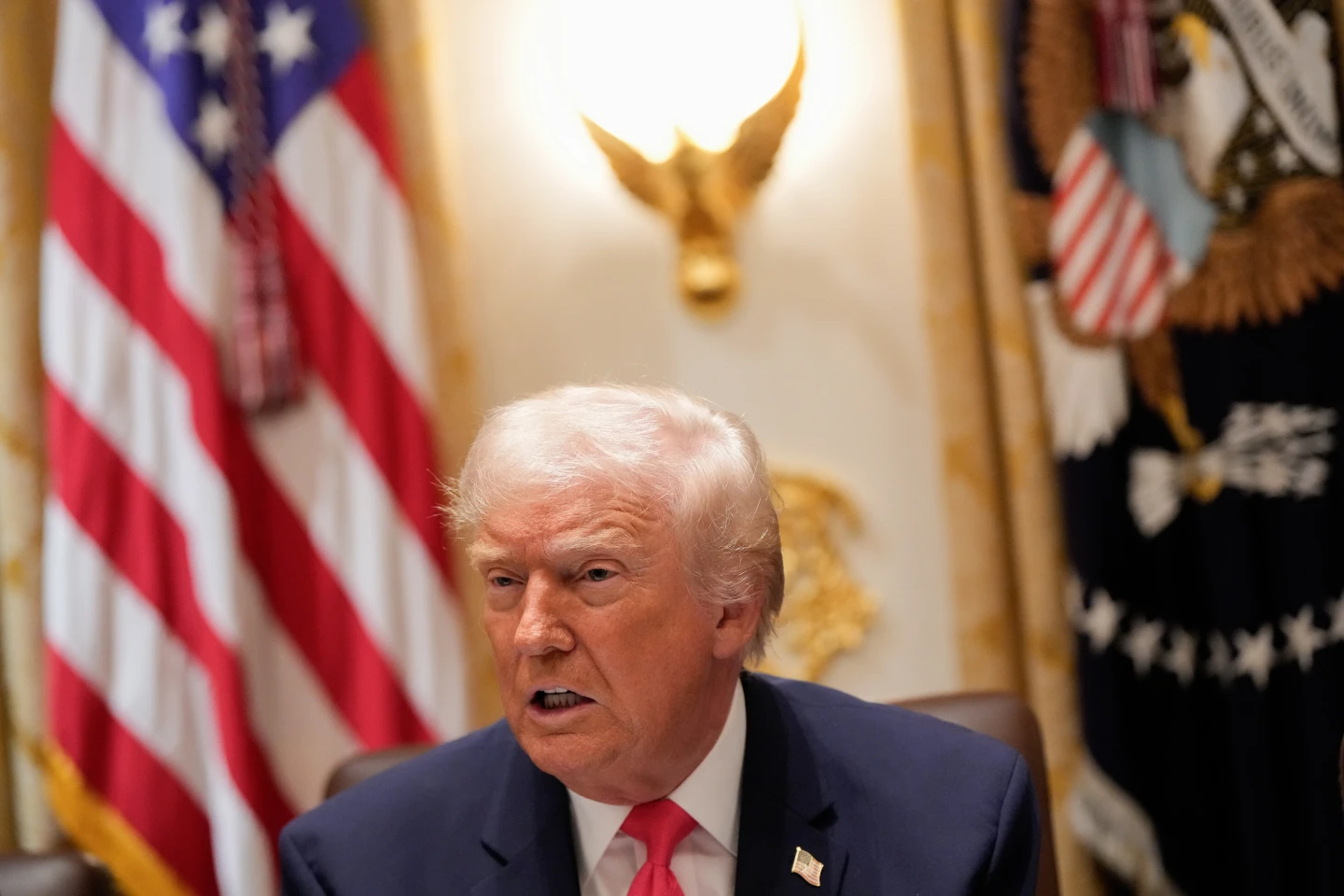
While President Trump and the White House have contested the Pentagon's damage assessment, labeling it as a deliberate "attempt to demean" the administration, sources suggest that the primary consequence of the military intervention will be a delay of only a few months in Iran's nuclear efforts. The extent of this delay will heavily depend on the timeframe necessary for Iran to reconstruct its impacted facilities and operations.
As the debate around the effectiveness of the strikes continues, questions remain about the future trajectory of Iran's nuclear ambitions and the potential for further military or diplomatic actions in the region.
Satellite images show substantial craters at the Fordo site following the strikes, but the Defense Intelligence Agency's evaluation finds that the core components of Iran's centrifuges were largely undamaged, limiting the assaults' overall impact to above-ground structures. Furthermore, some of Iran's enriched uranium stockpile had reportedly been relocated just before the strikes, undermining the effectiveness of the US actions.
While President Trump and the White House have contested the Pentagon's damage assessment, labeling it as a deliberate "attempt to demean" the administration, sources suggest that the primary consequence of the military intervention will be a delay of only a few months in Iran's nuclear efforts. The extent of this delay will heavily depend on the timeframe necessary for Iran to reconstruct its impacted facilities and operations.
As the debate around the effectiveness of the strikes continues, questions remain about the future trajectory of Iran's nuclear ambitions and the potential for further military or diplomatic actions in the region.