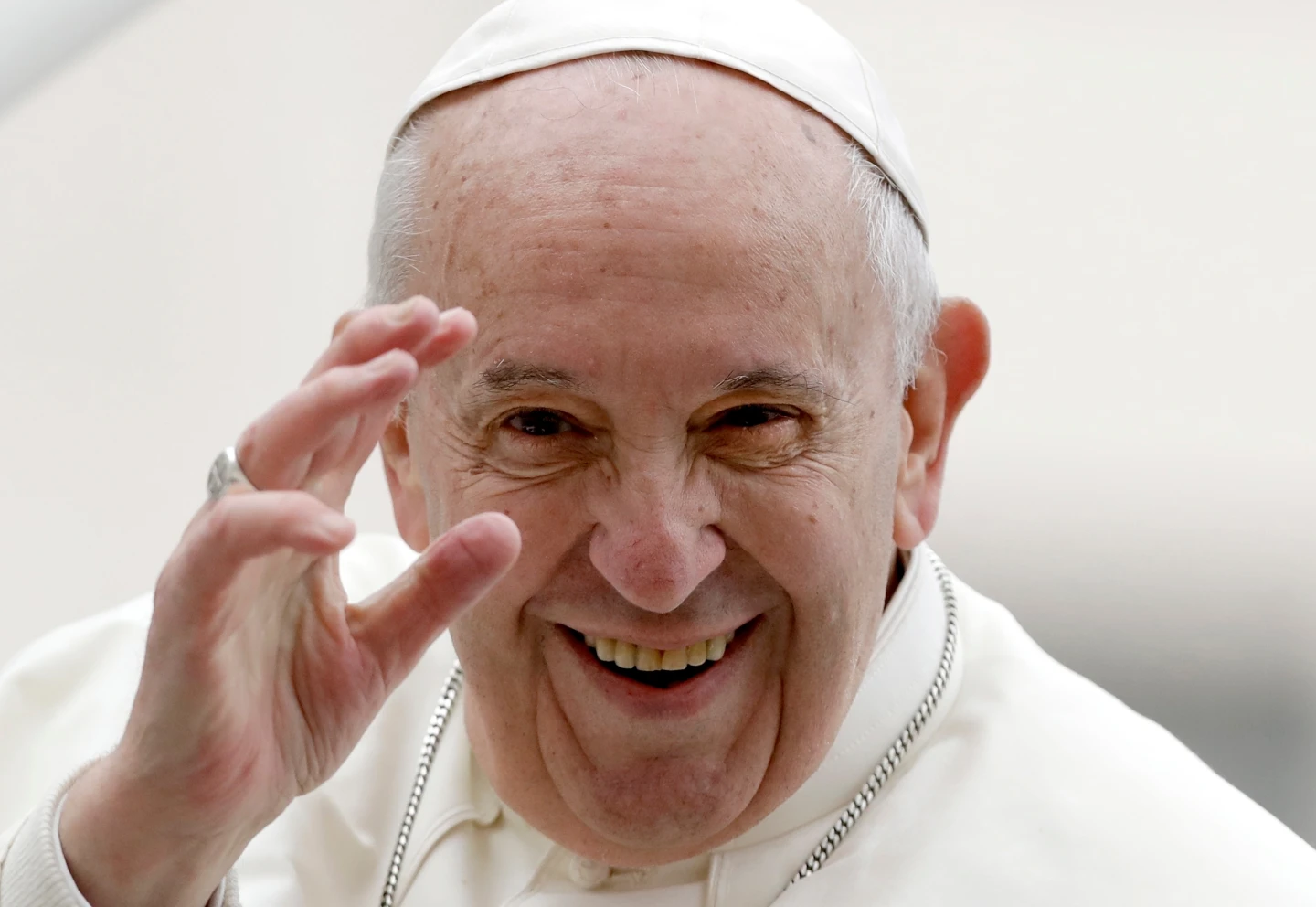
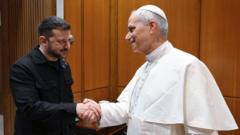
When Jorge Mario Bergoglio, known as Pope Francis, was elected as the 266th pontiff of the Roman Catholic Church in March 2013, he made history as the first South American to occupy the highest office in the Church. His election marked a significant turning point, as he also became the first non-European pope in over 1,200 years and the first from the Jesuit order.
At the age of 76, Bergoglio's selection signaled a pivotal move by the cardinals, emphasizing a growing acknowledgment of the Catholic Church's centrality in the global south, where the majority of the world's Catholics reside. Hailing from a family of Italian immigrants and having spent most of his life in Buenos Aires, Francis was well-regarded for his humility and advocacy for impoverished communities.
Upon taking office, he faced immediate and formidable challenges: addressing a shortage of priests, countering the rise of evangelical movements in the Southern Hemisphere, tackling the church's sexual abuse scandals that had severely compromised its moral standing in the West, and managing the complexities of Vatican governance.
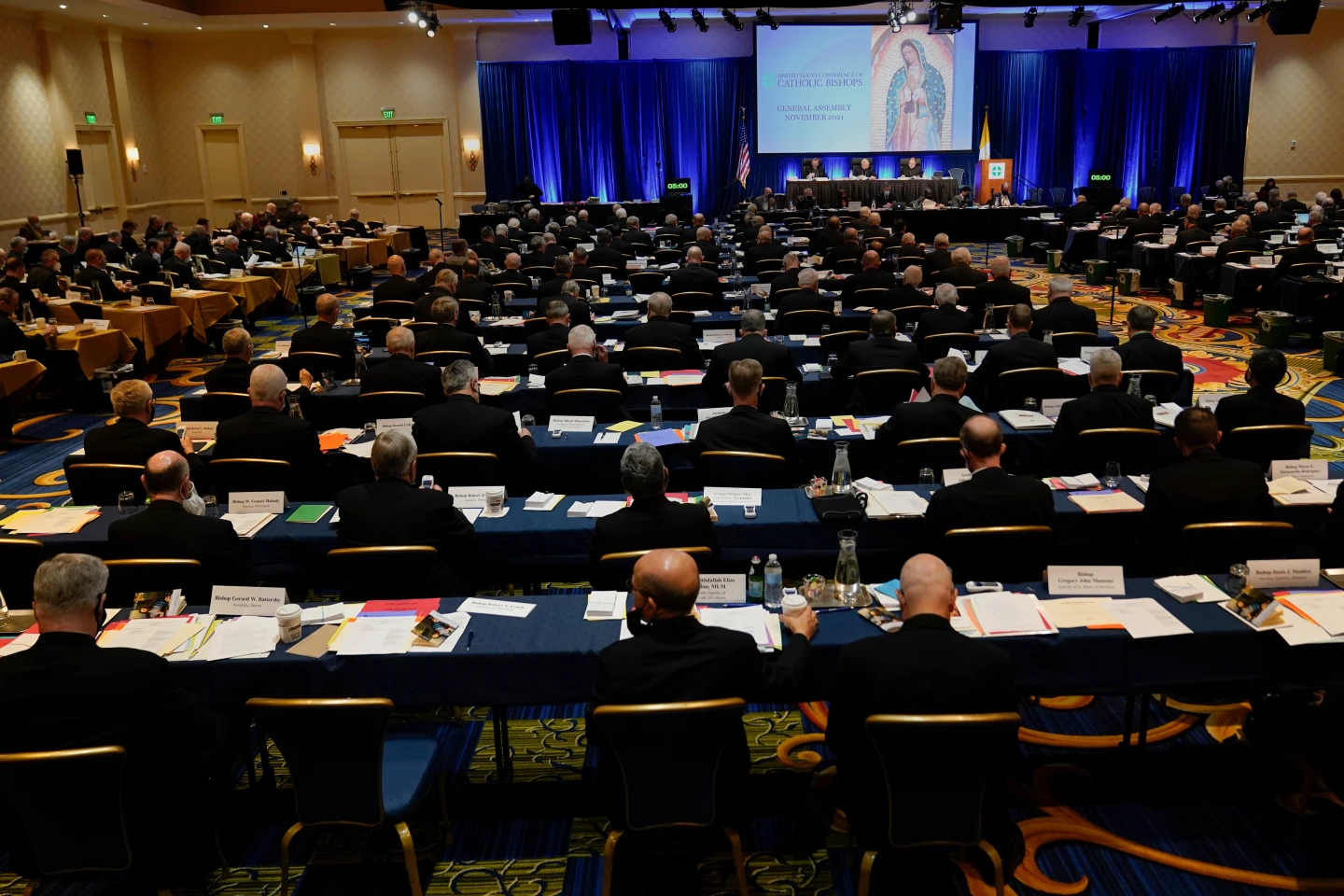
The conclave leading to his election involved extensive deliberation among cardinals regarding the pressing issues confronting the Church and their vision for its future leader. "The pope’s election is something substantially different from a political election," remarked Cardinal Christoph Schönborn of Vienna at the time. He emphasized that the role defines the pope not as a corporate executive but as a spiritual guide for a diverse community of believers.
As we reflect on this momentous event a decade later, the implications of Pope Francis' leadership continue to resonate throughout the Catholic Church and the broader world.