In brief
Following the assassination of conservative activist Charlie Kirk, his supporters, including high-profile political figures, described him as a martyr igniting a possible revival among Christian conservatives. There have been reports of increased church attendance, especially among the youth. However, experts caution that historical precedents suggest such spikes may not lead to lasting change. While some churches are witnessing higher attendance, the broader implications for religious engagement in America remain uncertain.
In the wake of Vice President JD Vance's tribute to Charlie Kirk as 'a martyr for Christianity', and with calls from a Catholic cardinal to recognize him as 'a modern-day St. Paul', many admirers believe his tragic death will galvanize a new wave of engagement among young conservatives in both evangelical and Catholic churches.
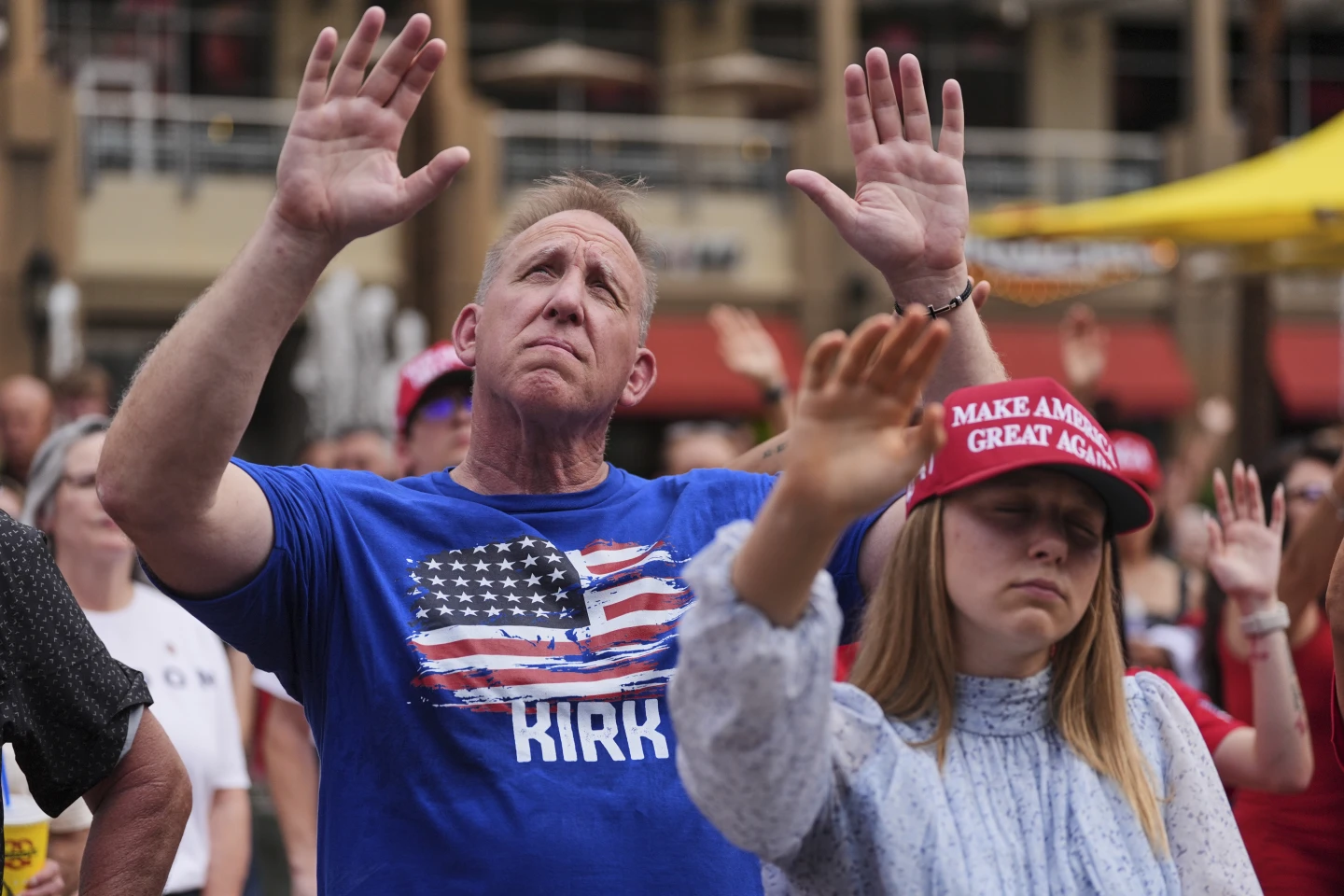
The resonance of Kirk's religious message was evident during his memorial service on September 10, which drew comparisons to a grand megachurch gathering, with reports indicating a significant uptick in attendance at evangelical congregations following his assassination.
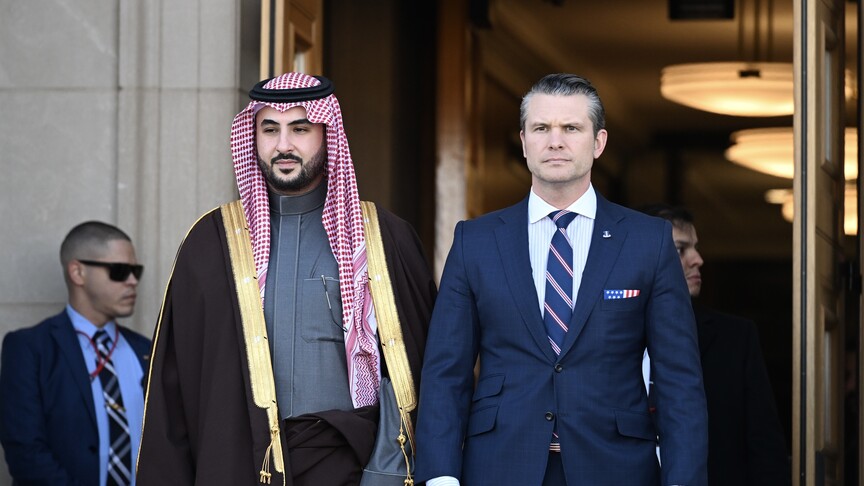
Defense Secretary Pete Hegseth remarked during the service, 'Charlie had big plans, but God had even bigger plans.' This sentiment was echoed by Rev. Robert Jeffress, who claimed the emotional response to Kirk's murder was unprecedented, likening it to national tragedies such as 9/11 and the assassination of President Kennedy.
Evaluating the Potential for Revival
While the narratives emerging from Kirk's death suggest a potential spiritual revival, political scientist Ryan Burge notes that history shows civic traumas often do not result in sustained religious engagement. Past events, like the aftermath of the 9/11 attacks, caused only temporary spikes in church attendance.
'A 5% increase in church attendance in a country of 340 million would mean approximately 17 million more attendees weekly,' Burge stated, emphasizing that real change would require significant behavioral shifts among Americans.
Church Participation on the Rise?
Despite the skepticism surrounding long-term change, certain congregations report an increase in participation. Gina Gleason from Calvary Chapel Chino Hills noted a return of congregants in the wake of Kirk's death, particularly among the youth who resonated with his messaging.
Similarly, Mark Francey, a pastor from Oceans Church in California, observed an '9/11-type effect' with attendance jumps of up to 30% following the tragedy.
The Voice of the Community
The impact of Kirk's death resonated across social media, particularly through 'The Charlie Kirk Show', where testimonials revealed individuals returning to church after years away. Many expressed a desire to strengthen their family connections in honor of Kirk's legacy.
Pastoral Perspectives
The rise in church attendance has also been recorded by organizations like Communio, which noted increased participation in various states. J.P. De Gance highlighted the importance of churches fostering connections with returning attendees, viewing this response as perhaps a movement of the Holy Spirit.
A Mixed Response from the Religious Community
While Kirk's influence is recognized by many across denominations, contrasting views exist. Criticism arose from some Catholic perspectives, emphasizing the divisive nature of Kirk's rhetoric, leading to a nuanced discussion about the potential for a transformation in American Christianity that may lean more conservative.
As the dialogue continues, figures like Pastor Frederick Brown express caution about the staying power of any revival, suggesting a potential shift in the youth’s relationship with the evangelical church as a response to current cultural dynamics.