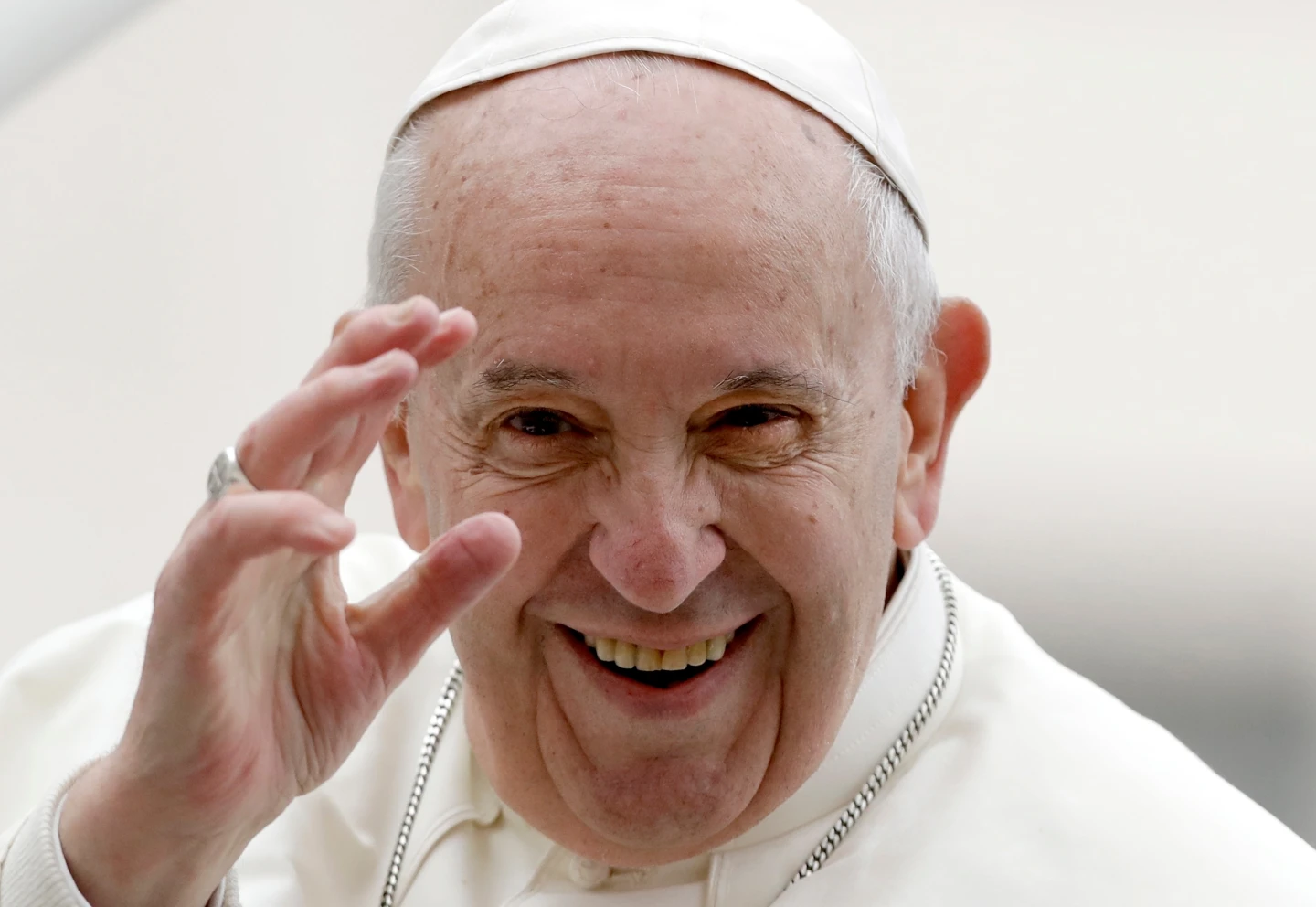
Robert Francis Prevost has become the first American pope in history, now taking the name Leo XIV after a remarkable conclave that spanned just over 24 hours. His election marks a significant moment for the 1.4 billion members of the Roman Catholic Church around the globe. As the crowd gathered in St. Peter's Square, the atmosphere was one of anticipation that turned into joy as white smoke billowed from the chimney of the Sistine Chapel, signaling the announcement of a new leader.
Pope Leo XIV, born and raised in Chicago, spent over 20 years serving in Peru, earning him the respect and admiration of numerous parishioners. He has served as a bishop, cardinal, and played a significant role in shaping church policies at the Vatican. When addressing the faithful for the first time, Leo expressed his desire for a united church that pursues peace and justice, emphasizing the power of dialogue.
Amidst ideological divides in the church, Leo's election was perceived as a compromise between various factions, with a commitment to help migrants and those in need being a point of continuity with the previous pope, Francis. Reactions from various corners of the world highlight the excitement and surprise over his selection while invoking a sense of hope for healing within the church.
In his first public appearance, Pope Leo XIV spoke in Italian and Spanish, acknowledging his roots in both the United States and Peru. The warmth of his message resonated with attendees, many of whom hope he will continue the outreach efforts initiated by his predecessor. While some voiced concerns about his previous remarks regarding L.G.B.T.Q. issues, supporters are optimistic about his potential to bridge divides.
His election symbolizes not just a historical milestone for American Catholics, but a pivotal moment for the Catholic Church as it charts a path forward. As the new pope prepares to meet with journalists and leads Mass in the coming days, expectations are high for the direction of his pontificate.