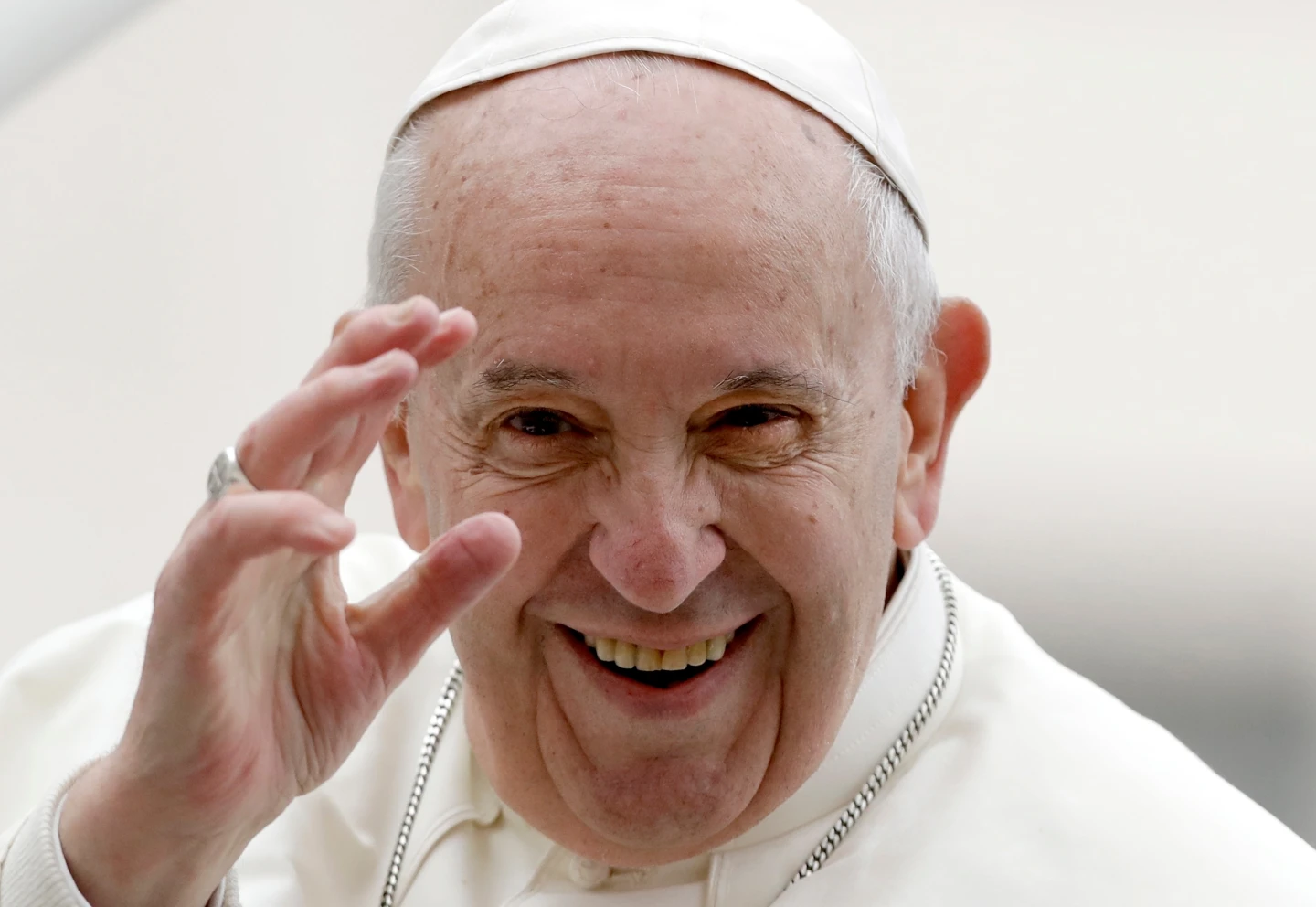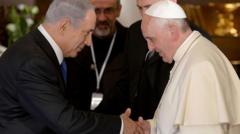
In a notable indication of political strain, Israeli Prime Minister Benjamin Netanyahu's office has issued a tepid offer of condolences following the death of Pope Francis, which occurred four days ago. An earlier expression of sympathy shared via the official Israel account on social media was quickly deleted, stirring debate and controversy within Israeli society.
Israel's delegation to the Pope’s funeral is markedly low-profile, comprising only the country’s ambassador to the Vatican, Yaron Sideman, while world leaders, including prominent figures like U.S. President Donald Trump, will partake in the ceremony. This deliberate choice has raised eyebrows and is perceived widely as a reflection of the Israeli government's discontent with the Pope’s recent comments regarding the Gaza war.
The Israeli Prime Minister's office ultimately released a brief two-sentence statement conveying condolences, reading, “The State of Israel expresses its deepest condolences to the Catholic Church and the Catholic community worldwide at the passing of Pope Francis. May he rest in peace.” This response contrasted sharply with a warmer initial message posted and later erased, which featured an image of the Pope at Jerusalem’s Western Wall and ended with, “May his memory be a blessing.”
Reports attribute the deletion of the more heartfelt message to an “error,” according to officials at the Foreign Ministry. Among the Israeli diplomatic representatives, Ambassador Sideman has been noted for offering his condolences in person specifically to bridge the diplomatic gap.
While Israeli President Isaac Herzog lauded the Pope's profound faith and compassion in a published tribute shortly after his passing, he has seemingly opted not to attend the funeral, a decision attributed possibly to the event coinciding with Shabbat, the Jewish Sabbath.
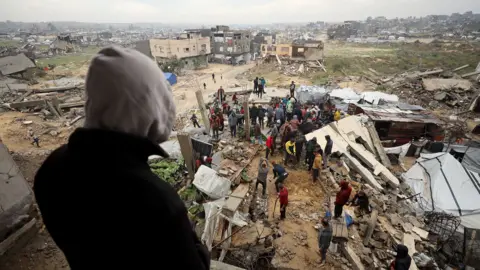
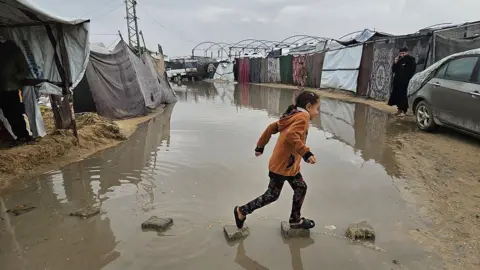
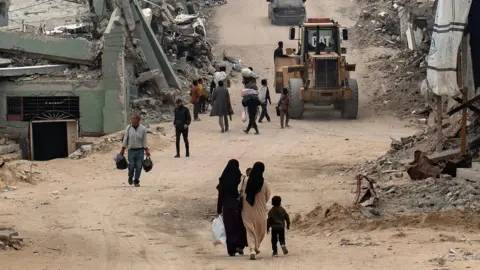
Despite the official condolences, there remains a palpable sense of resentment from the Israeli government regarding Pope Francis’s previously voiced solidarity with Palestinians amid the Gaza conflict. His provocative inquiries into whether Israel’s military actions could be deemed genocide and his criticisms of humanitarian conditions in Gaza have not gone unnoticed. The Pope’s final public address emphasized the suffering of both Palestinians and Israelis, illustrating his commitment to dialogue.
Conversely, the Palestinian Authority has chosen to send Prime Minister Mohammad Mustafa to funeral services, underscoring the respect held for Pope Francis amongst Palestinians. Many regard his compassionate messaging as a beacon of hope during tumultuous times.
Overall, the Israeli government’s underwhelming response to Pope Francis's death and its implications reflect a broader tension stemming from differing narratives surrounding the crisis in Gaza. The absence of senior Israeli leadership at his funeral could serve as a further point of contention in the fraught relationship between the State of Israel and the Vatican.
Israel's delegation to the Pope’s funeral is markedly low-profile, comprising only the country’s ambassador to the Vatican, Yaron Sideman, while world leaders, including prominent figures like U.S. President Donald Trump, will partake in the ceremony. This deliberate choice has raised eyebrows and is perceived widely as a reflection of the Israeli government's discontent with the Pope’s recent comments regarding the Gaza war.
The Israeli Prime Minister's office ultimately released a brief two-sentence statement conveying condolences, reading, “The State of Israel expresses its deepest condolences to the Catholic Church and the Catholic community worldwide at the passing of Pope Francis. May he rest in peace.” This response contrasted sharply with a warmer initial message posted and later erased, which featured an image of the Pope at Jerusalem’s Western Wall and ended with, “May his memory be a blessing.”
Reports attribute the deletion of the more heartfelt message to an “error,” according to officials at the Foreign Ministry. Among the Israeli diplomatic representatives, Ambassador Sideman has been noted for offering his condolences in person specifically to bridge the diplomatic gap.
While Israeli President Isaac Herzog lauded the Pope's profound faith and compassion in a published tribute shortly after his passing, he has seemingly opted not to attend the funeral, a decision attributed possibly to the event coinciding with Shabbat, the Jewish Sabbath.
Despite the official condolences, there remains a palpable sense of resentment from the Israeli government regarding Pope Francis’s previously voiced solidarity with Palestinians amid the Gaza conflict. His provocative inquiries into whether Israel’s military actions could be deemed genocide and his criticisms of humanitarian conditions in Gaza have not gone unnoticed. The Pope’s final public address emphasized the suffering of both Palestinians and Israelis, illustrating his commitment to dialogue.
Conversely, the Palestinian Authority has chosen to send Prime Minister Mohammad Mustafa to funeral services, underscoring the respect held for Pope Francis amongst Palestinians. Many regard his compassionate messaging as a beacon of hope during tumultuous times.
Overall, the Israeli government’s underwhelming response to Pope Francis's death and its implications reflect a broader tension stemming from differing narratives surrounding the crisis in Gaza. The absence of senior Israeli leadership at his funeral could serve as a further point of contention in the fraught relationship between the State of Israel and the Vatican.