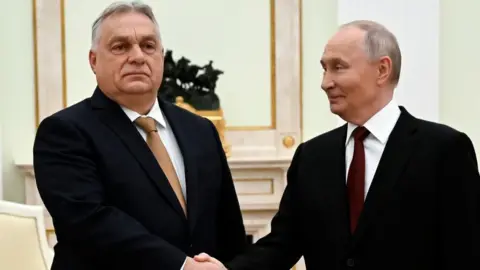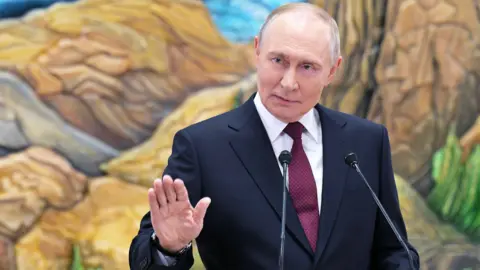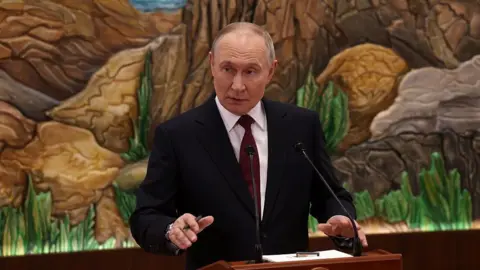
In a recent announcement from the Kremlin, Russian President Vladimir Putin declared a temporary ceasefire in the ongoing conflict in Ukraine. This ceasefire is set to begin on the morning of May 8 and will last until May 11, coinciding with the annual celebrations marking the end of World War Two. The declaration was framed by the Kremlin as a humanitarian gesture, with a statement emphasizing that Russia expects Ukraine to reciprocate this initiative.
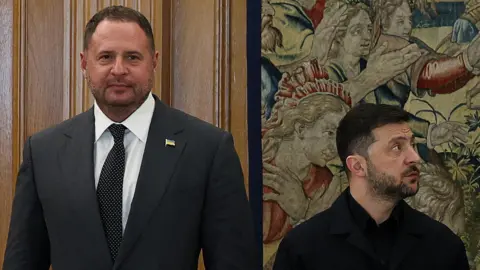
Ukraine's government has yet to respond officially to this ceasefire, prompting speculation on their position regarding the proposed break in hostilities. The statement from Putin issued a warning about potential responses if violations occur, claiming the Armed Forces of the Russian Federation would respond appropriately. Furthermore, the Kremlin reiterated its openness to peace negotiations without preconditions, aiming to address the fundamental issues surrounding the Ukrainian crisis.
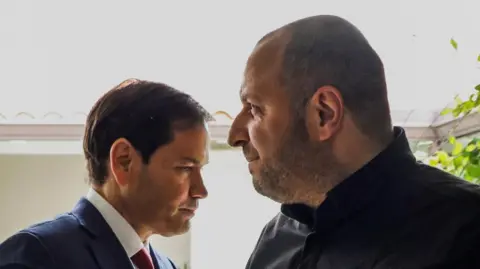
This announcement comes on the heels of previous ceasefire attempts, including a 30-hour truce over Easter, which saw both sides reporting numerous violations. More than 20 ceasefires have been attempted in the conflict, most failing almost immediately after their inception. The current ceasefire is viewed as particularly critical, as the US has been actively engaging in diplomatic efforts to advance peace talks, despite frustrations expressed by Washington towards Russia's ongoing military actions in Ukraine.
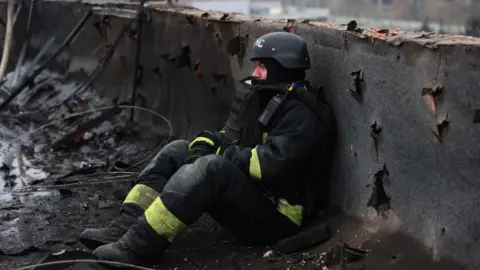
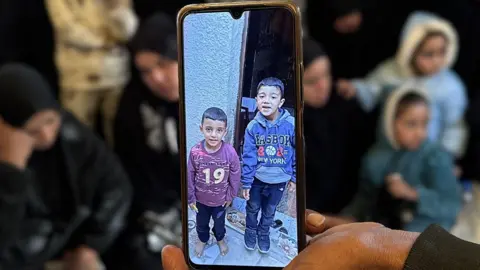
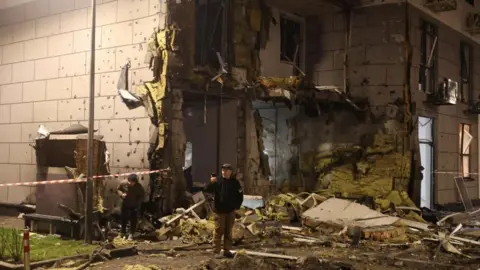
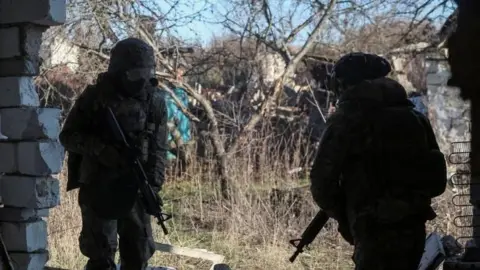
Since the commencement of the full-scale invasion on February 24, 2022, Russia has gained control over approximately 20% of Ukraine's territory, including Crimea, which was annexed in 2014. The conflict has resulted in a staggering number of casualties, predominantly among military personnel, with estimates suggesting that hundreds of thousands have been killed or wounded. With the eyes of the world focused on this new ceasefire, the hope for lasting peace remains tenuous.
Ukraine's government has yet to respond officially to this ceasefire, prompting speculation on their position regarding the proposed break in hostilities. The statement from Putin issued a warning about potential responses if violations occur, claiming the Armed Forces of the Russian Federation would respond appropriately. Furthermore, the Kremlin reiterated its openness to peace negotiations without preconditions, aiming to address the fundamental issues surrounding the Ukrainian crisis.
This announcement comes on the heels of previous ceasefire attempts, including a 30-hour truce over Easter, which saw both sides reporting numerous violations. More than 20 ceasefires have been attempted in the conflict, most failing almost immediately after their inception. The current ceasefire is viewed as particularly critical, as the US has been actively engaging in diplomatic efforts to advance peace talks, despite frustrations expressed by Washington towards Russia's ongoing military actions in Ukraine.
Since the commencement of the full-scale invasion on February 24, 2022, Russia has gained control over approximately 20% of Ukraine's territory, including Crimea, which was annexed in 2014. The conflict has resulted in a staggering number of casualties, predominantly among military personnel, with estimates suggesting that hundreds of thousands have been killed or wounded. With the eyes of the world focused on this new ceasefire, the hope for lasting peace remains tenuous.