
In brief
Latvia’s first‐ever presidency of the UN Security Council will make artificial intelligence the central theme of its November session, with a high‑level debate on conflict resolution in the age of rapid technological change scheduled for Nov. 24. The council will also address ongoing conflicts, the nomination of a Turkish candidate for secretary‑general and will convene a newly formed Informal Expert Group on emerging threats. However, the council will not set global AI governance, a task reserved for the General Assembly. The committee’s focus, its coordination with other presidency tasks, and the pace of regulatory developments remain unresolved.
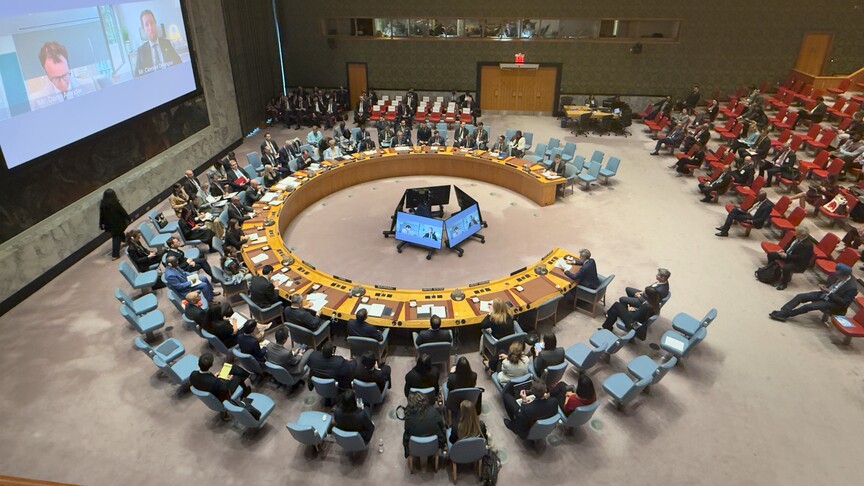
In an unprecedented move, Latvia has taken the rotating presidency of the UN Security Council for November, marking its first term in that role while the country celebrates the 108th anniversary of its independence. On Monday, the Latvian Permanent Representative to the UN, Sanita Pavluta‑Deslandes, announced that the council’s agenda will centre on the peace‑security implications of artificial intelligence (AI) and emerging technologies.
"We believe that the issue of emerging technologies, including artificial intelligence, and their impact on peace and security, is a topic that will stay on the council's agenda," Pavluta‑Deslandes told reporters at UN headquarters. The emphasis is on analytical discussion rather than immediate regulation, as the council clarified that establishing a global AI regulatory framework is a responsibility of the UN General Assembly.
At the core of the Latvian presidency is a high‑level ministerial open debate titled “Conflict resolution in an era of rapid technological change,” scheduled for Nov. 24. Discussions will explore how new tools may affect the protection of civilians, peacekeepers, humanitarian workers, and media personnel, as well as broader conflict prevention and peacebuilding efforts. Representatives from the technology sector and AI companies are expected to brief council members before the debate.
The council will also address current geopolitical tensions, including the Russia‑Ukraine conflict and Middle Eastern hotspots. In addition, it will circulate an official letter from Turkey formally nominating Ambassador Feridun Sinirlioglu for the Secretary‑General position, a move that the envoy confirmed had been duly circulated to both the Security Council and the General Assembly.
Another notable development is the convening of a newly established Informal Expert Group on Emerging Threats and Technological Change, created jointly with Greece and joined by ten council members. The group will hold its inaugural session later in the month to provide the council with expert analyses on the implications of rapid technological developments.
Routine agenda items will remain on the docket, including review of peacekeeping mandates and ongoing judicial elections. The Council’s schedule, inclusive of the AI focus and the Informal Expert Group, appears on the Security Council Report’s Monthly Forecast for November 2026.
While the council signals a clear shift towards technology‑centric security discussions, several uncertainties remain. The extent to which the AI focus will alter existing peacekeeping or conflict‑resolution protocols, the impact of the Informal Expert Group’s preliminary findings, and the timeline for Turkey’s candidate to secure broader support in the General Assembly are all unresolved. The council has not yet provided a detailed roadmap for how AI‑related insights will translate into concrete policy or enforcement mechanisms.


