
In brief
Russian Foreign Minister Sergey Lavrov said he had a “not bad, though brief” conversation with U.S. Secretary of State Marco Rubio in Atlanta, where they discussed maintaining dialogue, multilateral cooperation and the contentious diesel fuel deal. Rubio urged G20 members to focus on economic cooperation, citing trade, fiscal policy and energy. Lavrov criticized continued U.S. military aid to Ukraine and highlighted the need to avoid confrontation. Both leaders acknowledged uncertainties surrounding the fate of the diesel deal, sanction policies and the translation of G20 discussions into final documents.
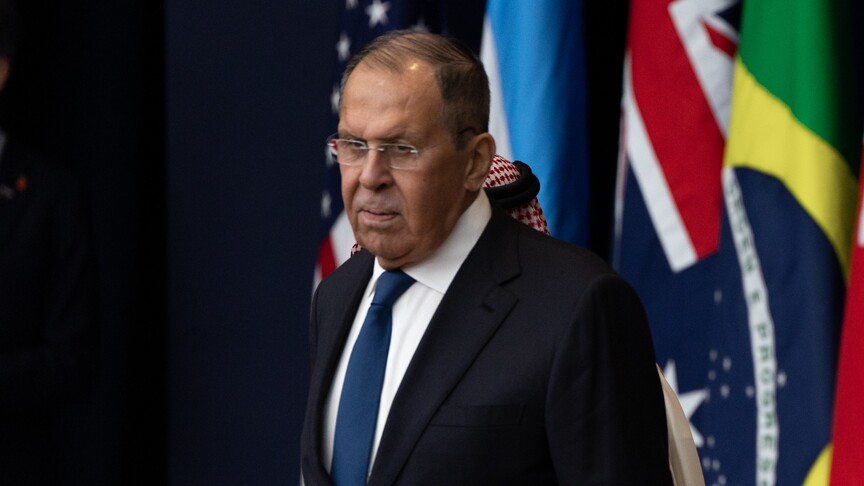
On Friday, Russian Foreign Minister Sergey Lavrov announced that he had a brief but constructive conversation with U.S. Secretary of State Marco Rubio on the sidelines of the G20 Foreign Ministers’ Meeting in Atlanta. Lavrov said that the talks covered “relations and cooperation in multilateral forums, including the UN, the G20 and the Asia‑Pacific Economic Cooperation (APEC)” and highlighted Washington’s willingness to keep dialogue open.
Lavrov welcomed what he described as Washington’s readiness to maintain discussion and urged that Russia and the United States pursue projects where interests overlap. He defended a diesel‑fuel sale that Russia has allowed to the U.S., saying the nation had no restrictions on selling its energy resources and that the deal should be seen as a positive point, though he conceded it remains “under criticism in the US Congress.” Lavrov cautioned that the diesel sale “does not constitute a breakthrough in relations,” and that U.S. sanctions against Russia are still active.
Lavrov also criticized “the continued US military assistance to Ukraine and intelligence sharing with Kyiv,” adding that “there is no real progress in practice.” He said that Moscow would prefer to keep disagreements from escalating into confrontation.
Lavrov: “Therefore, we do not see any real progress in practice.”
Meanwhile, Rubio used the G20 platform to rally members around economic collaboration. He stressed that the group should “strengthen economic cooperation and work together on practical solutions to shared challenges.” Rubio emphasized trade, fiscal and monetary policy, emerging technologies and energy as key areas for the G20 to prioritize. He praised Poland’s participation and hailed the U.S. G20 presidency as a chance to “focus on its core economic mission.”
Rubio: “Our interests may not always align, but we should always seek to work together to advance them when and where they do align.”
As the two diplomats discussed their respective views, they also referred to broader G20 agenda items. Lavrov said Moscow supported the U.S. presidency’s efforts to “depoliticize G20 discussions” and focus on the group’s agreed agenda, which included how geopolitics impact the economy, energy, food security and supply chains. He praised Washington for allowing open discussion, though it was “unclear how much of the discussions would be reflected in the final documents.”
Context of the Gos 20 Meeting
The G20 Foreign Ministers’ Meeting in Atlanta brings together top diplomats from the world’s leading economies to tackle global economic challenges, geopolitical tensions, energy security, and supply‑chain resilience. It precedes the G20 Leaders’ Summit on December 14–15 in Miami, Florida, which will be hosted by President Donald Trump.
These discussions also intersect with other related diplomatic exchanges. For example, Japanese Foreign Minister Toshimitsu Motegi met with Lavrov earlier that day to press Russia to release a detained Japanese journalist, bringing additional diplomatic tension to the side‑lines of the same meeting.
While Lavrov and Rubio both underscored the importance of keeping dialogue open, the precise impact of their brief meeting on bilateral or multilateral policy, the resolution of the diesel fuel deal, or the future of U.S. sanctions remains unanswered.
The uncertainties that remain include whether the U.S. will move forward with the diesel agreement, how the G20’s discussions will be incorporated into binding actions, and how the criticisms of U.S. military aid and intelligence sharing will affect future cooperation between the two states.


